Dramatic decline in insect numbers across Kent, survey finds

 Neil Squires
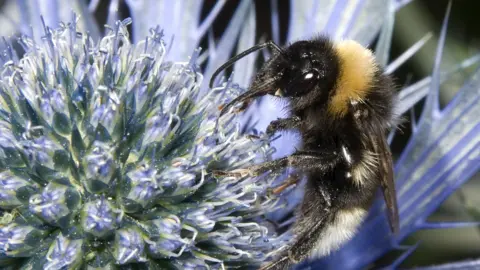
The number of flying insects in Kent has fallen by almost 75% since 2004, new data has found.
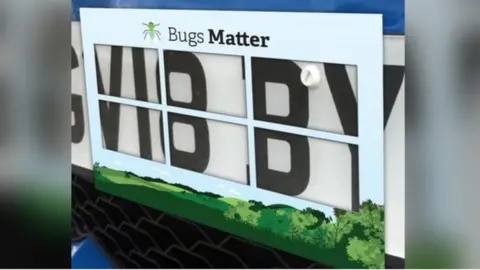
The Bugs Matter project, led by the Kent Wildlife Trust and Buglife, asked people to count the number of squashed insects on their car number plates.
It found a 74% fall in flying insects compared to a similar survey by the RSPB in 2004, using the same methods.
Dr Andrew Whitehouse, from Buglife, described the decline as "potentially catastrophic".
Across Kent, 818 insects were sampled over 556 journeys and a total of 11,855 miles. Campaigners say the results indicate a wider trend of insect decline across the country.
The figures show the decline of flying insects is becoming more serious, after last year's study showed a 71.5% fall in numbers.
 Kent Wildlife Trust
The study relied on anecdotal observations from "citizen scientists".
Dr Whitehouse said: "Urgent action is required to address the loss of the diversity and abundance of insect life."
Dr Lawrence Ball, from Kent Wildlife Trust, said the data was "concerning".
Insect declines are occurring at a higher rate in Kent compared to the rest of the UK - where the national average of bug splats on number plates is 64% over the same time period, according to the data.
Dr Ball added: "We need more citizen scientists to record more journeys across more of our road network every year, to understand the long-term trends in insect numbers in Kent."

Follow BBC South East on Facebook, on Twitter, and on Instagram. Send your story ideas to southeasttoday@bbc.co.uk.
