Real Peaky Blinders' cells on show at new Birmingham museum

 West Midlands Police
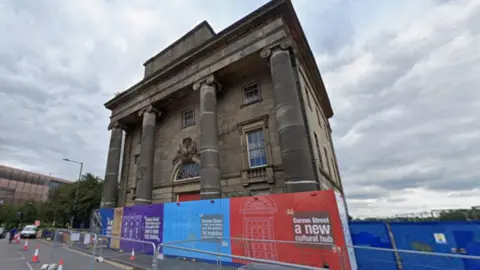
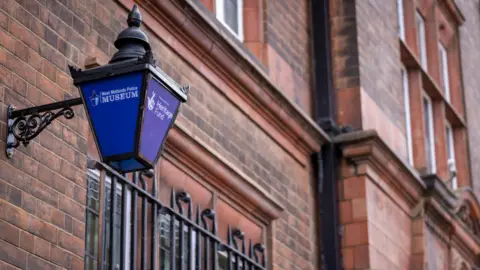
A new police museum - including areas the real Peaky Blinders once occupied - has opened after a project to transform it from a Victorian lock-up.
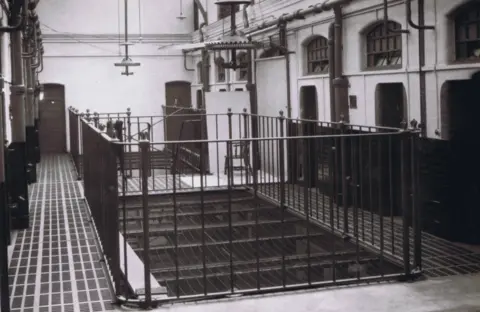
The cells in Steelhouse Lane, Birmingham, housed more than a million prisoners from when it was built in 1891 before they were shut in 2016.
The West Midlands Police Museum includes cells dedicated to the Victorian era and World War Two.
The National Lottery Heritage Fund provided a £1m grant.
The attraction, which covers three floors, features more than 200 years of policing history, including a collection of artefacts.
There are also hands-on activities, so visitors can play the role of detective at a crime scene, examine evidence in a forensics lab, take their own police "mugshot" and dress up in uniform from years gone by.
 West Midlands Police Museum
Many Victorian features, including metal walkways, have been preserved at the museum, which will open six days a week, from Tuesday to Sunday.
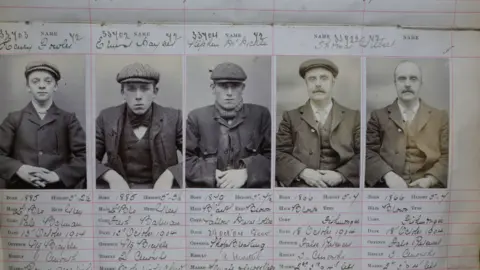
There are cells dedicated to the real Peaky Blinders gang, the Victorian era and World War Two as well as a Tardis-like police box, a life-size police horse and motorbikes.
 West Midlands Police
Chief Constable Sir David Thompson said the museum would give people a chance "to learn more about their local police force today, as well as learning all about its history".
He added: "That is essential for us when we consider the good and bad from our history; from pioneering female, black and Asian officers, to lessons learned when we haven't quite got it right."
Sir David said objects on display were "not just obsolete pieces of kit and collections of old pictures and records".
He stated: "They demonstrate struggles of those who've gone before us and shine a light on the social history of policing."

Follow BBC West Midlands on Facebook, Twitter and Instagram. Send your story ideas to: newsonline.westmidlands@bbc.co.uk