Skinhead to raves: Gavin Watson's 1980s photos to feature in new play

 Gavin Watson
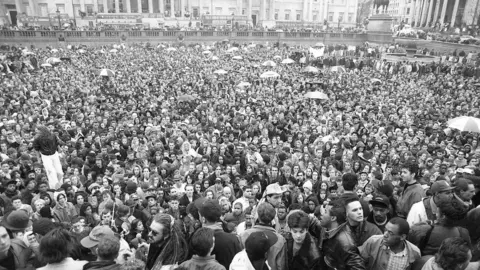
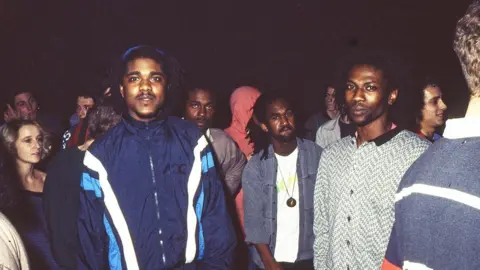
A photographer's pictures of the skinhead and rave scenes in and around his hometown are to form the basis of a new play about British youth tribes.
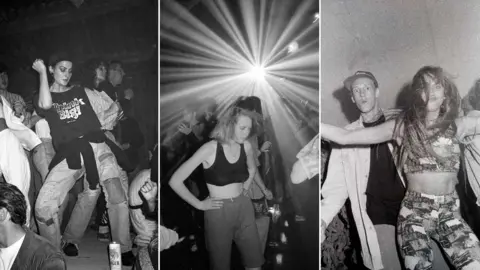
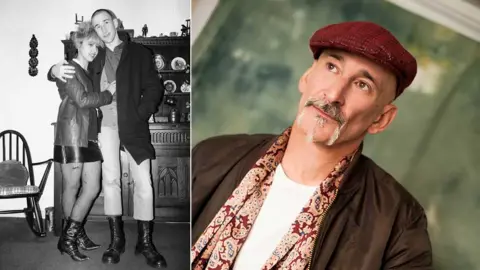
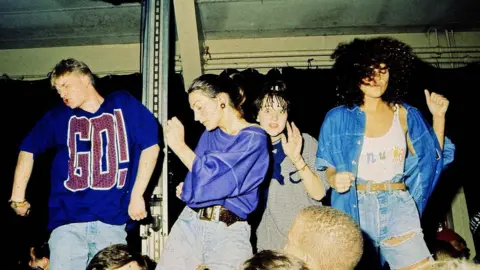
Gavin Watson's images from the 1980s record his own journey from one scene to the other.
"Replacing the skinhead scene with raves opened our minds - the world became a bigger place," said Watson.
Theatre director Harry Burton said the "authenticity" in the photos could translate into a story.
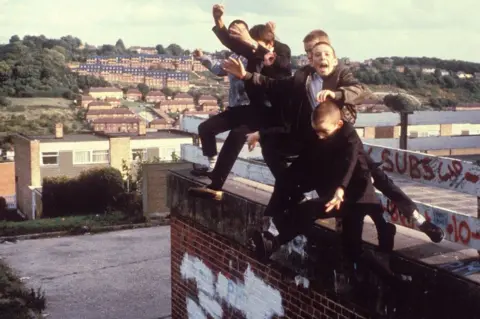
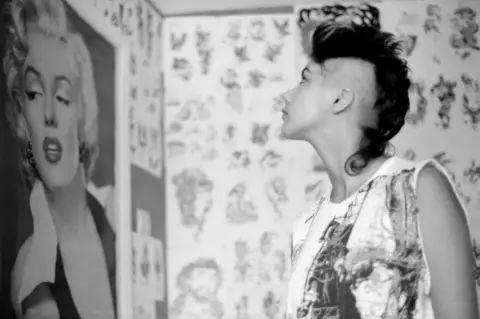
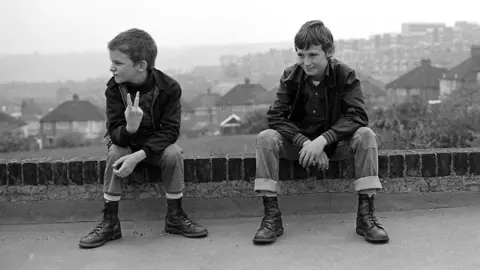
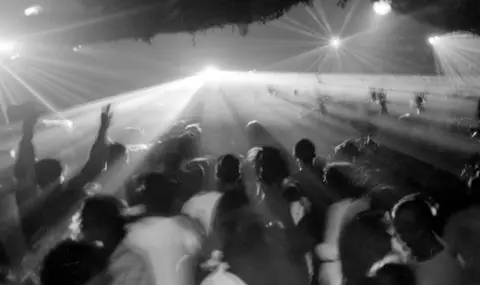
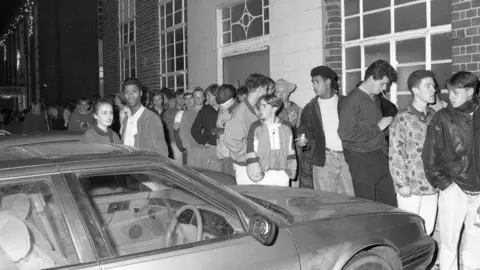
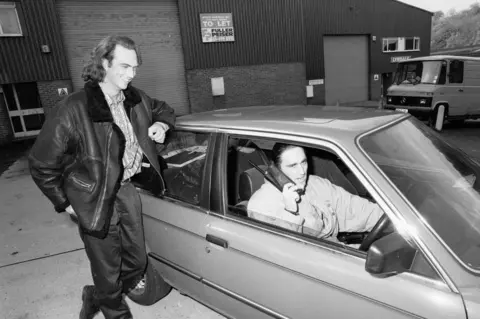
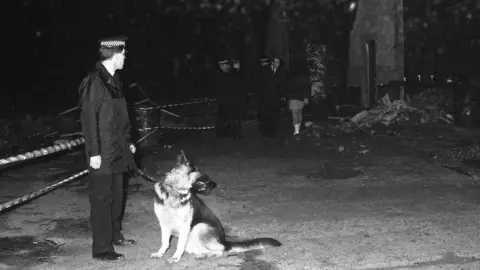
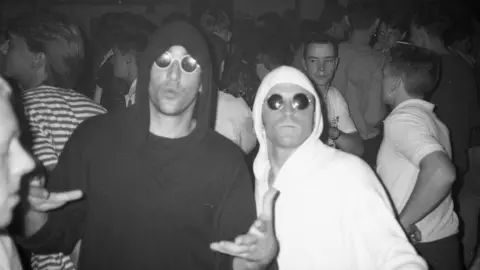
Watson, 54, photographed the skinhead scene in his native High Wycombe, Buckinghamshire, and then moved on to snapping the unlicensed rave scene at the end of the decade.
 Gavin Watson
The photos have been published in books including Skins and Raving '89.
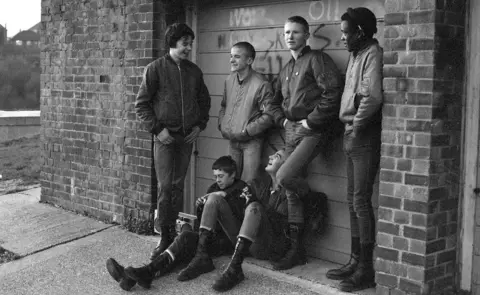
Having been a "skin" for about 10 years, Watson said: "It was always a classic look and I never got bored of it, but it was becoming stale and all about pubs. It was an older scene and wasn't gaining new blood."
 Gavin Watson
Burton, 58, hopes the photographs can be incorporated into the as-yet-unnamed theatre production.
"I was as wary of skinheads as most middle-class kids, but I was always switched on to ska and reggae - music was the link for me," said Burton, probably best known for his Channel 4 documentary Working with Pinter.
"I'm a great admirer of the spirit of Gavin's work and the authenticity - the natural talent that he brought, his eye, the moment, the group, the feeling of family, the unforced nature of it.
"The scene that Gavin photographed was a million miles from the cliché of racist, Nazi skinheads - his gang had black kids in it."
 Gavin Watson
 Gavin Watson/Kayleigh Victoria
 Gavin Watson
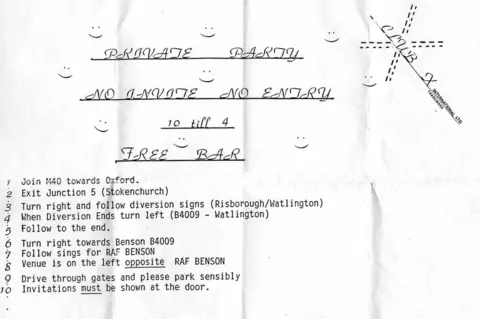
Watson said he was attending raves virtually every weekend in 1989, and he has been using lockdown to put together a new collection, this time mostly in colour, called Raving Too.
You may also like:
"What the rave scene did was wash the gang mentality away: the football tribes, the goths, skins, soul boys etc.," he said.
"I'm in my 50s and a grandfather, so I'm out of it all now, but it seems to me rave was the last big change of any pop cultural significance where something goes mainstream and everyone, not just youngsters, is aware of it.
"I want the play to be more universal and symbolic - I don't want it to be 100% about me. I don't want to watch my mistakes on stage."
Burton said: "We think it's a one-man show and we're trying to create a story that has that mythological quality to it - there's a story to be told about that time that includes music, fashion, politics and rebellion."
 Gavin Watson
 Gavin Watson
 Gavin Watson
 Gavin Watson
 Gavin Watson
 Gavin Watson
 Gavin Watson
 Gavin Watson
 Gavin Watson
Burton, who is staging a webcast talk-through version of Harold Pinter's The Dwarfs on 25 September, said he and Watson had not idea whether their play would be staged before a live audience due to ongoing coronavirus restrictions.
"It's a challenging time to mount a play - maybe we'll do it online," he said.

Find BBC News: East of England on Facebook, Instagram and Twitter. If you have a story suggestion email eastofenglandnews@bbc.co.uk
