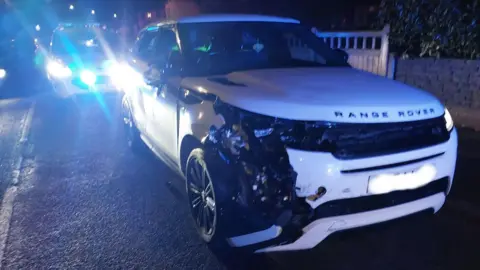
Police fined after officers hurt by petrol bombs

 HSE
HSEA police force has been fined after four serving officers suffered burns when petrol bombs were thrown at them during a riot training exercise.
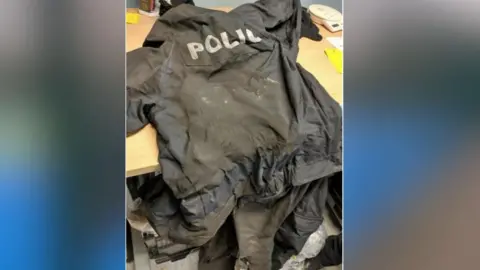
Three of the four injured officers were taken to hospital and were left with "permanent scarring" after the incendiary devices were thrown at a training facility in Rotherham on 2 February 2021.
The Health and Safety Executive (HSE) found the officers had been "exposed to significant and avoidable risks" during the exercise, adding the force failed to plan and risk assess the training.
Derbyshire Police pleaded guilty to a breach of the Health and Safety at Work Act and was fined £60,000 at Sheffield Magistrates' Court on Monday.
'Lasting effect'
The force was also ordered to pay costs of £9,470 at the same hearing.
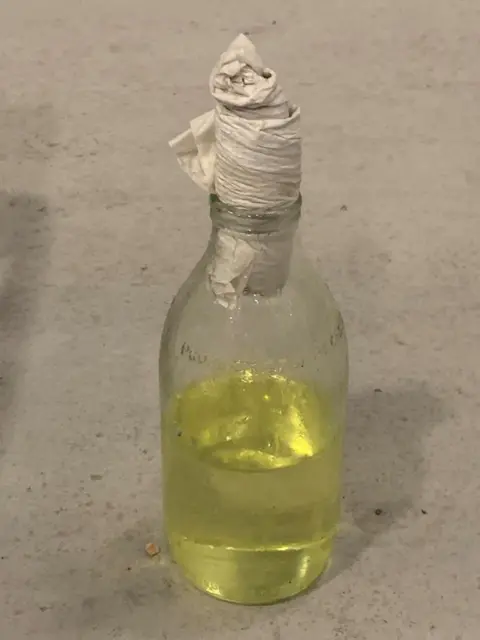
A total of 13 officers - wearing flame-retardant personal protective equipment (PPE) - had been required to face petrol bombs thrown by other officers as part of a training drill intended to replicate a public disorder situation.
All four injured officers have since returned to work, but the incident "resulted in permanent scarring, and psychological harm which will have a lasting effect", the HSE said.
The HSE investigation found Derbyshire Police failed to carry out a suitable and sufficient risk assessment for both the production and deployment of petrol bombs during the training.
It said the other failings by the force included "failing to give officers adequate information on the lifespan, care, and inspection of the flame retardant PPE to ensure it provided adequate protection".
HSE inspector Jennifer Elsegood said: "Being a serving police officer is a job that carries with it levels of risk, however while preparing officers for dangerous situations is important, it must never come at the expense of their safety.
"High-risk training activities must be planned and controlled with the same care and professionalism expected in any other workplace.
"The risks created by the training should have been identified as part of the constabulary's risk assessments and appropriately controlled.
"We hope this case reinforces the importance of thorough risk assessment, robust equipment assurance, and safeguarding those who put themselves forward to protect the public."
 HSE
HSEChief Constable Rachel Swann admitted officers had been put at risk and said it had since worked to reduce dangers in all hazardous training.
This included suspending training until the risk assessments were revised, robustly rewritten and then restored with the "benefit of the new and updated risk assessments".
"During the HSE's inquiries, it was identified that risk assessments that applied to the training were not adequate in terms of the way they structured the handling, transport and delivery of petrol," she said.
"However, it was found that those risk assessments were not linked to the injuries suffered by the officers, which were believed to have occurred because of a failure of the personal protective equipment issued to them.
"Although the investigation acknowledged that the injuries suffered by the officers were not caused by the issues which ultimately resulted in the court case, I want to make it clear that this in no way diminishes my regard for the welfare and safety of those officers.
"We recognise that the risk assessments should have been regularly reviewed and updated and acknowledge that in failing to do so officers were put at risk, and we have apologised to those involved."
Follow BBC Derby on Facebook, on X, or on Instagram. Send your story ideas to [email protected] or via WhatsApp on 0808 100 2210.