Hospital 'developing system' for diabetes retests

 Getty Images
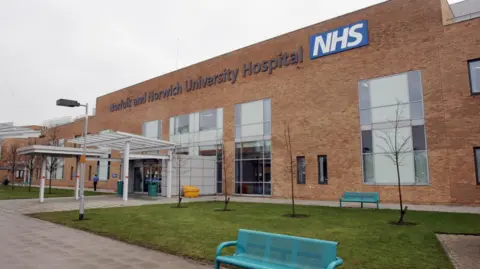
A hospital said it was "developing a system" to call back people for retesting after errors by a machine used to diagnose type 2 diabetes.
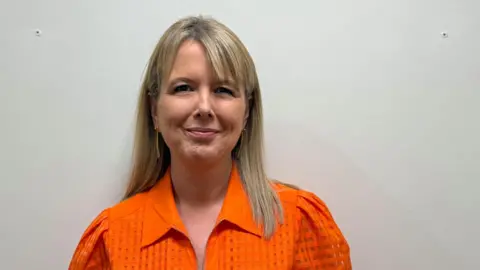
Tracey Bleakley, executive managing director of Norfolk and Norwich University Hospital (NNUH), said investigations were "still ongoing as to the numbers involved" with the Norwich laboratory that carried out the tests.
It came after NHS England confirmed to the BBC that 55,000 patients across England would need further blood tests.
The incorrect diagnoses happened between 10 June 2024 and 25 November 2024, although the hospital said initial investigations showed many patients had since received upgraded routine tests and were "not affected".
 SAM BURTON/BBC
Ms Bleakley said: "Following updated national guidance, we are working closely with our Integrated Care Board (ICB) colleagues to determine the number of GP patients who may have received an incorrect diabetes diagnosis.
"We are now continuing our work with the ICB [health organisation in charge of overseeing GP surgeries] to develop a system to call back those who need to be retested or who need their care plan reviewed."
The issue is separate to a recent IT glitch that affected 22,000 test results.
In November 2024, the Health Service Journal reported that although the NNUH was one of a small number of hospitals affected by the diabetes test issues, it would not be retesting patients as there had been no "clinically significant changes".
But the hospital said that "updated guidance" from NHS England meant that retests may now be required.
It said the equipment, made by Trinity Biotech, was no longer used because of a "routine equipment upgrade".
In a statement, Trinity Biotech said it was working closely with the UK health regulator and had contacted all hospitals that had used the machines.
 JEREMY DURKIN/PA WIRE
The BBC first reported in September 2024 that 11,000 patients faced re-testing after a machine at Luton and Dunstable Hospital issued incorrect diabetes results.
NHS England said type 2 diabetes diagnoses rose by 10,000 in 2024, 4% more than expected.
The procedure, known as the haemoglobin A1C test, measures average blood sugar levels, used to diagnose type 2 diabetes and monitor the condition.
NHS England said anyone who needed a repeat test would be contacted by their GP or local hospital.
It added that for people who may have been wrongly diagnosed as a result of this issue, the risk was low, and they would be given lifestyle advice and offered support programmes first.
Metformin, which may have been mistakenly prescribed for some of these patients, works by lowering blood sugar levels by improving the way the body handles insulin.
If you experience these symptoms whilst taking diabetes medication:
- hypoglycaemia (shaking/trembling, sweating, confusion, loss of consciousness)
- and hyperglycaemia (excessive thirst, blurred vision, recurrent infections)
NHS advice is to seek medical attention immediately.
Follow Norfolk news on BBC Sounds, Facebook, Instagram and X.