Scientists' magnet recycling idea goes commercial

 BBC
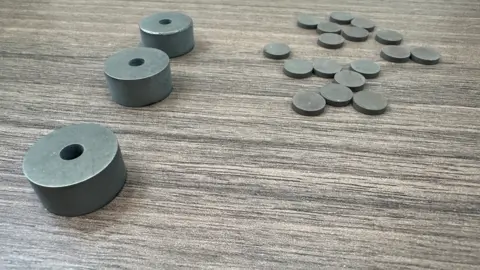
BBCFound in everything from wind turbines and electric cars to MRI machines and mobile phones, rare earth magnets are an essential part of the technology we depend on.
That, plus their value, means there is lots of interest in recycling them when the machine they are part of reaches the end of its life.
The problem is when you crush, shred or shatter a super strong magnet, it just sticks to the metal of the recycling plant.
For more than a decade we have been reporting on a radical idea from the University of Birmingham that makes recycling rare earth magnets a real possibility.
Now that idea has left the laboratory and been developed into a commercial plant at Tyseley, on the outskirts of the city.
Prof Allan Walton, from the university, explained the plant was "the culmination of more than 20 years' work and this facility has been developed by 40 or 50 people".
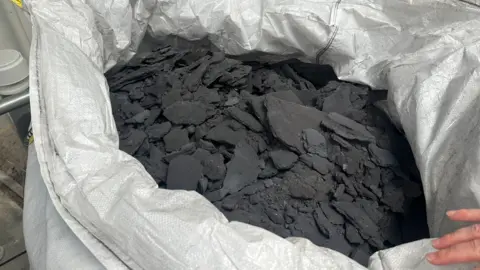
So how do you recycle a magnet that sticks strongly to metal when you try to crush or chop it up?
It turns out you can pass hydrogen over it and the magnet disintegrates into non-magnetic powder.
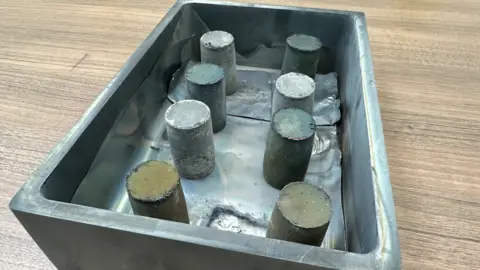
In this new plant it can recover as much as two tonnes of powder from scrap every day.
When we first came across this idea, it was a simple demonstration in a lab inside the university, recycling the magnets from old computer hard drives.
The early equipment filmed by the BBC even used the drum from an old washing machine.
A few years later, we went to see a much larger installation, which took up a two-storey hall, recycling bigger magnets from things like electric cars.
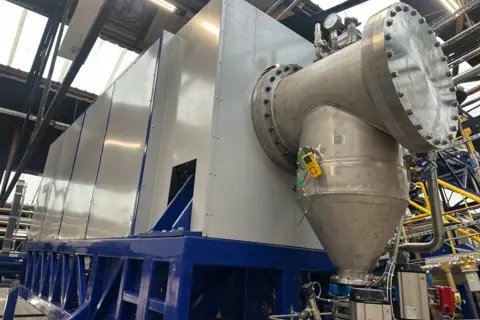
Now, the whole project has grown again to a proper commercial-sized outfit with an opening by Industry Minister Chris McDonald.
Because not only are rare earth magnets important for technology, almost all of them come from China and that dependence makes governments a bit twitchy these days.
McDonald outlined those concerns, saying: "If you've only got one shop to go to, you're not going to get the best deal. So having our own supply is important."
At Tyseley, the team will not just be recovering rare earth materials from magnets, they will also then be making new magnets for use in new tech and equipment - in this case, neodymium iron boron magnets.
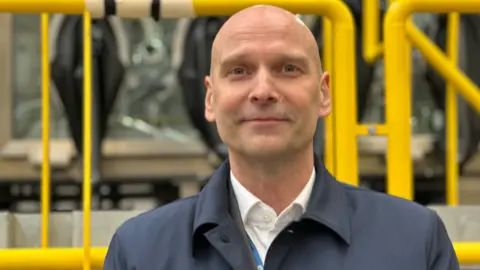
"It's the first plant to manufacture magnets in the UK in 25 years," according to Prof Walton.
"And producing these magnets takes a tenth of the energy used to manufacture brand new ones."
It is not much of a leap to see these greener, cheaper magnets giving a real boost to innovative products from West Midlands companies in the future.
Follow BBC Birmingham on BBC Sounds, Facebook, X and Instagram.
