Retail park can be demolished for offices and labs

 Google
Plans to demolish a city-centre retail park and replace it with offices and laboratories have been approved by the housing secretary.
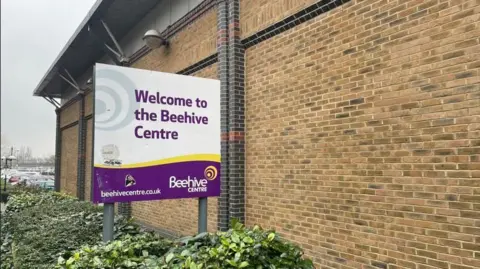
The scheme has proposed knocking down The Beehive Centre, in Coldhams Lane, Cambridge, to make way for new work spaces.
Opponents had claimed the "enormous" high-rise buildings would block out daylight for neighbouring homes, although the developer Railpen said the loss of light would be at an "acceptable" level.
Housing Secretary Steve Reed agreed with the recommendations of a planning inspector and approved the plans subject to conditions in a 122-page decision notice.
The shopping centre is currently home to 17 retail units including a large Asda supermarket.
Cambridge City Council had recommended the plans for refusal in February, on the basis the buildings would block light in nearby homes, but this decision was later called in by the then housing secretary Angela Rayner.
In his decision, planning inspector Jonathan Bore said: "Various conditions are necessary to protect the living conditions of neighbouring residents and the character of the area."
These include a "mechanism for limiting the daylight, sunlight and overshadowing effects of the scheme".
The council said the approved development was less high than what was originally submitted.
 Railpen
Mr Bore added: "Whilst a degree of change from the pre-existing condition is inevitable, the majority of effects to neighbours under the maximum parameter scheme would be unlikely to be perceptible to the occupiers."
He said that Greater Cambridge was "one of the UK's most vital economic assets" and was "home to the largest life sciences cluster in Europe".
The plans include a mixture of offices and laboratories for businesses ranging from start-ups to global firms.
The development, Mr Bore said, "would help to meet unmet need" and make a "significant contribution to the Cambridge knowledge-based research and development cluster".
He said the scheme could create nearly 6,500 thousand jobs, while contributing £600m more to the economy than the current site.
The report said there was an agreement in place between Railpen and the local councils over amenities, including financial contributions to new bus services and leisure facilities elsewhere in the city, and the delivery of a new open space called "Hive Park".
Matthew Howard, the head of property at Railpen, welcomed the decision and said it was "the start of a significant future investment in the area".
"We are committed to ensuring that our scheme makes a meaningful and lasting contribution to Cambridge's economic and social progress, while supporting the nation's broader growth objectives," he added.
Katie Thornburrow, the council's Labour cabinet member for planning and transport, said the authority had "worked hard to make sure that the redevelopment of the Beehive site meets the city's needs without having a negative impact on neighbouring homes and businesses".
She said the housing secretary's decision "allows a scheme that both respects the local community and that will be an asset to Cambridge".
Follow Cambridgeshire news on BBC Sounds, Facebook, Instagram and X.
