Campaign launched to combat North Sea suicide crisis

 Getty Images
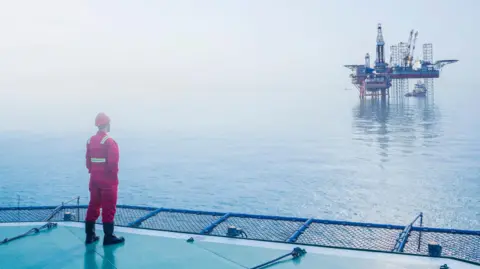
A mental health charity has launched a campaign to cut suicide rates among North Sea oil and gas workers.
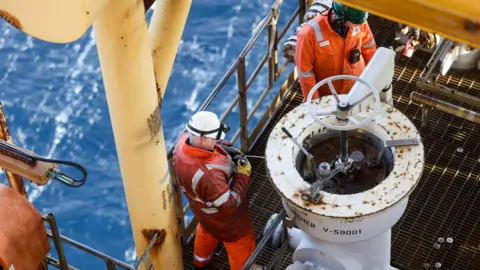
Scottish Action for Mental Health (SAMH) is working on a project with industry leaders which will see them going offshore to speak to workers.
Research from 2023 suggested North Sea workers are 15 times more likely to die from suicide than people working onshore.
The new project is in the development stage after several months of talks and is set to officially launch early in the new year.
Kirstie Langan, a global business director in the energy sector in Aberdeen who has led the project, said the aim was to better protect the workforce in future amid uncertain times for the industry.
She told Radio Scotland Breakfast she had decided it was time for specific action to be taken.
"We've already got this inherently high risk group of workers who are 15 times more likely to die by suicide by being an offshore worker," she said.
"And then in parallel you've got to consider the fact that we are decommissioning the North Sea at pace.
"We have huge economic and political pressures in our sector at the moment, we have a cost of living crisis in this country.
"It's what you could definitely describe as a perfect storm for our people."
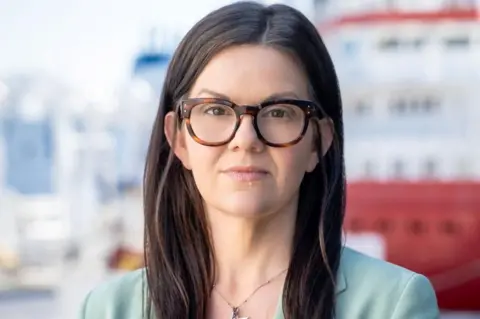 Kirstie Langan
Ms Langan said she has experience of suicide, having lost a colleague when she worked offshore. She had also heard anecdotal evidence about the impact of stress and isolation on workers.
She ran a survey which provided more testimony, convincing her that a campaign was necessary.
"Sitting in my office with the back end of that survey was really actually quite distressing, a real distress signal coming from the workforce," she said.
"And it was clear people are worried, people are nervous about the future, they don't trust the support that is often available to them, they're scared it's going to come back to them, it's going to put a target on their back if they admit they need help.
"And 85% of them told me that the biggest part of their identity came from their work. So it's not just about jobs, it's about identity, purpose, and feeling a sense of belonging in the world."
 Getty Images
SAMH became involved after an industry conference in September.
"We got them engaged, we set up two industry focus groups that would help shape the content of this training," she explained.
"Critically with this programme we set it all up for in-person delivery, nothing like this has been done before, we are taking the very best mental health suicide prevention awareness support available offshore.
"I am deeply deeply concerned, just in the time that we've been leading this programme we have lost team members from some of the partner organisations in this to suicide, this is right now, it's critical."
Ms Langan added: "We're doing this work in the memory of the colleagues we've lost to suicide, and an unwavering hope and commitment to the lives we aim to save, and that's central to everything we're doing."
Nicole Burke from SAMH said the project was aimed at starting a more open conversation about mental health.
"We feel really passionately about being involved in this project," she said.
"With the oil and gas sector I think there are very unique pressures, there's a lot of isolation and people being away from their families, it's a high-pressure environment."
She said offshore workers would receive specially-trained support and also follow-up support to help manage their mental health.
Help and support is also available via BBC Action Line.