Couple's wartime love letters released for VJ Day

 Watson family/University of Oxford
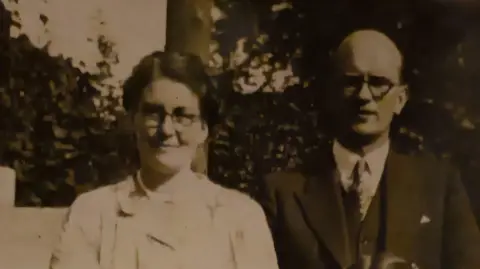
Thousands of love letters written by a couple separated during World War Two have been published to mark the 80th anniversary of Victory over Japan Day.
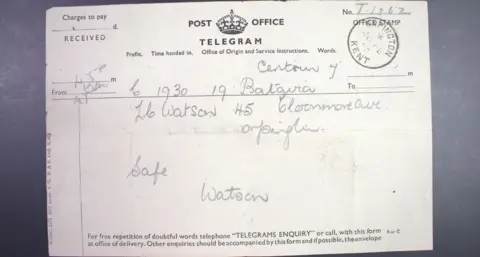
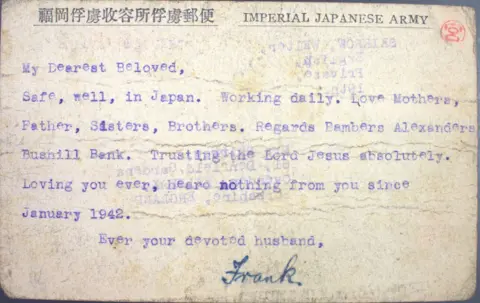
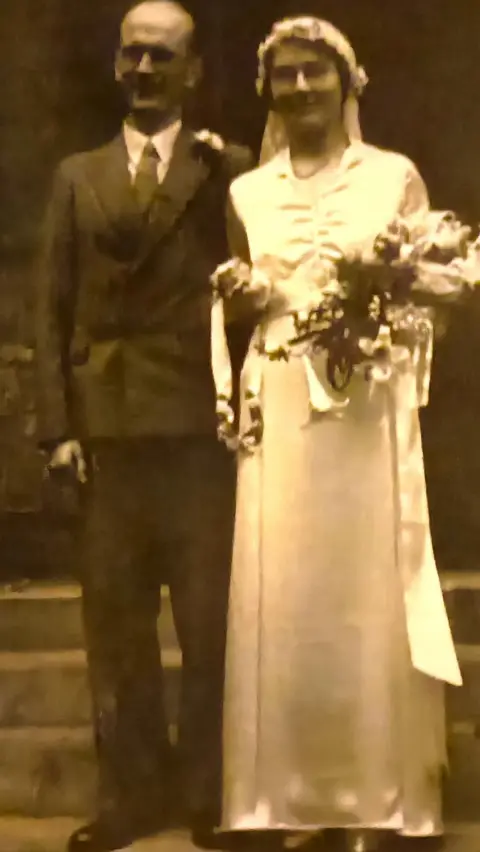
Frank Watson was captured by Japanese forces in 1942 and held in a prisoner of war camp for four years.
His wife May, who remained at their home in Orpington, London, wrote to him almost daily - despite being unable to send her letters.
The correspondence, along with diary entries and other mementoes, has now been digitised by the University of Oxford as part of its Their Finest Hour project, which aims to preserve personal stories and objects from the war.
 Watson family/University of Oxford
 Watson family/University of Oxford
The couple's son, Andrew, said he was left the box of letters when his mother died in 2012, but did not look inside until the Covid lockdown.
The vast number of letters inside included about 1,000 from his mother, whose daily messages each covered two sides of A4.
"She must have known that they would never be sent," said Mr Watson, who also funded the project.
"For many months she thought he was dead. He was supposed to be missing, and then the Red Cross said that he was a prisoner of war.
"So she was essentially writing them to keep him in her consciousness and perhaps in a strange sort of way make it more likely he would come home."
 Watson family / University of Oxford
Among the collection are a fan in the style of a Japanese flag, a prisoner tag and Christmas cards.
"I'm a firm a believer that each generation can learn from the mistakes of the past," Mr Watson said.
"So if my parents' papers give any sort of insight into what it really felt like to be caught up in a world war, then that's good."
The collection is going live on the Their Finest Hour website, which already holds over 2,000 stories and 25,000 objects shared by members of the public.
You can follow BBC Oxfordshire on Facebook, X (Twitter), or Instagram.
