Young dementia victim dies leaving brain to science

 Samantha Fairbairn
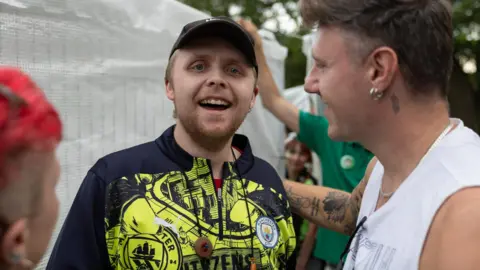
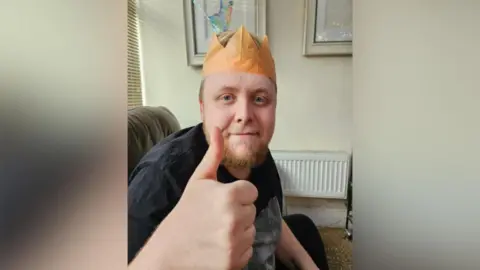
A 24-year-old man who died over Christmas due to dementia has left his brain to researchers.
Andre Yarham, who lived in Dereham, Norfolk, was diagnosed with frontotemporal dementia due to a protein mutation a month before his 23rd birthday.
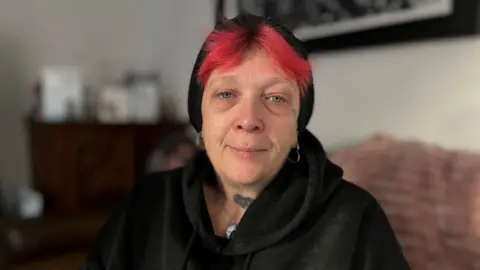
His mother Samantha Fairbairn said she hoped by donating his brain to science more could be found out about this "cruellest" of diseases.
According to Dementia UK, frontotemporal dementia is a rare form of the disease affecting about one in 20 people with a dementia diagnosis.
 Samantha Fairbairn
Fairbairn first noticed changes to her son's behaviour soon after her wedding to his stepfather, Alastair, in November 2022, when Yarham began to get forgetful or displayed inappropriate behaviour.
"He went into the city one day to get something, or he's supposed to be going to the shop, and he decided to get the bus," said Fairbairn.
Scans at the Norfolk and Norwich University Hospital found unusual shrinking to his brain, before Addenbrooke's Hospital in Cambridge diagnosed dementia.
Fairbairn, 49, said she felt "a range of emotions, from anger, sadness - sadness for him".
"One thing it never done until the very, very end was take away his personality, his sense of humour, his laughter and his smile," said Fairbairn.
A month before he died, Yarham lost his speech and could only make noises.
"You could hear him laugh," his mother said.
He still went out walking before he needed personal care including being fed, which the family did until it became too physically challenging.
"So he walked into his care home September last year, very slowly, but he walked in and within just over a month he was in a wheelchair," said Fairbairn.
 Martin Giles/BBC
"Dementia is a cruel, cruel disease," said Fairbairn.
"And I wouldn't wish it on anyone."
Fairbairn said people also needed to know "dementia doesn't discriminate against age", which was why she agreed to be interviewed.
"I need people to know how cruel this disease is. He must have been one of the youngest," she said.
"People with cancer, they can have radiotherapy, they can have chemotherapy, and people go into remission and can lead a fruitful, memorable life. With dementia, there's nothing," she added.
Yarham died at the Priscilla Bacon Lodge hospice in Norwich on 27 December. His brain has been donated to Addenbrooke's Hospital for research.
"If in the future that can help one family get a few more years with their loved ones then, that would be worth it," his mother said.
Frontotemporal dementia often has a genetic link, which means those who develop it can also have relatives impacted by the condition, according to Dementia UK.
A genetic test would reveal if a person is at risk, it added.
Follow Norfolk news on BBC Sounds, Facebook, Instagram and X.
