'Pain inevitable' if council funding cuts go ahead

 BBC
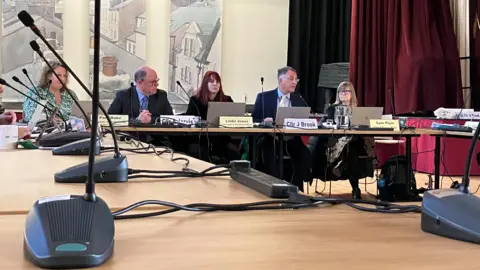
BBCCumbrian council leaders have said the county is losing out under changes to the way local areas are funded.
Jonathan Brook, the Liberal Democrat leader of Westmorland and Furness Council, said local people would "feel some of the pain" if the government did not change course.
Ministers published a proposed local government finance settlement before Christmas, but some critics have said it favours towns and cities at the expense of rural areas.
A Ministry of Housing, Communities and Local Government (MHCLG) spokesperson said the government would "fix the outdated and unfair funding system" it inherited.
The settlement sets out how much money councils are expected to get through council tax, business rates and government grants.
Ministers are overhauling the way funding is allocated to local authorities, arguing the new system will target funding at the areas that need it.
But some, including the County Councils Network, have said rural areas will lose out.
Brook said the planned changes would take about £15m out of Westmorland and Furness's annual budget, meaning cuts might need to be made.
"People will feel some of the pain that is inevitable unless we are able to persuade the government to make a change," he said.
Funding 'mistake' questioned
The Labour leader of Cumberland Council, Mark Fryer, said the situation was "tough" and that an expected cut in government grants would mean the "onus is on the council tax payer" to fund local services.
Cumbrian Labour MPs have been more positive about the new system.
A joint press release from Julie Minns, Josh MacAlister and Michelle Scrogham last month said it "better reflects deprivation, rural delivery costs and social care pressures."
An MHCLG spokesperson said: "We will make almost £78bn available for council finances next year and will fix the outdated and unfair funding system we inherited."
The figure includes the revenue local authorities are expected to raise through council tax.
However, both Cumbrian council leaders accused the government of a "mistake" in how it had calculated funding allocations.
They said a one-off boost to council tax receipts from the introduction of an extra charge on second homes had distorted the government's sums about how their income was likely to grow in future.
MHCLG would not comment on the supposed error, but it is understood the calculations are based on a five-year average of council tax growth.
The provisional settlement is subject to a consultation, ending on 14 January.
