Wildlife protection consultation extended

 Durham County Council
People have been given more time to share their views on plans to protect wildlife such as bumblebees, red squirrels and adders.
Durham County Council's Local Nature Recovery Strategy (LNRS) aims to identify which habitats and species need support and introduce measures to help them thrive.
The last in a series of consultations on the strategy opened in November but the deadline for comments has now been pushed back until 18 January.
A spokesperson for the council said the consultation gave people the chance to have their say on how it "prioritised species, landscapes and habitats".
"This last consultation is a further opportunity to look at our draft plans and provide feedback, before it's sent to our decision makers for approval and publication," they said.
The council said farmers, landowners and specialist organisations had already been contacted to offer their opinions.
 Durham County Council
The draft proposals sets out a number of priorities for the LNRS including protecting local wildlife sites, connecting species-rich grassland and restoring rivers.
It also has specific plans for urban areas, such as creating community woodlands and installing nesting boxes for birds and bats.
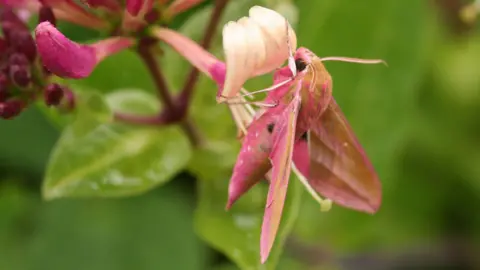
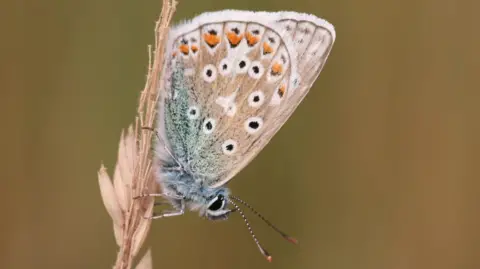
A number of animals have also been highlighted for protection such as butterflies, moths, bumblebees, adders and slow worms.
Efforts will be made to support water voles and red squirrels by managing their habitats and controlling invasive mink and grey squirrel populations.
The online consultation page includes an interactive map which highlights areas in the county where measures could be taken to provide the greatest benefit.
Those wishing to provide feedback on the strategy can comment directly on the map or on the council's Statement of Priorities document.
