What to look out for as flu cases surge

 Getty Images
Flu cases in the UK have risen sharply in recent weeks, with an estimated 2.660 flu cases a day on average in hospital, the equivalent of three hospitals full of flu patients.
This year's flu wave has hit the country earlier than previous years, with younger age brackets being affected most by the virus, according to NHS data.
It is a picture reflected in Greater Manchester, with the health service adding the region is "facing a severe flu wave" after seeing a 36.6% increase in flu-related hospital admissions in the North West.
To combat the rise, NHS Greater Manchester is holding free walk-in vaccination clinics for two-to-three year-olds and for those who missed vaccinations at school.
What to look out for
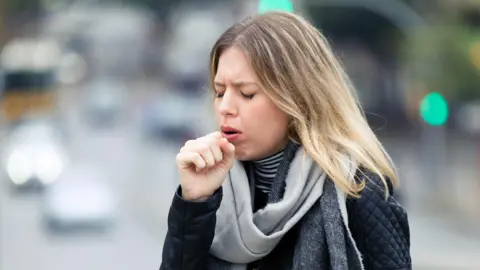
Influenza, or flu, is an illness caused by common viruses and is spread by sneezing and coughing.
They become more widespread in autumn and winter when people are indoors more often, allowing viruses to pass between people more easily.
Symptoms of a flu differ from those associated with the common cold.
North West Tonight's Health Correspondent, Gill Dummigan said symptoms can include "fever and body chills [and it] comes on really quickly and you feel really tired".
Along with an earlier flu spike, this year's wave has also been associated with what many have called a 'super flu', a new mutation of the virus.
The public has not had much exposure to this new mutation, leading to a greater influx of those taken ill with the flu this year.
Experts said it was important to note, that the so-called 'super flu' was not more severe or any harder to treat.
In the North West, 295 people on average were hospitalised with flu by 30 November but by 7 December, that figure has risen to 403.
 PA Media
"Last winter, around 8,000 people died of flu in England. Three winters ago, it was nearly 16,000", Gill Dummigan said.
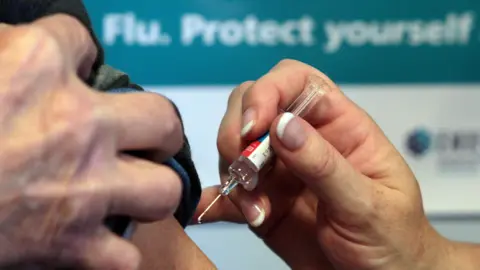
It was why the health service had encouraged young and old members of the public to take the flu vaccine.
The NHS currently offers a free flu vaccine to anyone aged 65 and over, pregnant women, someone who has, or lives with someone who has a long-term health condition and children aged between two and three years old.
The free walk-in clinics for young children in Greater Manchester will run from 12 - 30 December in Oldham, Tameside, Manchester, Salford, Bolton and Bury - areas where uptake has been "particularly low", according to the NHS.
Gill Dummigan said: "The vaccine isn't perfect, scientists look at what happened last winter [in the UK] and also what happened in the winter just gone in Australia.
"It won't necessarily stop you from getting it but it is likely to make it much less severe."
She added the vaccine took about two weeks to take effect.
Dr Helen Wall, Clinical Director for Population Health at NHS Greater Manchester said: "The vaccine is still our best defence against flu, but the virus changes every year, which is why it is so important to get the new vaccine each year to stay protected.
"For most children this means getting a quick and painless spray vaccine rather than an injection."
Listen to the best of BBC Radio Manchester on Sounds and follow BBC Manchester on Facebook, X, and Instagram. You can also send story ideas via Whatsapp to 0808 100 2230.
