New campaign targets rising ketamine abuse

 BBC
BBC"I had no tether on reality because I was so often living in psychedelic K-holes."
Liv, from Bridport, Dorset, is now in recovery and is speaking out as part of the Forget The Ket campaign, which aims to raise awareness of the dangers associated with ketamine use and help young adults get the support they need.
Nationally, there has been an eight-fold increase in the number of people requiring treatment for ketamine since 2015, according to the Department of Health.
Dorset Police said young females could be particularly placed at additional risk of sexual exploitation, with ketamine featuring as an enabler in such cases.
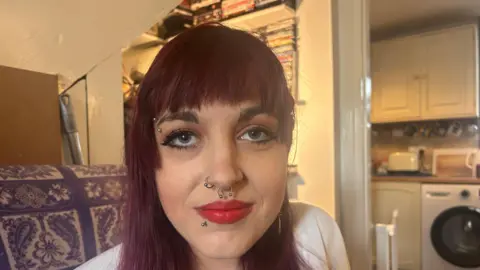
Dorset's Forget The Ket campaign is shaped by people with lived experience of ketamine use.
Liv first took drugs aged 11 but said she started taking harder substances when she went to university.
"In just a few years, I went from being an A-star student to being in hospital every week for seizures and overdoses.
"The lowest of the low was an overdose where my dad and the paramedics had to do CPR on me for 40 minutes. I ended up in a coma on life support and my dad was told to say goodbye to me."
This led to the start of Liv's recovery and she's now been clean of ketamine for two-and-a-half years.
Irreparable bladder damage
Ketamine can result in significant damage to the urinary system and bladder.
Dorset Police and Crime Commissioner David Sidwick said, as part of this campaign, they wanted people to come forward to get treatment.
He said: "What happens with ketamine is absolutely terrible.
"We have young people in agony, who have to pee every five minutes, or, ultimately, have their bladder removed. That's what ketamine does to you."
Another key message of the campaign is to highlight the rise of opium contamination in illicit drug supplies which increases the risk of overdose.
Dr Nicky Cleave, consultant in public health for Dorset Council said: "Synthetic opiates can be up to 500 times stronger than the likes of prescribed opiates such as morphine and diazepam - that means that a tiny amount of that drug could lead to overdose."
She said she was encouraging young people to get in contact with their local drug and alcohol treatment service, which could supply a drug called Naloxone which could reverse the effects of any opiate overdose.
Devon and Cornwall Police said it was also being seen as a contributing factor in the deaths and serious health issues of an older group of poly-drug users.
Ketamine use and drug poisonings are the highest on record, with eight times more people seeking treatment since 2015, according to the Department of Health.
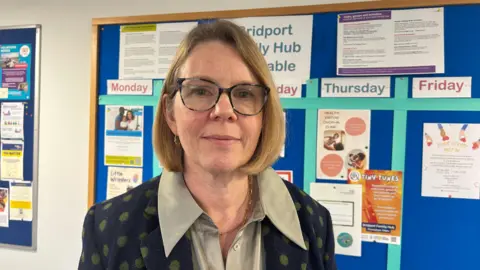
Det Insp Rhys Griffiths, of the Dorset County Safeguarding Hub, said: "There is also a danger of young people being exploited whilst under the influence of this drug or in other ways such as being coerced to supply to others.
"We also have seen how particularly young females can be placed at additional risk of sexual exploitation, with ketamine featuring as an enabler in such cases."
Ketamine is currently classified as a Class B drug, but the government is seeking expert advice on whether to make it a Class A drug.
