Brian's Weekly Sleevenotes - 14 November 15
More fun facts and figures about the songs in today's playlist...

Amy - Bobby Darin (1966)
This was originally released as the ‘B’ side to his single “Lovin’ You” that became a top forty American hit reaching number thirty-two. “Amy” was written by Bobby Darin and featured in the movie “Gunfight At Abilene” in which he starred alongside Emily Banks and Leslie Nielsen.
Al ‘n’ Yetta - Allan Sherman (1963)
“My Son The Celebrity” was the second album by Allan Sherman and along with the first, “My Son The Folk Singer” that included his massive hit, “Hello Muddah, Hello Faddah,” reached number one on the American album charts. Most of the songs were parodies of popular songs and orchestrated by Lou Busch. From “My Son The Celebrity” this is the opening track based on the French song, “Alouette” and called “Al ‘N’ Yetta” depicting the ultimate couch potatoes.
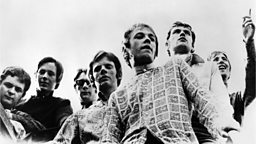
Bend Me Shape Me - Amen Corner (1968)
Amen Corner were formed in Cardiff, Wales in 1966 and initially specialised in playing in a blues and jazz style but after signing with Decca’s subsidiary label, Deram in 1967, were persuaded to take on a more commercial approach. Their debut release, “Gin House Blues” reached number twelve on our charts, then in 1968 they recorded the British cover and the bigger UK hit of the American best seller “Bend Me Shape Me” by The American Breed, written by Scott English and Larry Weiss which charted in the UK a month before their US rivals and became the opening track on side one of their first album, “Round Amen Corner.”
Paper Roses - Anita Bryant (1960)
A British cover version of the song by The Kaye Sisters reached number seven in the UK and in 1973, Marie Osmond revived it yet again taking it to number two. Bryant was born in Barnsdall, Oklahoma. She became Miss Oklahoma in 1958 and was runner-up in the 1959 Miss America beauty pageant at age of nineteen. “Paper Roses” was adopted by fans of the Scottish football team Kilmarnock FC as the club's anthem and was played at major games throughout a number of seasons.
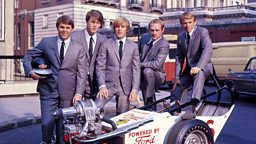
I Can Hear Music - The Beach Boys (1969)
At time when Brian Wilson was increasingly losing interest in producing The Beach Boys, his younger brother Carl took over the role and became lead singer selecting to cover “I Can Hear Music” considered by many to be Carl’s finest moment in that role.
Easier Said Than Done - The Essex (1963)
This was the first single by a group formed by members of the US Marine Corps in North Carolina, who topped the American charts with their first release for two weeks but despite extensive airplay in the UK, only managed a peak position here of number forty-one. The song had been written by fellow marine, William Linton with Larry Huff.
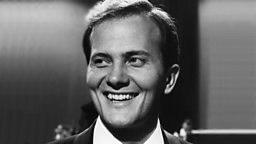
Johnny Will - Pat Boone (1961)
Written by Frederick Tobias and Paul Evans, this single restored Pat to the British top ten for the first time in over three and a half years despite getting stuck at number thirty-five in America Boone who has claimed to be a direct descendant of the American pioneer Daniel Boone, has in recent years taken to recording covers of classic heavy metal and rock songs.
Can’t See For Looking - The Bobcats (1967)
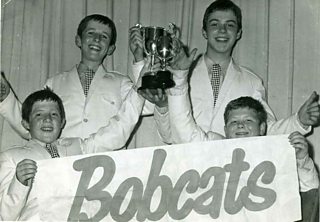
As we continue our very special Beat Season on Sounds Of The Sixties where each week up until Christmas we’ll be taking you on a tour of the UK and focusing on acts that were developing in our cities. This week it’s Birmingham and for our first of two bands it’s The Bobcats who were formed in 1965 and two years later secured a recording contract with Pye but despite their agent John Singer informing the press that he had secured the band £20,000 of work which was a huge amount in 1967, their only record release, “Can’t See For Looking” failed to make an impact.
You can read more about the musicians in our British Beat Season here.
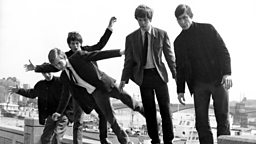
Gimme Shelter - The Rolling Stones (1969)
Written by Mick and Keith, the song first appeared as the opening track on their album, “Let It Bleed” and features session singer Merry Clayton on backing vocals who subsequently recorded her own solo version of the song. Keith Richard began working on “Gimme Shelter” in London while Mick Jagger was away on location filming his movie “Performance.” This was the last album to include Brian Jones and the first on which Mick Taylor replaced him.
Johnny Get Angry - Joanie Sommers (1962)
Actress and singer, Joanie Sommers began recording in 1959 when she was invited by Warner Brothers to appear in the TV series, “77 Sunset Strip” starring Edd ‘Kookie’ Burns who was also in the process of recording an album and invited her to perform with him on some of the tracks including “I Don’t Dig You” and “Kookie’s Love Song.” In 1962 Joanie enjoyed her biggest solo success with her American top ten hit written by Hal David and Sherman Edwards, “Johnny Get Angry” that failed to chart in the UK largely due to the cover version by Carol Deene that reached number thirty-two.
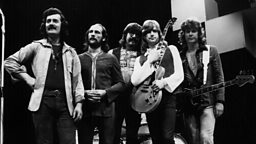
From The Bottom Of My Heart - The Moody Blues (1965)
Our second featured Brum Beat band today has to be The Moody Blues who were the first Birmingham group to become internationally famous and ending up being a major influence on what would become known as the ‘progressive music scene.’ They were formed in 1964 and first called The Moody Blues Five. This track, “From The Bottom Of My Heart” was first released as a single in 1965 and although only reaching number twenty-two, is still considered one of the band’s finest tracks.
You can read more about the musicians in our British Beat Season here.
Strange Brew – Cream (1967)
Based on a blues song Cream used to play in their stage act called “Lawdy Mama”, their producer, Felix Pappalardi and his wife Gail Collins wrote some new lyrics for Eric Clapton to sing over the music. A few years later, Felix was shot dead by his wife over a domestic dispute. When they came to record the new version with Clapton singing the new words, Jack Bruce didn’t get the chance to record a new bass line much to his irritation. During Cream's reunion concerts in 2005, this song was not included in the act, despite being one of their best known and loved songs.
![]()
Beat Cities: Birmingham
The Beat Boom: Birmingham in the 1960s
![]()
Beat Cities: Liverpool
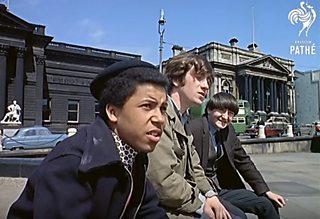
Bob Stanley looks into the Beat Boom in the vibrant city of Liverpool
![]()
Brian's Weekly Sleevenotes 7 November 15
Discover the stories behind today's selection of 60s records