Brian's Weekly Sleevenotes - 25 July 15
Your weekly bite-size guide to the songs in our playlist...
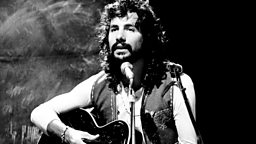
Northern Wind - Cat Stevens (1967)
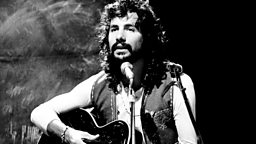
By the time Cat Stevens released his second album, “New Masters” at the end of 1967, he had three top twenty singles under his belt as well as having written The Tremeloes’s “Here Comes My Baby” and P. P Arnold’s “The First Cut Is The Deepest” both major hits in the same year. Unfortunately his success began to falter and Cat made the decision to end his association with producer Mike Hurst, then after a lengthy illness Cat returned to the music scene in 1970 reinventing himself with a new contract with Island Records.
What Does It Take (To Win Your Love) - Junior Walker & The All Stars (1969)
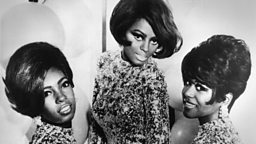
One of Junior Walker’s most successful singles was originally rejected by Motown for release as a single but several American DJ’s began playing the track off an album creating demand and forcing the label to release it. Written by Johnny Bristol who discovered them, Harvey Fuqua who signed them to a recording contract and producer, Vernon Bullock. This single featured Motown acts The Originals and The Andantes on backing vocals. Selling over a million copies, it was voted the top US Soul Record of 1969.
Golden Lights - Twinkle (1965)
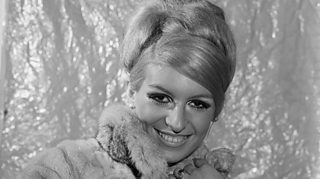
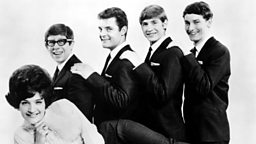
We were saddened to have learned of the passing of singer, Twinkle at the end of May this year. Lynn Ann Ripley was given the nickname ‘Twinkle’ by her father before she was even out of nappies. She wrote her first song at the age of six and eight years later, would get up and sing with local London band The Trekkers. Her sister Dawn was a pop journalist writing for “Mirabelle” magazine, giving Twinkle the opportunity to meet many of the top stars including Dec Clusky of The Bachelors who one day was handed a tape of Twinkle singing a song called “Terry” by her father. He took it to his manager, Phil Solomon who raved about it when he heard it and instantly whipped her into the studio to make a proper recording at a cost of £150.00, leading to a deal with Decca and her first hit. She wrote the follow up, “Golden Lights” in a hotel room in Blackpool overlooking the pier where she could see the name of The Bachelors up in light.
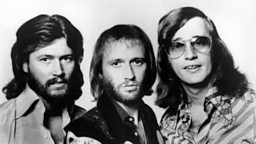
Massachusettes - The Bee Gees (1967)
Another of those songs with part of its title in brackets, The Lights Went Out In) Massachusettes would give it its full title and was written by the group in response to Scott McKenzie’s number one hit, San Francisco (Be Sure To Wear Some Flowers In Your Hair) telling how the lights were all going out because all the hippies were heading for San Francisco. The Gibb brothers weren’t initially convinced that it was a suitable song for them to record themselves and offered it to The Seekers who never got round to performing it so they finally released their own version resulting in their first UK number one.
I Guess The Lord Must Be In New York City - Nilsson (1968)
Harry Nilsson became great friends with The Beatles after they claimed him to be their favourite artist at one of their press conferences. It’s interesting to note that throughout his career, he gained a loyal following with fans despite the fact that he never once played a live concert. Harry wrote ‘I Guess The Lord Must Be In New York City’ with the intention of it being used in the movie “Midnight Cowboy” but in the end the producer’s went for Fred Neil’s ‘Everybody’s Talkin’ but Nilsson didn’t lose out completely as it was his recording that was included on the soundtrack.
Standing On The Corner - The King Brothers (1960)
The song came from the musical written by Frank Loesser and gave The King Brothers their biggest UK hit. The trio were born and grew up in Hornchurch in Essex and were originally called The King Three. Mike, Tony and Dennis were TV personalities long before they began their recording career making their small screen debut in 1953 as teenagers. Their first recordings were for the short lived Conquest label before they signed to Parlophone where they began run of chart hits with ‘Standing On The Corner’ being their most successful.
Good Old Rock And Roll - The Dave Clark Five (1969)
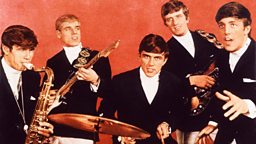
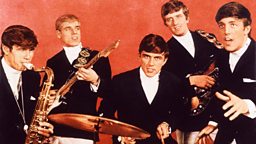
This became the group’s seventeenth and last top forty hit of the sixties with eight of them making the top twenty. With their previous two hits not faring as well as expected, Dave Clark took the decision to record a medley of some of the greatest rock and roll songs of the fifties and release them as a single in time for the Christmas market and his gamble paid off rewarding The Dave Clark Five with a UK number seven.
There But For Fortune - Peggie Allen (1965)
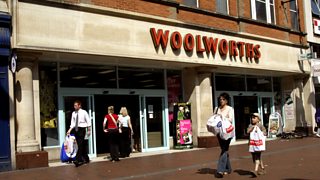
The 25th July sees the fiftieth anniversary of the very last recording session for Woolworth’s Embassy label at Oriole’s New Bond Street Studios in London. The label specialised in covering current hits, making sound alike recordings and putting two on one single. The one we’ve chosen to play is Peggie Allen’s almost perfect copy of Joan Baez’s 1965 number eight hit, written by Phil Ochs, ‘There But For Fortune’
I’ll Never Find Another You - The Seekers (1965)
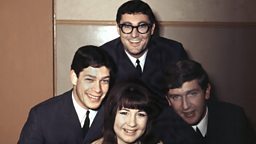
Their first single to be released in the UK and also the debut hit for The Seekers, written and produced by Tom Springfield for the group that filled the void after his group The Springfields decided to break up in 1963. ‘I’ll Never Find Another You’ was recorded at EMI’s Abbey Road Studios and became the biggest selling single in the UK in 1965 as well as the first number one by an Australian group.
Fireball - Don Spencer (1963)
This theme song to the long running successful puppet series, ‘Fireball XL5’, became the only hit for singer, Don Spencer who made a name for himself in his homeland of Australia as a children’s entertainer. Coming to England, he performed on three national tours with The Hollies, Rolling Stones, The Four Seasons and Marianne Faithfull. Showing his versatility, Don turned his hand to comedy, appearing in the BBC series, ‘Let’s Face It’, with Ronnie Barker. His shows for children are booked out. He still continues to work all over Australia from places with eight children to 80,000, as well as having time to do an extraordinary amount of charity work, which has earned him the ‘Heart of Variety Award’, for services to charity.
Eyes - The Honeycombs (1964)
As with most of The Honeycombs’ original material, this song was written by Ken Howard and Alan Blaikley and produced by Joe Meek. The group were formed in North London in 1963 and originally called The Sherabons fronted by Denis D’ell and unusually for this time featured a female drummer, Honey Lantree. Their first record and number one hit, ‘Have I The Right’ was rejected by several record labels before finally being picked up by Pye. The follow up, ‘Is It Because’ stalled at number thirty-eight with ‘Eyes’, their third and quite a change of direction, not making the charts at all.
![]()
Embassy Records: 50 Years On
50 years ago, Woolworths' beloved budget record label recorded its final ever session
![]()
Remembering Twinkle: Terry and the lost tapes
Bob Stanley pays tribute to the kooky and one time controversial star