Brian's Weekly Sleevenotes - 19 September 15
The stories behind the songs of Manfred Mann, Pink Floyd, Bobby Vee and more...
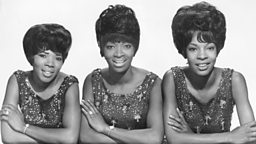
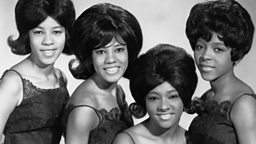
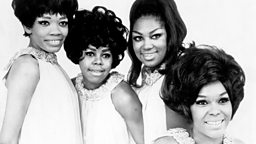
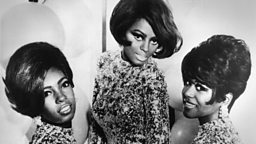
Baby Love - The Supremes (1964)
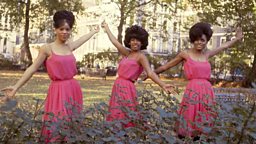
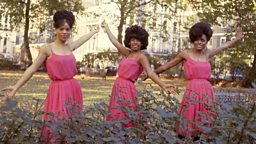
The Supremes became the first all girl group to have a UK number one when ‘Baby Love’ hit the top spot on 19th November 1964. The song was written by Holland, Dozier and Holland at the same time they came up with the group’s previous hit, ‘Where Did Our Love Go’ and both recorded within a space of just two weeks.
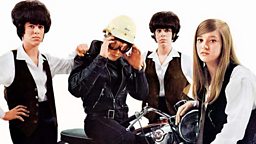
Little Honda - The Hondells (1964)
Written by Mike Love and Brian Wilson who decided not to release a version they had recorded with The Beach Boys as a single although it did appear on album, ‘All Summer Long’. The Hondells were a studio group formed to make this record comprising of drummer Hal Blaine, vocalist and guitarist, Glen Campbell, two ex members of The Castells, Joe Kelly and Chuck Girard as lead vocalist. After the record became an American smash, a semi-permanent touring group was formed.
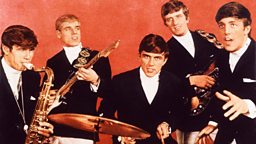
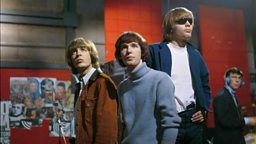
Ragamuffin Man - Manfred Mann (1969)
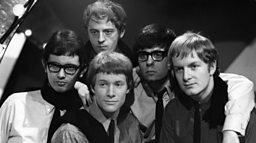
Written by Mitch Murray and Peter Callander, this became the Manfred’s fifteenth and final top twenty hit of the sixties and indeed the last with his existing line up. Manfred and Mike Hugg formed a jazz based combo they called Manfred Mann Chapter Three before he re-emerged as Manfred Mann’s Earthband in 1973.
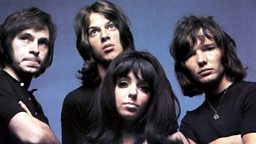
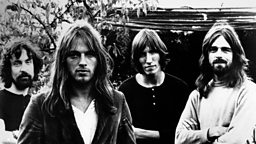
Astronomy Domane - Pink Floyd (1967)
‘The Piper At The Gates Of Dawn’ is the debut album release by Pink Floyd and the only one to include founder member Syd Barrett in the line up who wrote ‘Astronomy Domine’ the opening track on side one with Richard Wright. The album, named after chapter seven of Kenneth Graham’s classic book, The Wind In The Willows, was produced in 1967 by the late Norman Smith who first came to the public’s attention as the engineer on The Beatles’ records. This opening track became one of the band’s regularly featured songs at their live performances.
Real Fright - Iron Butterfly (1969)
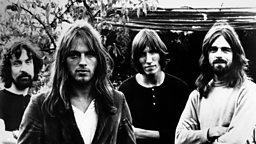
BGO Records have recently released two digitally re-mastered albums by rock band Iron Butterfly on one CD, their 1969 ‘Ball’ and from the following year, ‘Metamorphosis’. ‘Ball’ became their third studio album and was considered more melodic than their previous work and was the second and final to feature their original line up of Doug Ingle (organ and vocals), Ron Bushy (drums and percussion), Lee Dorman (bass and vocals), Erik Brann (guitars and vocals). The track we’ve selected is ‘Real Fright’.
A Forever Kind Of Love - Bobby Vee (1962)
Written by Jack Keller and Gerry Goffin and recorded in the UK under the watchful eye of producer, Norrie Paramor, the single failed to chart in The States but became his seventh UK top twenty hit. It’s also interesting to note Bobby recorded two distinctly different versions of the song, one for his album, ‘A Bobby Vee Recording Session’ produced by Snuff Garrett in America with the UK hit also produced by Snuff and Norrie Paramor at EMI’s Abbey Road studios.
The Doormouse Rides The Rails - The Savoy Brown Blues Band (1967)
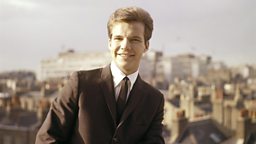
In actual fact, this album is titled ‘Shake Down’ and was the debut release by the then named Savoy Brown Blues Band. Released in 1967, it was a collection of mainly covers featuring songs by blues legends including John Lee Hooker, B. B. King and Willie Dixon but the instrumental track you’re requested, ‘The Doormouse Rides The Rails’ was composed by the band’s guitarist, Martin Stone who last known to be living in Paris and was once a rare book dealer.
I Was Made To Love Her - Stevie Wonder (1967)
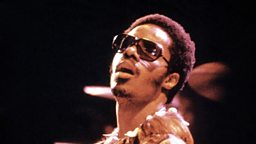
At the time of its release, this became Stevie’s biggest UK hit to date and his first to break through into the top ten. It was written by Stevie with his mother, Lula Mae Hardaway with a little help from Sylvia Moy and producer, Henry Cosby and also became the title track of his 1967 album. The song was about Stevie’s then new girlfriend, Angie Satterwhite and he presented arranger Cosby with just four bars and asked him to finish writing it. Wondering what to do with so little, he got the Motown house band to play the four bars over and over again that became the foundation of the song.
Alley Oop - The Hollywood Argyles (1960)
The Hollywood Argyles who were made up from a group of friends of singer and producer Gary Paxton. He had written ‘Alley Oop’ with the intention of recording it as a solo artist but as he was still under contract to another label as Flip of the duo Skip And Flip, he gathered this motley crew together and named them after a street just across the road from the recording studios in Los Angeles. They went in to record the song late one evening after a night on the town drinking cheap cider, Dallas Frazier who wrote the song, Paxton’s girlfriend and a few other friends chanted the title behind the lead vocal.
Love Is All Around - The Troggs (1967)
In a press interview Presley claimed that he had just returned from a long trip to America to the smell of Sunday lunch cooking in his home, the TV was on and The Joy Strings a Salvation Army band that had two top forty hits in 1964were on a programme performing a song called ‘Love That’s All Around’. He went to switch them off but suddenly had the line ‘I feel it in my fingers, I feel it in my toes’ going around in his head and before lunch was served, he’d completed the song. Wet Wet Wet spent fifteen weeks at number one when they revived the song in 1994 making it the best selling single of the year.
![]()
Blue-Eyed Soul Brother: The Story of Bill Medley
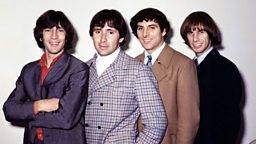
Bob Stanley takes a look at the singer's extraordinary career on his 75th birthday