Brian's Weekly Sleevenotes - 16 August 14
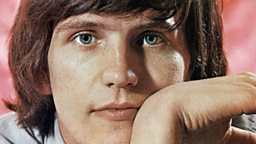
Can’t Help Thinking About Me – David Bowie
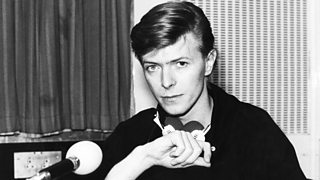
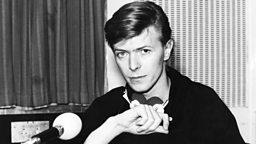
Produced by Tony Hatch and written by Bowie in 1965, the record was released as a single under the name of David Bowie and The Lower Third and became the first record he released after changing his name from David Jones to Bowie. It was also his first single to be released in America. The record was re-issued by Pye in 1972 with a different ‘B’ side in a probable effort to cash in on his huge popularity at the time.
North To Alaska - Johnny Horton
This was the title song to the movie starring John Wayne and Stewart Granger. In the past, Horton had sung several popular movie tie-in songs but this was the first one that was sung over the opening titles. Soon after recording this track, Horton was killed in a head-on collision with a drunk driver while returning home from a performance in Austin, Texas. An unfounded rumour suggested that on the night of the crash, he was on his way to Dallas to meet actor Ward Bond, star of the Western TV series, “Wagon Train” about a part in the series. Ironically, Bond was attending a football game and died of a heart attack hours after Horton’s fatal crash. Another Horton appeared in “Wagon Train” Robert and one of his sisters confirmed the story to be true.
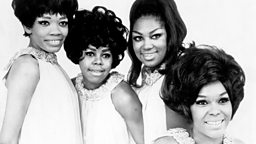
Do I Love You - The Ronettes
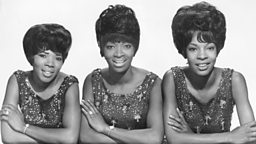
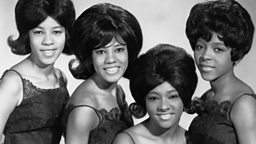
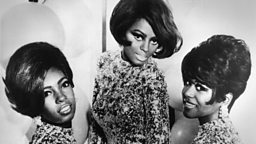
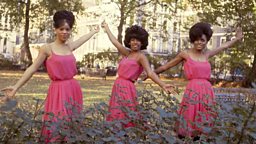
Sisters Veronica and Estelle Bennett along with their cousin Nedra Tally Rose formed The Darling Sisters in 1958 having sung professionally together since being in high school. The track was taken from their only original album, ‘Presenting The Fabulous Ronettes featuring Veronica.’
How About That - Adam Faith
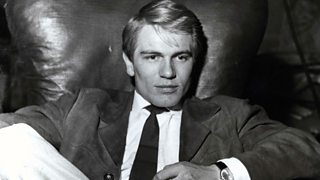
Les Vandyke is the man behind the lyrics to the song that became Adam’s fifth consecutive top ten hit; all of which had been arranged by the late John Barry. Another special SOTS fact is that Vandyke’s real name wasn’t even Johnny Worth, it was Yani Panakos Paraskeva Skoralides.
I Can’t Let Maggie Go – The Honeybus
In March, 1968, the group released their third single, the Pete Dello song, ‘I Can’t Let Maggie Go’, and within weeks, the record had climbed to number eight on the UK’s National charts, resulting in TV appearances and a number of bookings for live gigs, all of which conflicted with Dello’s vision for the future, as he saw The Honeybus mainly as a studio project. With his record label screaming for more material, he found the pressure too much and quit. Although it should have signalled the end of the group, the rest of the members decided to continue and recruited Jim Kelly to replace him but despite a number of further releases, they were never able to repeat the success of their one and only hit.
Cornflake Zoo - Andy Ellison
Andy Ellison who had once been a member of John’s Children with Marc Bolan. Having left the group, Andy remained under the wing of his mentor, Simon Napier-Bell and recorded this song for his SNB label, a song he wrote with Bolan, ‘Cornflake Zoo’ and featured top notch musicians including guitarist Big Jim Sullivan, John Paul Jones on bass and Nicky Hopkins on piano.
I’m Backing Britain – Bruce Forsyth
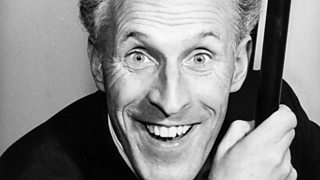
Written by Tony Hatch and Jackie Trent, Bruce recorded this song in 1968 to help with the campaign to boost the British economy. It all began when five women at ventilation and heating company agreed to work an extra half day for no extra pay to boost productivity. The press got hold of the story and then the project was endorsed by Prime Minister, Harold Wilson. The record was rush released the first week of January, 1968 with Forsyth expressing his views on how the country with the help of the public, get out of trouble. His record label Pye reported that the single ended up selling 7,319 copies in total and the high profile campaign fizzled out.
Younger Girl - The Critters
Written by John Sebastian of The Lovin’ Spoonful and originally recorded by the group for their debut album, ‘Do You Believe In Magic’, that contained so many good songs that it would have been impossible to have released them all as singles. Enter The Critters’ producer, Artie Ripp who was quick to pick up on the potential of the song who cut it with his new group giving them their first of four American Hot 100 hits. The group’s career came to a sudden end in 1968 when three key members received their call up papers and their record company released them from their contract. The two remaining members kept the group going for a further eighteen months but the hits by then had dried up.
Have A Drink On Me - Lonnie Donegan
It was a well known fact that Lonnie Donegan was a huge fan of the great Huddie William Ledbetter, better known as Leadbelly and he often adapted his songs to suit his own style. One such song was ‘Have A Drink On Me’, that he passed on to Adam Faith who rejected it. Lonnie decided to record it himself, but included the line; “You can make a fortune writing Adam Faith songs.”
Fascinating Rhythm - Stan Kenton & His Orchestra
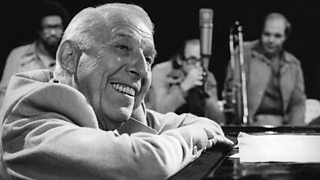
Taken from his album, ‘Sketches On Standards’, this George and Ira Gershwin classic was arranged for Stan Kenton by Bill Russo and features a trombone solo played by Frank Rosolino. This arrangement of the song was later used for a vocal version by The Ward Swingle’s Singers.
My White Bicycle – Tomorrow
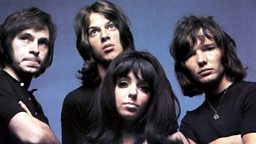
The group evolved out of a soul based combo, The In Crowd and are probably best remembered for this 1967 debut single, written by lead singer, Keith West under his real name of Hopkins. A couple of further singles followed but by the time they released their only album in 1968, they seemed to have lost their direction and with West concentrating on working with Mark Wirtz on his ‘Teenage Opera’, the band decided to call it a day with group member, Twink joining The Pretty Things and Steve Howe ending up as a member of Yes.
Don’t Go Out Into The Rain (You’re Gonna Melt) - The Swinging Blue Jeans
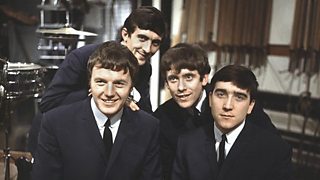
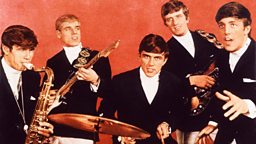
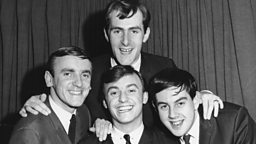
This records was penned by Kenny Young, and released long after the group’s chart career had come to an end. They were Mersey group pioneers, formed in July, 1957 as The Bluejenes Skiffle Group by vocalist, Ray Ennis, winning a talent contest the following year and persuading the leader of the group that came second, Ralph Ellis to join them. The following year they became The Swinging Blue Jeans, becoming one of the best known band in Liverpool at the time and embarking on a long and successful career. To find out more about their career, read Bob Stanley’s profile of the band here.
![]()
Thank Your Lucky Stars and its unofficial after show party
Brian Matthew continues his memoirs
![]()
The Swinging Blue Jeans
Bob Stanley recounts discovering the iconic Merseybeat band