Brian's Weekly Sleevenotes - 02 January 16
More stories and facts behind some of the songs being played this week...
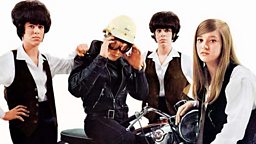
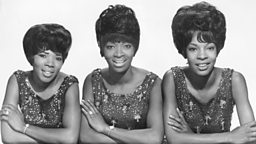
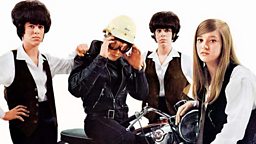
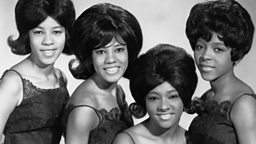
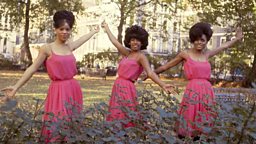
Leader Of The Pack - The Shangri-Las (1964)
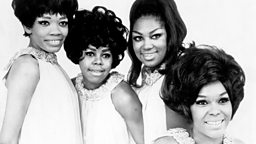
The BBC claimed they never actually banned records, but put them on their ‘restricted list’. In the sixties the corporation would shy away from any song based on a classical music piece as they felt it was messing with protected works, songs with suggestive lyrics or related to drugs but most of all songs about death. In 1964, The Shangri-Las came under the cosh with their record 'Leader Of The Pack' telling the tale of a boy who was killed in a motorcycle accident.
Yesterday Has Gone - Cupid’s Inspiration (1968)
UK acts would cover American hits or album tracks and more often than not, beat the originals into our charts and in some cases the labels with the originals would simply not bother to release their version. In many instances the cover would be the superior recording, such was the case in our opinion of Cupid’s Inspiration’s take on Little Anthony and The Imperials’ 'Yesterday Has Gone'.
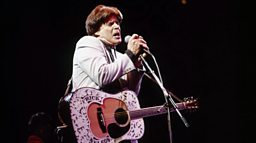
Hello Mary Lou & Travellin’ Man - Ricky Nelson (1961)
A 'Double ‘A’ Side' is where the artist or record label would be undecided about which of two songs they should release as a single. This would often lead to the issue of a double ‘A’ side, not always a good decision as it could split the airplay, but it did little harm to Ricky Nelson in 1961 when he reached number two with 'Hello Mary Lou', which had it been released alone, could have been a UK number one. In America, higher chart positions were determined by a combination of sales and airplay and found 'Hello Mary Lou' reaching number nine whereas the track on the other side, 'Travellin’ Man' topped their charts.
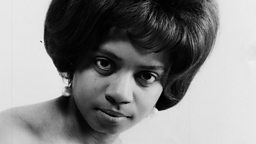
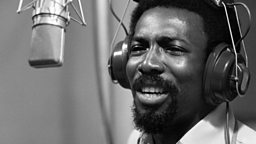
Private Number - Judy Clay &William Bell (1968)
Over the years, record companies had the idea of pairing up some of their artists to record together achieving numerous hits including Marvin Gaye with both Kim Weston and Tammi Terrell, Nancy Sinatra with Lee Hazelwood and also her father, Chubby Checker and Bobby Rydell. But the pairing we’ve selected is by Judy Clay and William Bell, a twosome that Stax decided should record together resulting in the top ten hit, 'Private Number'.
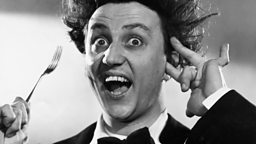
Tears - Ken Dodd (1965)
In the sixties, a Gold disc would be awarded to the few singles that achieved sales of a million copies or more in the UK. Only seventeen were awarded between 1960 and 1969 for this achievement, six of which went to The Beatles. The biggest seller outside of The Beatles though was this 1965 number one with sales over one point five million copies, 'Tears' by Ken Dodd.
Perfidia - The Ventures (1960)
It is no surprise that we receive dozens of requests every month for instrumentals with stacks of successful singles making the charts in the sixties. In 1960 with the follow up to their chart debut, American group, The Ventures scored their biggest UK hit with 'Perfidia' first made popular in 1943 by Xavier Cugat and his Orchestra.
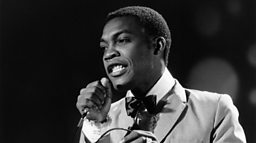
Israelites - Desmond Dekker & The Aces (1969)
The letter ‘J’ represents ‘Jamaica’ and the music that came out of that Caribbean island, giving Britain a new sound in the sixties with their ska, blue beat and Reggae rhythms. One of the first acts to cross over into the UK pop charts was Desmond Dekker and The Aces who first made our top twenty in 1967 with '007' but then less than two years later not only did they became the first ska act to reach number one in the UK with 'Israelites' but it also made the American top ten.
Gurney Slade - The Max Harris Group (1960)
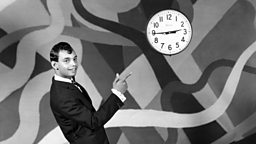
During the sixties, several TV theme songs and melodies made our charts and in some cases the music was more popular than the actual programmes. 'Z Cars', 'Juke Box Jury' and 'Fireball XL5' all saw their themes in the charts alongside the cult series, 'The Strange World Of Gurney Slade' starring Anthony Newley with the theme played by The Max Harris Group.
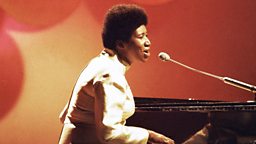
I Say A Little Prayer - Aretha Franklin (1968)
Our second Bacharach and David song in today’s show fits into the letter ‘Q’ for the ‘Queen Of Soul’, the fabulous Aretha Franklin and her hit, 'I Say A Little Prayer' that only came about when her backing singers, 'The Sweet Inspirations' who knew the Dionne Warwick version, were singing the song during a break in one of Aretha’s recording sessions.
Summertime Blues - Eddie Cochran (1959)
‘R’ has to be for ‘Rock ‘N’ Roll’ although by the beginning of the sixties its popularity was on the decrease with only a handful of records from this genre making our charts. A few re-issues from the sixties by Bill Haley & His Comets, Buddy Holly, and Chuck Berry found their way back into our top forty along with this classic release by Eddie Cochran that first reached number eighteen in 1959 then returned to the top forty nine years later reaching number thirty-four in 1968.
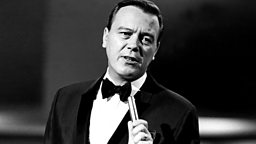
Yesterday - Matt Monro (1965)
One of the most recorded songs in the history of music is 'Yesterday' written by Paul McCartney but credited to Lennon and McCartney, so ‘Y’ is for 'Yesterday' of which there have now been over two thousand cover versions of the song that was voted the best song of the 20th century in a 1999 BBC Radio 2 poll of music experts and listeners. The most successful sixties cover of the song was Matt Monro’s 1965 UK number eight hit.
White Rabbit - Jefferson Airplane (1967)
And so we come to the end of our journey through the alphabet with the letter ‘Z’ which is for ‘zero’ and represents those acts that released successful albums in the sixties but never achieved a hit single. Led Zeppelin for instance refused to allow any of their tracks to be issued as 45’s in the UK and Leonard Cohen’s albums sold well enough to get into the charts without a hit single. However, we’re concluding this special with an American top ten hit from 1967 by the ever popular Jefferson Airplane and 'White Rabbit'.
![]()
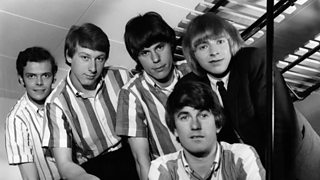
Beat Cities: London Part 2
Bob Stanley introduces the Beat bands that were born in London's suburbs
![]()
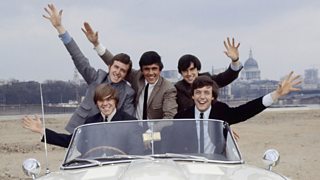
Beat Cities: London Part 1
Bob Stanley with some of the best Beat bands from the Capital...
![]()
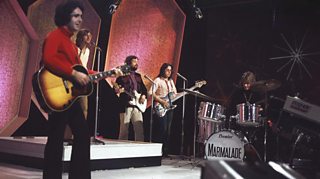
Beat Cities: Glasgow
The little told story of the Glasgow beat bands
![]()
Beat Cities: Sheffield
Bob Stanley on Sheffield beat band, 'The Sheffields'

![]()
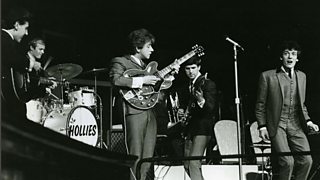
Beat Cities: Manchester
The Hollies and The Toggery Five: inside Manchester's beat scene in the 1960s with Bob Stanley
![]()
Beat Cities: Birmingham
The Beat Boom: Birmingham in the 1960s
![]()
Beat Cities: Liverpool
Bob Stanley looks into the Beat Boom in the vibrant city of Liverpool