Brian's Weekly Sleevenotes - 23 May 15
Discover the stories behind the songs in our playlist...
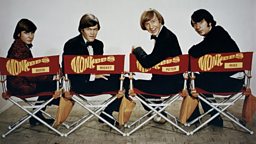
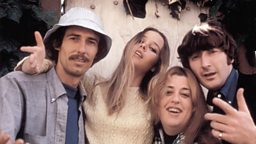
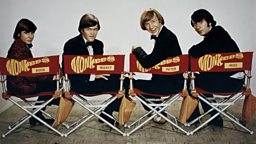
A Little Bit Me, A Little Bit You - The Monkees
Having already topped the charts with Neil Diamond’s ‘I’m A Believer’, another of his songs was selected for the follow up with Davy Jones singing lead vocals on ‘A Little Bit Me, A Little Bit You’.It’s believed that Diamond himself took part with some of the backing vocals.
Angel Baby (Don’t You Ever Leave Me) - Stevie Wonder
Written by Sylvia Moy and Henry Cosby, ‘Angel Baby’ comes from Stevie Wonder’s 1966 album, ‘Down To Earth’ - his sixth LP for Motown. Many of his fans considered the material on this disc to be quite a departure from his earlier recordings due largely to the change in the sound of his voice as he approached adulthood. The opening track was his hit single ‘A Place In The Sun’.
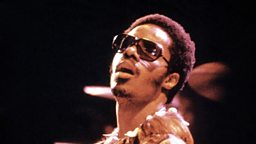
Watch Out - Jackie Wilson
American DJ Alan Freed named Jackie Wilson “Mr Excitement” due to his vast singing range and stage presence, and now after extensive research in the Brunswick Records archives, Ace Records have uncovered twenty-four previously unreleased tracks and fascinating alterative takes and versions of much of his material recorded in New York between 1961 and 1966 on a new double CD. The collection also contains several lesser know recordings made by Wilson including this 1964 release written by John Roberts, Alonzo Tucker and Wilson himself, “Watch Out.”
I’m The Urban Spaceman - The Bonzo Dog Doo-Dah Band
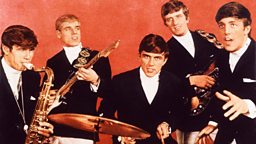
Although immensely popular, this became their only hit single and was produced by Gus Dudgeon with Paul McCartney under the pseudonym of Apollo C. Vermouth. Neil Innes who won an Ivor Novello award in 1968 for composing ‘I’m The Urban Spaceman’, taking the trophy for ‘Best Novelty Song’. In later years, Innes began performing the song on stage as a soloist whilst a female tap dancer gave an enthusiastic but bad performance around him.
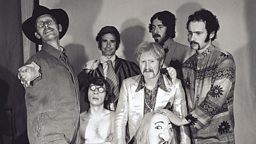
Parachute Woman - The Rolling Stones
A far as we can tell, ‘Parachute Woman’ has only ever been performed live on two occasions by the group, once during the initial performance of ‘Rock And Roll Circus’ in 1968 then thirty-four years later on their 2002 ‘Licks Tour’. The album's original cover depicting a bathroom wall covered with graffiti, was rejected by the band's record company, Decca and their unsuccessful dispute delayed the album's release for several months.
Proud Mary - Creedence Clearwater Revival
Whilst lead singer, John Fogerty was serving in the National Guard, he carried a notebook around jotting down titles he thought would make good songs. Three of those titles were “Riverboat,” “Rolling On A River” and “Proud Mary” the latter reminding him of a washerwoman about whom he started writing the song about but as then the image of a rotating paddle wheel on a Mississippi River boat came to mind so “Proud Mary” became a boat and the two other titles were incorporated into the song that has since attracted over a hundred cover versions.
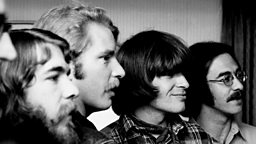
Please Let Me Love You - The Beefeaters
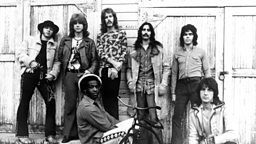
This week we begin a short run of a new feature, ‘The Name Before The Fame’ looking at artists and bands before they changed their name and subsequently became famous beginning with this 1964 recording of ‘Please Let Me Love You’ by The Beefeaters that consisted of Roger McGuinn, David Crosby, Chris Hillman and Gene Clark all of whom were smitten by the Merseybeat sound coming out of the UK. After this one release for Elektra they decided to change their name and looking for an alternative spelling in the wake of The Beatles, settled on The Byrds and a few months later found themselves topping the charts with Bob Dylan’s ‘Mr Tambourine Man’.
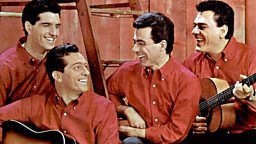
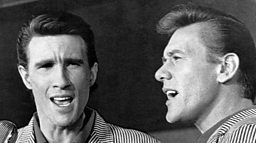
Unchained Melody - The Righteous Brothers
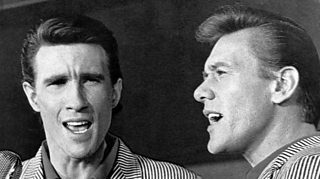
This version of the song returned to both the British and American charts in 1990 when it was featured in the movie, ‘Ghost’ starring Patrick Swayze and Demi Moore, topping the charts here and reaching number nineteen in the States. The song written by Alex North and Hy Zaret first appeared in the 1955 movie, ‘Unchained’, that takes place in a prison and the song reflects the mood of the inmates as they wait for time to pass. It stars former American footballer, Elroy ‘Crazy Legs’ Hirsch and a black singer named Todd Duncan who went on to become a vocal instructor after he sang the movie version.
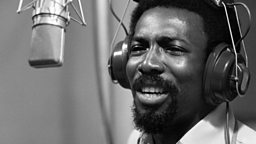
Love Machine - Spencer Wiggins
Spencer and his younger brother, Percy grew up in Memphis where their family had its own gospel group, The New Rival Gospel Singers who performed in churches around their hometown.. On leaving school, Spencer had but one ambition and that was to be a successful singer. His big break came in 1965 when he was spotted performing in The Flamingo Rooms, a club that would hold an audience of a thousand, by a local attorney who gained him a recording contract with the Goldwax label where he would release eight singles and remain until just before its demise in 1970, with his final release the previous year. As Goldwax faded, they accepted an offer from Rick Hall of Fame records to buy Spencer’s contract and despite seven unreleased tracks in the can, set about recording new material, the first of which was ‘Love Machine’ written by Wiggins with Oscar Smith, Earl Cage and Joe Reynolds
The Night Has A Thousand Eyes - Petula Clark
Two years before Bobby Vee scored a hit with ‘The Night Has A Thousand Eyes’, Petula Clark recorded a different song with the same title, this one was the title song to the 1948 movie of that name starring Edward G Robinson and was written by Jerry Brainin and Buddy Bernier and went on to become a jazz standard with versions being recorded by many big name including Horace Silver, Carmen McRae, Harry Beckett, Paul Desmond and John Coltrane. Petula’s version is included in an amazing four CD box set released by Jasmine and under the heading, ‘Petula Clark-Tender Love 1960-1962’ containing a hundred and ten tracks with several foreign versions of songs and many of which appearing on CD for the first time.
![]()
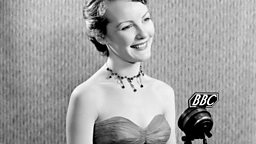
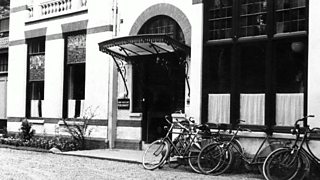
Brian Matthew reporting from Holland
Hear Brian reporting after the North Sea floods disaster in 1953
![]()
The Righteous Brothers vs Cilla
The duo were less than impressed with Cilla Black's version of their song...