Brian's Weekly Sleevenotes - 1 August 15
From Paul Anka, to Dusty Springfield to King Curtis and Cliff Richard - discover the stories behind the songs that soundtracked an era...
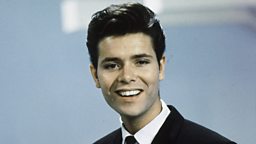
Don’t Talk To Him - Cliff Richard (1963)
Written by Cliff with Bruce Welch, this became his eighteenth top ten hit of the sixties including five number ones and although Cliff co-wrote the song, he once admitted that he found it a frightening experience. Bruce had written the melody and Cliff took the demo away and sat on his own in a rented cottage in Blackpool, where he was appearing with The Shadows, and wrote the words.
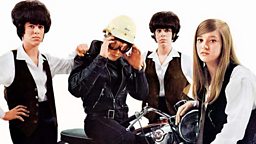
Popsicles And Icicles - The Murmaids (1963)
Written and produced by David Gates, the girls were Carol and Terri Fischer and Sally Gordon whose hit record was remarkable in the fact that each time it was re-pressed in The States, it contained a different ‘B’ side, a total of four in all. None of their follow up releases made any impact on the wonderfully named Chattahoochee records and before long and after contractual hassles, they were dropped from the label. The trio resurfaced briefly during the flower power era with a cover of Traffic’s ‘Paper Sun’.
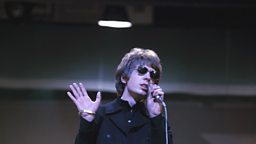
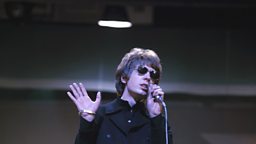
Joanna - Scott Walker - (1968)
Written by Tony Hatch and Jackie Trent, this became the biggest of Scott’s three solo hits and was released soon after but not included on his album, ‘Scott 2.’ Although credited to Hatch and Trent, journalist Joe Jackson claimed in one of his articles ‘The Fugitive Kind’ that Walker changed a proportion of the lyrics including the last line of the song to, ‘you may remember me and change your mind.’
Hooked On A Feeling - Billy Joe Thomas - (1968)
Billy Joe Thomas was born in Oklahoma, but moved to Texas when he was just two weeks old and from a very early age developed a love for music. At the age of fifteen he was urged by his brother, Jerry, to join a band called The Triumphs. Although they played over a hundred gigs and recorded a number of singles for small labels, they never found success until they were signed to the American Pacemaker label in 1966, where they scored a local hit with a cover of the Hank Williams song, ‘I’m So Lonesome I Could Cry’. With sales increasing by the day, the track was licensed to the mighty Sceptre label for national distribution resulting in a top five US hit. This practise continued until 1967 when he started recording as a soloist in Chip Moman’s studio in Memphis, releasing his biggest hit to date, ‘Hooked On A Feeling’ the following year.
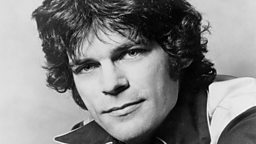
No Reply - The Beatles - (1964)
Our selected album this week was produced by George Martin, ‘No Reply’ was the opening track on side one of ‘Beatles For Sale’, the group’s fourth album release, and spent a total of forty-six weeks on the LP charts, eleven of which were at number one. ‘Beatles For Sale’ wasn’t released in its original form in America until 1987 but in its place was a collection called ‘Beatles’65’, which included eight songs from the UK release plus ‘I Feel Fine’, ‘She’s A Woman’ and ‘I’ll Be Back’.
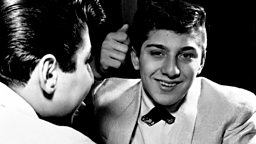
Love Me Warm And Tender - Paul Anka - (1962)
Having been with the ABC-Paramount label in America since his first hit, ‘Diana’ in 1957, he was offered a new recording deal with RCA in 1962 and this was his first release for the company. It was the same year he appeared in the war drama movie, ‘The Longest Day’ for which he wrote the theme song and received an Oscar nomination. When Johnny Carson made his debut as host of NBC-TV's ‘The Tonight Show’, Anka contributed one of most recognised theme songs in television history
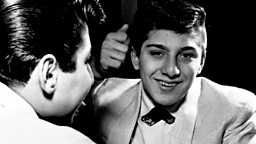
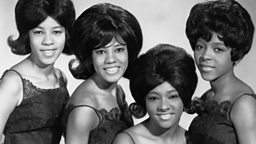
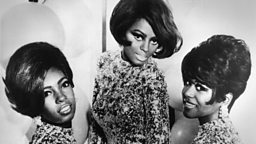
What Kind Of Fool Do You Think I Am - The Dixie Cups - (1966)
This is a truly obscure record that was recorded by The Dixie Cups in 1966, released in America on the ABC Paramount label and licensed in the UK to EMI’s HMV imprint. It was arranged and produced by Joe Jones of ‘You Talk Too Much’ fame. The label credits the name of ‘Fowley’ as composer, that we can only surmise to be the late song writer and producer, Kim Fowley.
Love Is Not A Game - Sam E Solo - (1965)
Business partners Jack Ashford, a musician and song writer once a percussionist with The Funk Brothers, Motown’s house band and record company executive Shelley Haims teamed up to form Pied Piper Productions in the mid sixties. They began testing the waters with a handful of releases on their own Giant label, they also leased material to RCA, Kapp and a number of other smaller labels. Now Kent Records have released their second volume of material from the company under the title of ‘Pied Piper - Follow Your Soul’ containing twenty-four tracks from this talented Detroit production team, several of which were previously unreleased. We’ve selected ‘Love Is Not A Game’ by Sam E Solo, which was the flip side to his 1965 release, ‘Tears Keep Fallin’ but it was this more up tempo track that began picking up the plays on the Northern Soul scene.
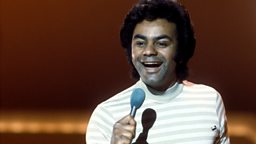
My Love For You - Johnny Mathis - (1960)
A massive hit in the UK, but barely making an impression in America, ‘My Love For You’ was a composition by future Motown writers, Nicholas Ashford and Valerie Simpson. Mathis released his first album in 1955 called ‘A New Sound In Popular Song’ but was slow selling and contained jazz standards. He followed it with a project produced by Columbia Records’ vice president, Mitch Miller, who defined the Mathis sound. In late 1956 he recorded two of his most popular songs, ‘Wonderful Wonderful’ and ‘It’s Not For Me To Say’ followed by a constant stream of hit records that he continues to turn out to this day.
Inside-Looking Out - The Animals - (1966)
This was their first single release after leaving EMI and signing with Decca. The song was recorded for their third album, ‘Animalisation’ but by this time some of the original members had departed. Alan Price had quit in May 1965 and was replaced by Dave Rowberry on piano and organ. By the time the album was released, John Steel had also left to be replaced by Barry Jenkins, formerly of The Nashville Teens.
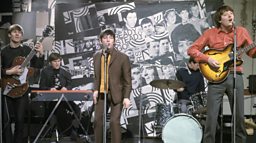
Big Wheel - Gerry Dorsey - (1961)
Arranged by John Barry, this specially commissioned song written by Johnny Worth under his often used pseudonym, ‘Les Vandyke’ held great expectations for both artist and his record company, EMI, but alas made little impression on the great record buying public. After several further releases on numerous different labels, Mr Dorsey finally found fame and fortune in 1966 when he signed to Decca and changed his name to Engelbert Humperdinck.
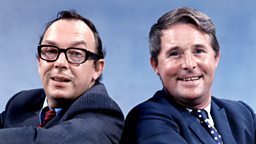
Me And My Shadow - Morecambe And Wise - (1961)
How could we resist playing a track from a recently released triple CD from One Day Music, containing seventy-five tracks under the heading of ‘The Greatest Novelty Songs’. There are contributions from many names in the comedy world including Bernard Cribbins, Tommy Cooper, Peter Sellers, Benny Hill and his ridiculous version of Billy Rose, and Dave Dreyer’s classic song “Me And My Shadow” performed on this CD by Morecambe and Wise. AL Jolson was also given a composer credit, as was the case with many songs that he decided to record during the height of his fame.
![]()
"The Beatles came along and changed all the rules"
The Shadows drummer Brian Bennett reflects on a hellish panto stint in 1962
![]()
Embassy Records: 50 Years On
50 years ago, Woolworths' beloved budget record label recorded its final ever session
![]()
Remembering Twinkle: Terry and the lost tapes
Bob Stanley pays tribute to the kooky and one time controversial star