Sources and origins
Natural timbers
Hardwoods
Timber that has come from a tree that drops leaves in the autumn to prepare for winter. comes from Trees that lose their leaves during autumn to prepare for winter. trees with broad leaves. Hardwood trees take a long time to grow, around 60 years (sometimes up to 100). This means that they are less commonly planted and very expensive. The majority of hardwoods grow in A very hot, humid country or environment. regions, such as Amazonian climates, while others grow in The usual weather conditions in an area that does not include extremes of temperature or rainfall/snowfall. such as Europe. Their A layer of wood that grows around a tree trunk each year. are much smaller than softwood, making the The pattern of fibres (lines and knots) in wood. closer. Examples include:
- beech
- mahogany
- oak
- balsa
- A low-density wood used for modelling.
- birch
- ash
| Hardwood | Physical properties | Working properties |
| Beech | Slight pink tint, close grain | Tough, durable and smooth to finish |
| Mahogany | Dark-reddish colour, very close grain | Cuts and polishes easily, gives a fine finish, used for high-quality furniture |
| Oak | Moderate-brown colour with unique and attractive grain markings | Tough and durable, polishes well, used for quality furniture |
| Balsa | Pale and wide-spaced grain due to it being a fast-growing hardwood | Very soft and easy to form, often used to make models |
| Hardwood | Beech |
|---|---|
| Physical properties | Slight pink tint, close grain |
| Working properties | Tough, durable and smooth to finish |
| Hardwood | Mahogany |
|---|---|
| Physical properties | Dark-reddish colour, very close grain |
| Working properties | Cuts and polishes easily, gives a fine finish, used for high-quality furniture |
| Hardwood | Oak |
|---|---|
| Physical properties | Moderate-brown colour with unique and attractive grain markings |
| Working properties | Tough and durable, polishes well, used for quality furniture |
| Hardwood | Balsa |
|---|---|
| Physical properties | Pale and wide-spaced grain due to it being a fast-growing hardwood |
| Working properties | Very soft and easy to form, often used to make models |
Jelutong is used for model making and Warmed sheet plastic is sucked against a mould to give it shape. moulds, and it is selected because it is easy to cut and shape. It has a close and even grain but, because it is soft, it is not good for structural uses.

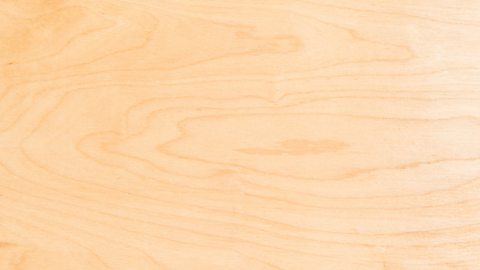
Birch is often used for veneers in furniture and it is selected because of its even grain. Like jelutong, it is easy to cut and shape but it is also liable to rot and insect attacks.
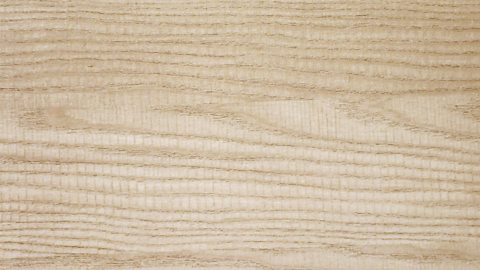
Ash is used in ladders, tool handles, walking sticks and sports equipment, such as oars. It finishes well and it is selected because it is strong and flexible but, like birch, it is liable to rot and insect attacks.
Softwoods
Timber that has come from a coniferous tree that does not drop leaves in the autumn to prepare for winter. comes from Trees that do not lose their leaves during autumn to prepare for winter. trees with needle-like leaves that normally stay on during the winter - larch is an exception as it loses its needle-like leaves during the winter. Softwoods naturally grow in colder regions such as Alpine climates. Softwood trees grow quickly so their growth rings are wider making the grain wider. This ability to grow quickly means that softwood trees can be used for timber after 20-30 years - making them cheaper than hardwood. They are often grown commercially, and examples include:
- pine
- cedar
- larch
| Softwood | Physical properties | Working properties |
| Pine | Pale coloured with aesthetically pleasing grain | Lightweight, easy to form, used for construction and decking |
| Cedar | Lightweight, pale colour with even texture | More expensive than pine but not as strong |
| Softwood | Pine |
|---|---|
| Physical properties | Pale coloured with aesthetically pleasing grain |
| Working properties | Lightweight, easy to form, used for construction and decking |
| Softwood | Cedar |
|---|---|
| Physical properties | Lightweight, pale colour with even texture |
| Working properties | More expensive than pine but not as strong |
Larch is used in exterior cladding, small boats and for fence posts and is selected because it is durable and resistant to water. It is, however, more expensive than other softwoods.

Manufactured timbers
Manufactured timbers can be made from leftover wood such as sawdust and wood chippings. This means they can be made into large sheets rather than being restricted to the size of a tree trunk. They are much cheaper than both hardwoods and softwoods and are often used in low-cost furniture. Examples include:
- medium-density fibreboard (MDF)
- plywood
- chipboard
| Manufactured timber | Physical properties | Working properties |
| Medium-density fibreboard (MDF) - used for general carpentry work and flat-pack furniture as a veneer can applied or it can be painted | Smooth, light brown, can be veneered | Smooth and easy to finish, absorbs moisture so not suitable for outdoor use |
| Plywood - used for furniture, shelving, construction and toys | Layers of veneer glued at 90 degree angles for strength, aesthetically pleasing outer layer | Easy to cut and finish, can be stained or painted |
| Manufactured timber | Medium-density fibreboard (MDF) - used for general carpentry work and flat-pack furniture as a veneer can applied or it can be painted |
|---|---|
| Physical properties | Smooth, light brown, can be veneered |
| Working properties | Smooth and easy to finish, absorbs moisture so not suitable for outdoor use |
| Manufactured timber | Plywood - used for furniture, shelving, construction and toys |
|---|---|
| Physical properties | Layers of veneer glued at 90 degree angles for strength, aesthetically pleasing outer layer |
| Working properties | Easy to cut and finish, can be stained or painted |
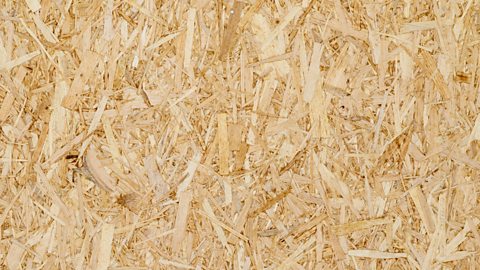
Chipboard is commonly used in kitchen worktops and flat-pack furniture and is selected because it is inexpensive to produce as it is made from waste timber. Chipboard is commonly covered using a real wood veneer or melamine sheet so it is not on show. Covering the chipboard provides a layer of protection - if chipboard is exposed to moisture it will swell up and fall apart.