Sources and origins
Sources of fibres
Fibres used to create yarns can be obtained from either natural or synthetic sources:
- natural fibres come from animals or plants
- plant fibres include cotton, linen, jute, sisal and more unusual fibres such as bamboo or coconut
- animal fibres include wool, silk and hair such as mohair (goat) or angora (rabbit)
- synthetic fibres are created by scientists from artificial sources, eg by refining Mixture of hydrocarbons, mainly alkanes, formed over millions of years from the remains of ancient dead marine organisms. or regenerating Wood fibres processed and reduced down with chemicals or mechanically broken down into smaller parts to make paper.
- refined fibres include polyester, nylon , lyocell and acrylic
- regenerated fibres include viscose
The fibres a fabric is made from will affect its properties, making them suitable for different uses, eg cotton is cool to wear so is suited to a summer T-shirt, whereas wool is warm so suited to a winter jumper.
Natural fibres
| Natural fibre | Properties | Uses |
| Cotton | Strong and absorbent but not very durable or warm | T-shirts, jeans, towels |
| Wool | Absorbent and warm but not very strong or durable | Knitwear, socks, suiting |
| Silk | Very absorbent and also strong, warm and durable | Shirts, dresses and ties |
| Natural fibre | Cotton |
|---|---|
| Properties | Strong and absorbent but not very durable or warm |
| Uses | T-shirts, jeans, towels |
| Natural fibre | Wool |
|---|---|
| Properties | Absorbent and warm but not very strong or durable |
| Uses | Knitwear, socks, suiting |
| Natural fibre | Silk |
|---|---|
| Properties | Very absorbent and also strong, warm and durable |
| Uses | Shirts, dresses and ties |
Synthetic fibres
| Synthetic fibre | Properties | Uses |
| Polyester | Strong and durable but not very absorbent or warm | School blazers, trousers |
| Acrylic | Very warm, also strong and durable but not absorbent | Knitwear |
| Nylon | Very strong, also durable but not very warm or absorbent | Carpets, fishing nets |
| Elastane | Strong and durable but not very warm or absorbent | Sportswear, swimwear |
| Synthetic fibre | Polyester |
|---|---|
| Properties | Strong and durable but not very absorbent or warm |
| Uses | School blazers, trousers |
| Synthetic fibre | Acrylic |
|---|---|
| Properties | Very warm, also strong and durable but not absorbent |
| Uses | Knitwear |
| Synthetic fibre | Nylon |
|---|---|
| Properties | Very strong, also durable but not very warm or absorbent |
| Uses | Carpets, fishing nets |
| Synthetic fibre | Elastane |
|---|---|
| Properties | Strong and durable but not very warm or absorbent |
| Uses | Sportswear, swimwear |
Origins of fibres
| Fibre | Main origin |
| Cotton | China, India, Pakistan, USA |
| Silk | China, India, Uzbekistan |
| Flax (linen) | Belgium, Canada, France, Russia, Ukraine |
| Wool | Australia, China, New Zealand, UK, USA |
| Regenerated fibres | Oak and birch to make lyocell are from European hardwood forests, pine, spruce and hemlock to make pulp for cellulose are from alpine softwood forests, and cotton waste extracted from seeds can be used as cellulose |
| Synthetic fibres | Oil producers include UAE, USA, Russia |
| Fibre | Cotton |
|---|---|
| Main origin | China, India, Pakistan, USA |
| Fibre | Silk |
|---|---|
| Main origin | China, India, Uzbekistan |
| Fibre | Flax (linen) |
|---|---|
| Main origin | Belgium, Canada, France, Russia, Ukraine |
| Fibre | Wool |
|---|---|
| Main origin | Australia, China, New Zealand, UK, USA |
| Fibre | Regenerated fibres |
|---|---|
| Main origin | Oak and birch to make lyocell are from European hardwood forests, pine, spruce and hemlock to make pulp for cellulose are from alpine softwood forests, and cotton waste extracted from seeds can be used as cellulose |
| Fibre | Synthetic fibres |
|---|---|
| Main origin | Oil producers include UAE, USA, Russia |
Manufacturing fabrics
Single, hair-like strands that derive from either natural or synthetic sources. are first spun together to make a Short threads spun to form one long thread., which is then made into fabrics by being:
- Fabric created by weaving.
- Fabric created by knitting.
Woven fabrics
Woven fabrics are created on a Machine for weaving threads.; Vertical threads on a loom. threads are held under tension and the Horizontal threads on a loom. thread is woven between them, creating the patterns and design in the weave. A woven fabric will often When a woven fabric begins to unravel when cut. The yarns that become loose are sometimes frayed on purpose for a decorative effect. and seams will need to be finished, eg by A stitch that sews over one or more pieces of fabric to prevent fabric fraying and is used to neaten seams once trimmed by an overlocking machine., to prevent this.
There are different weaves available:
- plain - strong and hardwearing, eg calico and drill cotton, used for fashion and furnishing fabrics
- twill - strong and drapes well with a diagonal pattern on the surface, used for jeans, curtains and jackets
- satin - fabric can be woven to give the surface a 'right' side with a shine, created by long The part of a yarn (warp or weft) that goes over two or more different yarns. on the warp or weft threads, and a ‘wrong’ side that is matt
- pile - woven in two parts together that face each other and sliced apart down the centre once off the loom to create the pile, eg velvet
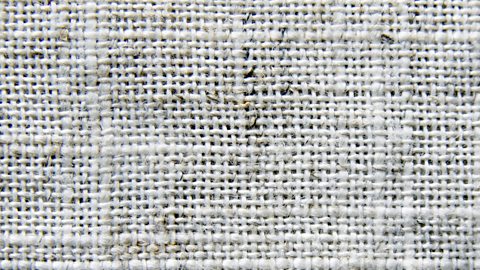
Image caption, Plain weave fabric
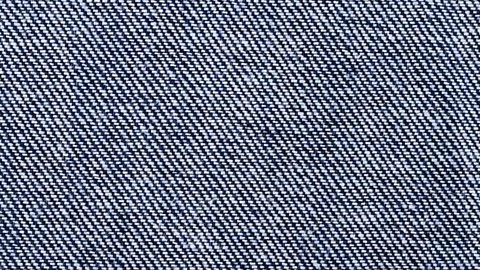
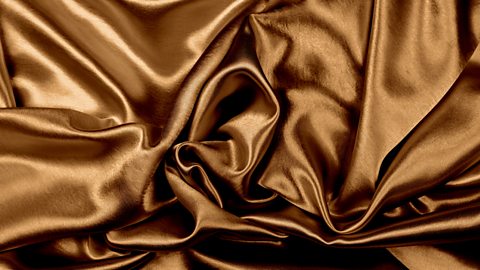
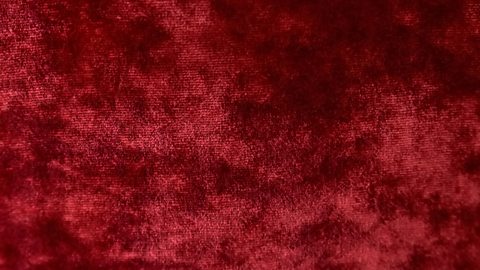
1 of 4
Knitted fabrics
Knitted fabrics are created by interlocking loops of yarn over each other to create a fabric that is more stretchy than a woven fabric- they are not always made from wool. There are two ways to knit a fabric:
- weft knit - created by looping long lengths of yarn together; if a stitch is dropped, it will cause a ladder to run down the length of the fabric; used in socks, tights and jumpers
- warp knit - created by a knitting machine interlocking the yarn along the length of the fabric; as a result, they do not ladder; used in swimwear, underwear and A textile fabric used to improve drainage where soil and rock materials may cause water to sit on the surface.
Image caption, Weft knitted fabric
1 of 2
Non-woven fabrics
A fabric that is bonded together by chemical, rather than being woven fabrics turn the fibres into fabrics without first spinning them but, instead, by A fabric that is made by compressing fibres together. or To attach one material to another with adhesive. them.
- felted - the most common is made from wool fibres matted together using moisture, heat and pressure; it has little strength, drape or elasticity and is expensive but is warm and does not fray; used for hats, slippers and in handcrafts
- bonded - made from webs of synthetic fibres bonded together with heat or adhesives; they are cheap to produce, easy to sew, crease-resistant, do not fray and are stable to washing and dry-cleaning - but are not as strong as woven or knitted fabrics; mainly used for The addition of material that lies behind the chosen product fabric.
