Brian's Weekly Sleevenotes 10 October 2015
The backstory behind some of the tracks on the show...

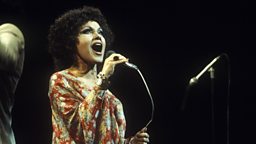
Downtown - Petula Clark - (1964)
One of the many classic songs written by Tony Hatch, “Downtown” became Petula Clark’s first hit in America where it went all the way to number one making her the first female singer from the UK since 1955 to achieve this accolade. The song also won a Grammy in 1965 for Best Rock & Roll Recording, making Clark the first British singer to win such an award.
Nice ‘N’ Greasy - Lou Donaldson - (1962)
Taken from jazz saxophonist, Lou Donaldson’s 1962 Blue Note album, “The Natural Soul” “Nice And Greasy” was composed by pianist John Adriano Acea and features alongside Lou, musicians guitarist, Grant Green, trumpeter, Tommy Turrentine, keyboard player Big John Patton and Ben Dixon the resident house drummer for Blue Note Records.
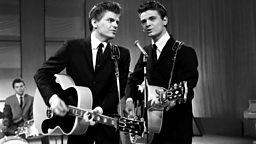
Crying In The Rain - The Everly Brothers - (1962)
Written by two songwriters who both normally known for their work with a different partner, Carole King who was normally associated with her work with her then husband, Gerry Goffin and Howard Greenfield who came up with a string of hits with Neil Sedaka. This was the only hit song that the pair wrote together. It’s also interesting to note that after sixteen UK top twenty hits including four number ones, this was their first hit song The Everly Brothers recorded that came out of the legendary New York Brill building.
Don’t Look Back - Them - (1965)
Track two on side two of the first album by Them, “The Angry Young Them” was written by John Lee Hooker and was considered to feature one of Van Morrison’s best vocal performances of his recording career. The name of the group didn’t even appear on the front of the album cover but on the back the description declared: “These five young rebels are outrageously true to themselves. Defiant! Angry! Sad! They are honest to the point of insult!”
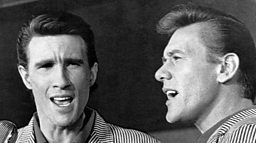
Unchained Melody - The Righteous Brothers - (1965)
This version “Unchained Melody” returned to both the British and American charts in 1990 when it was featured in the movie, “Ghost” starring Patrick Swayze and Demi Moore, topping the charts here and reaching number nineteen in the States. The song written by Alex North and Hy Zaret first appeared in the 1955 movie, “Unchained”, that takes place in a prison and the song reflects the mood of the inmates as they wait for time to pass. It stars former American footballer, Elroy ‘Crazy Legs’ Hirsch and a black singer named Todd Duncan who went on to become a vocal instructor after he sang the movie version.
Moving Away - Lesley Duncan & The Jokers - (1963)
Lesley Duncan was considered one of Britain’s first female singer-song writers with her best known composition, “Love Song” that Elton John recorded for his album, “Tumbleweed Connection” and went on to be covered by over a hundred other artists. She was also one of the county’s top session singers, most notably working with Dusty Springfield as well as recording several solo singles and albums. In 1963 she released her first single, “I Want A Steady Guy” with the ‘B’ side, ‘Moving Away” as Lesley Duncan & The Jokers for Parlophone, later she signed to a number of other major labels including Mercury, RCA and CBS. In March, 2010, Lesley died following an extended illness.
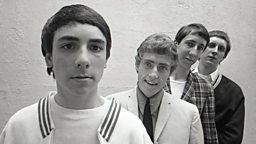
I’m The Face - The High Numbers - (1964)
This is almost the first single by The Who when they were called The High Numbers. Originally released on July 3rd, 1964 on the Fontana label, the lyrics were written by their then manager, Peter Meardon who was a big fan of American R&B. He set his lyrics to the melody of Slim Harpo’s 1957 track, “Got Love If You Want It”. When “I’m The Face” failed to chart, Fontana dropped the group and they changed their name to The Who signing to Brunswick where they achieved five top ten hits before moving to Reaction.
So Many Roads, So Many Trains - Otis Rush - (1960)
Otis Rush was born near Philadelphia and learned his instrument from listening to blues on the radio Whilst visiting his sister in Chicago, he was taken to see a performance by Muddy Waters and decided that he wanted a career as a musician. Purchasing a guitar he practised whenever possible. One night the guitarist at a local club failed to turn up and Otis was offered $5 to take his place that led to him gaining a residency leading to bigger and better venues by which time he had formed his own band. In 1956 he was signed to the newly formed Cobra Records where the label’s first release was his version of the Willie Dixon song “I Can’t Quit You Baby” and became a national R&B hit. When Cobra collapsed in 1959, he signed to Chess where only eight of his tracks were released this being the best remembered.

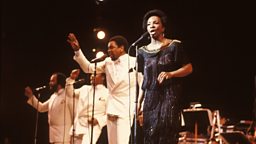
Bernadette - The Four Tops - (1967)
As with many of The Four Tops hits, the song was written by Brian Holland, Lamont Dozier and Edward Holland Jnr. When they wrote the song, Brian was going out with a girl whose middle name was Bernadette and coincidentally Edward had a different date with the same name unbeknown to the other two composers. It also transpired that Lamont had a crush on a beautiful Italian girl named Bernadette but who had eyes for somebody else. He never told her but used her as inspiration for writing many songs. All three girls though thought the song was about them. Motown boss Berry Gordy Jnr hated the false ending on the disc when the backing singers went’ ahhhh’. He told the writers that it should have stopped and started on the beat, but they refused to change it on the grounds they wanted to throw the listener off course and give them something to think about.
Do-Re-Mi - Tom Rush - (1965)
Tom Rush hails from Portsmouth on New Hampshire’s miniature sea coast in America, educated at Harvard, he interrupted his studies several times to travel and on visiting Europe in the early sixties, made a living singing on the streets of Paris and London, recording his first album, “Live At The Unicorn” on a tiny label that folded soon after the release. After two more LP’s for Prestige, he signed to Elektra in 1965 releasing his eponymous album that year which has now been made available on CD through BGO Records along with his second Elektra release, “Take A Little Walk With Me,” but from “Tom Rush” we’ve selected the Woody Guthrie song, “Do-Re-Me” about the dust bowl farmers who migrated to California in search of work.

I’ll Do Anything (Anything She Wants Me To Do) - Lenny Gamble - (1969)
As promised on Side one, a second track from Cherry Red’s three CD box set of fifty-seven tracks from the Casino Classics label that would release material from other labels’ back catalogue that were receiving good responses from the Northern Soul scene. In 1969, record collector, Ady Croasdell tricked many club DJ’s by cutting a white label of a track from Tony Blackburn’s eponymous Polydor album and covering up his identity by naming him Lenny Gamble. The song, “I’ll Do Anything (Anything She Wants Me To)” had previously been recorded by Doris Troy and Tony’s cover was sent to Wigan Casino DJ Keith Minshull who featured it in his set and the dancers enjoyed embracing the track.
In The Bad, Bad Old Days (Before You Loved Me) - The Foundations - (1969)
This became The Foundations’ fourth and final UK single to make the top forty. Lead singer, Clem Curtis later went on to pursue a solo career in 1968. Colin Young replaced him on this track and their previous hit, “Build Me Up Buttercup” before they finally disbanded in 1970. Curtis later formed The New Foundations but with little success.
![]()
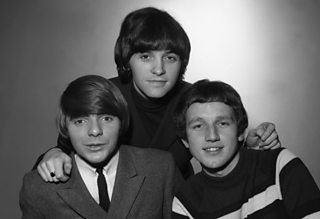
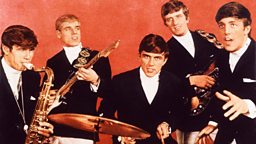
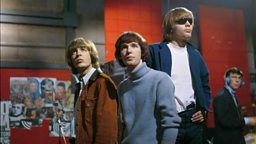
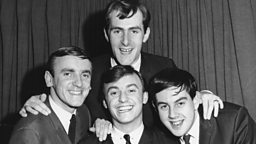
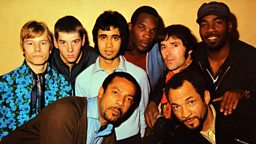
The Mindbenders
Will the band sink or swim when Wayne Fontana leaves?