Brian's Weekly Sleevenotes - 20 September 14
Baby Workout - Jackie Wilson
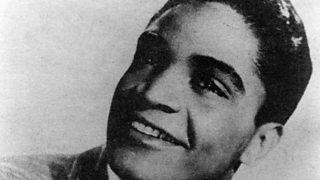
Jackie was born in Detroit, Michigan and as a youngster was forever in trouble whilst being a member of a rough gang called The Shakers. Sentenced to juvenile detention twice, he dropped out of school at the age of fifteen and took up boxing winning Detroit’s Golden Gloves award at the age of sixteen. The following year he was married and soon became a father making him decide to give up boxing in favour of a career as a singer. He formed his first group with close relative, Levi Stubbs who later became the leading light in The Four Tops. He then joined a group called the Thrillers that evolved into The Royals and later the legendary R&B group, The Midnighters. He then replaced Clyde McPhatter in The Dominoes and in 1957 launched his solo career when he signed to the Brunswick label and released his first single, 'Reet Petite', leading on to a string of American hits.
Waterloo Sunset - The Kinks
The group’s tenth of eleven top ten hits achieved by them in the sixties written by Ray Davies, a song he began working on several years prior to its release and originally called it 'Liverpool Sunset' but decided to change the title and lyric so it wouldn’t appear as a rip off from The Beatles’ 'Penny Lane'. This became the first Kinks single to have been produced solely by Davis without the help of Shel Talmy who had been involved with most of their previous hits. The recording took ten hours to complete and was featured on their fifth album, 'Something Else'. Initially Davies was reluctant to share the lyrics of the song with the rest of the group because they were so personal.
I'll Get You - The Beatles
This was the ‘B’ side to their number one hit, 'She Loves You' and was originally titled, 'Get You In The End'. A mistake occurs halfway through the track when Paul sings, ‘I’m gonna change your mind’ but John uses the lyric ‘when I’m gonna make you mine.’ We can only assume that due to time restrictions on those early sessions, there was no time to correct the mistake whoever made it.
No Regrets - Shirley Bassey
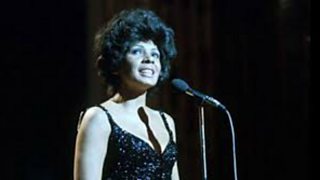
Written by French composers, Charles Dumont and Michel Vaucaire as 'Non Je Ne Regrette Rien' in 1956, the song was made famous by Edith Piaf’s 1960 recording that she dedicated to The French Foreign Legion that has since become part of their heritage and is sung when they’re on parade. When Shirley Bassey decided to record a version in English, she discovered that a lyric had been provided by Hal David.
Seesaw Of Dreams - Shirley Bassey
Record producer and lyricist, Norman Newell had a great knack of finding foreign songs, adding English words and turning them into successful material for his artists. 'Seesaw Of Dreams' was of Italian origin, composed by, according to the record label, Ciampiero Rolandi and Nello Sergurini without any credit as to who supplied the English words, one can only assume it was the work of the late Mr Newell. The song was again recorded two year later by Libby Morris on her album, 'It’s My Life' with exactly the same writer credits.
Complicated - The Rolling Stones
Written by Mick and Keith, 'Complicated' comes from The Rolling Stones’ 1967 album, 'Between The Buttons' with some of the songs recorded in Los Angeles during the group’s 1966 American tour and others competed in London on their return. The tracks were recorded on four track machines although Mick felt this caused some loss of clarity and rawness due to all the overdubs. In one interview he stated that he was really disappointed with the end result. Fans and media disagreed as they watched the album climb to number three on the LP charts.
See The Funny Little Clown - Bobby Goldsboro
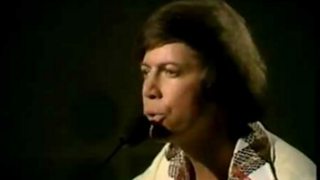
Bobby comes from Maryanna in Florida, his family moved to Dotham Alabama. He learned to play the guitar whilst at school and after a short spell as a session musician, he joined Roy Orbison’s backing band in January 1962. Orbison encouraged him to write his own songs and to pursue a solo career. In 1964, a friend took a home recording made by Bobby to Jack Gold, a senior executive at United Artists records in New York and after hearing him, took a plane to Alabama and signed him to an exclusive recording contract resulting in this being his first release reaching number nine on America’s Billboard Hot 100, with an eventual million sales by 1967.
Music To Watch Girls By - The Bob Crewe Generation
Bob Crewe has enjoyed enormous success as a songwriter, performing artist and most notably as a record producer. Although he neither reads nor plays any musical instruments, he would always surround himself in the studio with a core of regular musicians and it was in 1966 when he was assembling a team to make a big band album that a friend of his told him there was a piece of music called 'Music To Watch Girls By' being used in a soft drinks commercial and he should consider recording it. Learning that RCA were planning to bring out a version by trumpeter Al Hirt, Crewe contacted arranger Hutch Davie and assembled recording session that very same night making eighty copies that were sent special delivery to the top radio stations enabling Bob and his crew to beat any competition.
Walking The Dog - The Dennisons
Another Liverpudlian group who made such an impact at the Cavern Club that Decca Records rushed to sign them. Their first release, 'Be My Girl' managed to reach number forty-six but the follow up was their only single to make the top forty, a cover of the Rufus Thomas classic, 'Walking The Dog'. Their final single, 'Nobody Like My Baby', failed to chart and they broke up in 1966. Drummer, Clive Hornby went on to become a successful actor playing the part of Jack Sugden in the TV soap, 'Emmerdale' for twenty-eight years and became the longest serving character before his death in July, 2008 aged sixty-three.
Reach Out - I'll Be There - The Four Tops
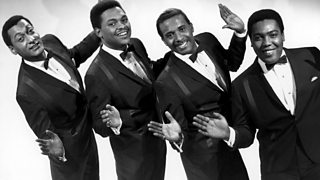
Considered by many to be one of the greatest Motown records ever went to the top of the American charts for two weeks towards the end of 1966 and for three weeks in the UK. Written and produced by Holland, Dozier and Holland, this was a far cry from anything that the label had produced in the past with the use of flutes, oboes and Arabian drums. The record was almost rejected at Motown’s weekly product meeting, Smokey Robinson didn’t think it was a hit but on this occasion was fortunately overruled by label boss, Berry Gordy.
I Had Too Much To Dream Last Night - The Electric Prunes
Originally from Seattle, they were formed in Los Angeles in 1965 and originally named The Sanctions. They were introduced to record producer, Dave Hassinger and after being signed to frank Sinatra’s reprise label and allowed to rehearse at Leon Russell’s home, they released their debut single, 'Ain’t It Hard' and despite its lack of success, the label agreed to give them another shot. Convinced the band were not up to writing their own material, they were given, 'I Had Too Much To Dream Last Night', a song that was written by way of an experiment by Annette Tucker and Nancie Mantz that gave the group their first major American hit.
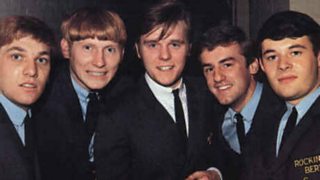
He's In Town - The Rockin’ Berries
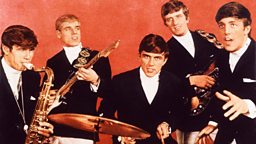
The very week the group’s previous release, 'I Didn’t Mean To Hurt You' made an appearance just outside the top forty, Pye decided to release 'He’s In Town', killing off any chance of the other record climbing any higher. The reason being that after hearing 'He’s In Town' everyone became very excited but word was out that the original version by The Tokens was about to be released, so Pye had no alternative but to rush out The Berries own recording to compete. The gamble paid off and they had their first top ten hit.
You can find out more about the Rockin' Berries AND The Tokens in Bob Stanley's feature blog this week here.
![]()
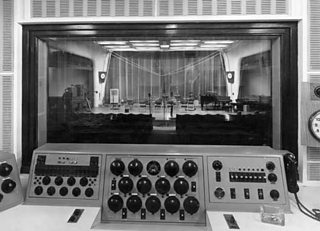
The BBC Studios in 60s London
Brian explains where all our favourite programmes were made in the 60s
![]()
The Tokens and The Rockin' Berries
Bob Stanley takes a look at two infamous 60s bands