Brian's Weekly Sleevenotes - 14 February 15
Bye Bye Love - Ray Charles
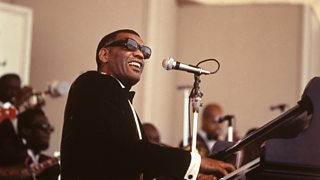
In 1962, ABC Paramount boss, Sid Feller received a phone call from Ray Charles asking him for a list of the top country and western hits of the past twenty years. Confused by the request, he duly gathered the titles together before learning that Ray planned to record an album of some of the material. The result was 'Modern Sounds In Country And Western Music Vol 1' that became one of Ray’s best selling LP’s that opened with the Felice and Boudleaux Bryant classic, 'Bye Bye Love', that was the 1957 debut hit for The Everly Brothers.
Eso Beso (That Kiss) - Paul Anka
After a string of hits over a five year period whilst signed to ABC Paramount Records, in 1961 Paul Anka was offered and accepted a more fruitful deal with RCA where his material was aimed more at the adult market and his first release was his US and UK 1962 top twenty hit, 'Love Me Warm And Tender'. One song that clearly illustrated his new course in style was his flirtation with the popular Brazilian bossa nova music on 'Eso Beso (That Kiss)' that although a top twenty hit in the States, failed to register here.
My Baby's Coming Home - New Formula
New Formula were a quintet from Corby in Northamptonshire signed to Pye in 1967 after many of the artists on their subsidiary label, Piccadilly was absorbed into the one company. 'My Baby’s Coming Home' became the group’s second single and was written by the successful team of Tony Macaulay and John MacLeod, after which they were given one further chance with a version of 'Hare Krishna' from the musical, 'Hair' but after that also failed to chart, their only other release was from their contract with Pye.
We Have All The Time In The World - Louis Armstrong
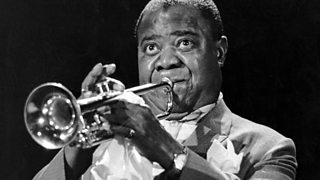
Written by John Barry and Hal David, featured as the secondary musical theme to the 1969 James Bond Movie, 'On Her Majesty’s Secret Service' and was the first Bond film after the departure of Sean Connery in the leading role who was replaced for this one outing by unknown actor George Lazenby. It was also the only Bond film to have been directed by Peter R Hunt who had served as a film editor and second unit director on previous films in the series. 'We Have All The Time In The World' were the final words spoken by Bond at the end of the novel and movie but the song failed to chart when first released in 1969 but reached number three when re-issued in 1994 following its use in a beer advert. It also proved to be Louis Armstrong’s final commercial recording, he died in 1971 and was too ill to play his trumpet on the record.
Tonight's The Night - The Chiffons
This cover of an early American hit by The Shirelles recorded by The Chiffons in 1960 was always believed to have been the girl group that later had success with 'He’s So Fine' and 'One Fine Day' but further investigations revealed that this recording was by a group of unknowns from the West Coast whose only record appeared on the even lesser known and only release for the Big Deal label based in Chatsworth, a then quiet and undistinguished suburb of Los Angeles, a location where cowboy movies were sometimes filmed.
It Makes No Difference Now - Ray Charles
After the outstanding success of 'Modern Sounds In Country And Western Music Vol 1', Ray brought out a second volume the following year in 1963 and although it sold well and reached number fifteen on the album charts, it didn’t have quite the same impact as the original volume on which some of the beat songs had been sifted from stacks of material collected from top music publishers and all familiar to the country and western fans. The second track on side two of the album, 'It Makes No Difference Now' was written by Floyd Tillman and Jimmie Davis who served for two nonconsecutive terms from 1944 to 1948 and from 1960 to 1964 as the governor of his native Louisiana, USA with early versions of the song recorded by amongst others, Gene Autry, Bing Crosby and Hank Snow.
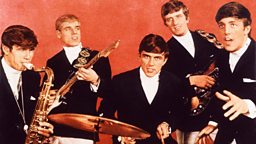
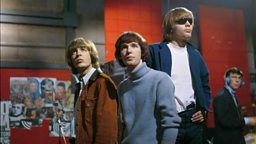
Fox On The Run - Manfred Mann
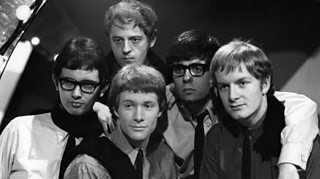
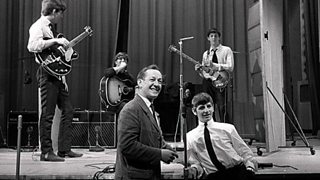
Written by Tony Hazzard, this gave Manfred Mann their fourteenth and penultimate UK top twenty hit ending the run with 'Ragamuffin Man', during which time the group split up mainly due to frustrations of only being recognised as a singles act and having to record material aimed straight at the charts. Manfred himself went on to write jingles for TV adverts after the group's demise, as well as forming Manfred Mann Chapter Three with Mike Hugg. This was, however, short lived and by 1971 they had disbanded and Mann had formed his Earth Band.
Same Old Feeling - Marshall, Scott Etc
This is a long lost 45 by West Cumberland group originally known as Marshall Scott & The Deputies but after relocating to London where they landed a contract with EMI, were asked to shorten their name so they became Marshall, Scott Etc. The plan was for them to be produced by George Martin but due to his commitments to The Beatles, they were passed over to Walter Ridley who was responsible for their debut single on HMV, 'Same Old Feeling', a song written by Nickolas Ashford, Valerie Simpson and Josephine Armstead and originally recorded by Jo Ann Campbell and Troy Seals as Jo Ann and Troy. At the completion of the recording at EMI’s Abbey Road studios the group were told that The Beatles would soon be along to record 'Paperback Writer' and were invited to stay for the session but said "nah, we’re going for a pint".
For You - Rick Nelson
Influenced by his parents, Ozzie and Harriet, Rick was persuaded to record some songs from their youth as they considered this move would prove to give their son a longer career. Ozzie was delighted when 'Fools Rush In' began climbing the charts and although Rick was uncomfortable with this kind of material, he went on to record 'For You', a song popularised by Glen Gray in 1933, however it turned out to be his last American top forty hit for nearly six years and his last ever in the UK.
Dearest One - Lamont Dozier
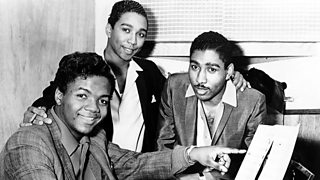
Three years into the life of Motown records, the third member of their most successful writing team, Holland, Dozier and Holland, Lamont Dozier finally made his debut as a performer for the subsidiary label, Mel-o-dy. He had previously released a novelty record, 'Popeye The Sailor Man', under the name of Lamont Anthony but the cartoon company had the record withdrawn because of the unauthorised use of the cartoon character’s name. He then re-recorded it as 'Benny The Skinny Man', but it didn’t have the same appeal. The song, 'Dearest One' was later reworked into 'Darling Baby', the song that launched The Elgins career.
The Vow - Sugar Simone
Arranged by Johnny Gregory this was produced by Lionel Segal, a co-founder of Strike Records although this single appeared on the CBS label. The song was written by Sugar Simone who was born Keith "Sugar" Simone in Jamaica but headed to Britain in 1961 and two years later he was signed to Carnival Records where he cut a handful of singles before moving to the Island label where he also recorded under the name of Tito Simon. His records fared better in Europe taking him on tour to Germany, Spain, Italy and Switzerland where this 1968 recording of 'The Vow' found its way into the country’s charts.
![]()
Manfred Mann
More of an art collective than a beat group
![]()
Brian's rapport with his guests
Brian shares more memories with Bob Stanley