Brian's Weekly Sleevenotes - 06 February 16
From Little Richard to The Big O and more – the stories behind this week’s playlist
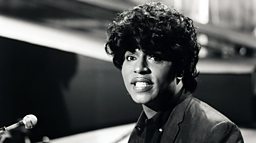
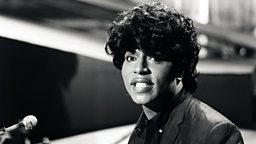
Bama Lama Bama Loo - Little Richard (1964)
This was Little Richard's last single to make the British top twenty but didn’t fare so well in America where it only reached number eighty-two in their hot 100. With the arrival of The Beatles and other Liverpudlian groups, Richard decided to forgo his usual sax break for this record in favour of a stinging guitar solo. Soon after the success of this record in the UK, a guitarist who wanted to be known as Maurice James joined Richard’s band, touring and playing on several of his later records as well as growing a moustache similar to that of his boss, Mr James was none other than Jimi Hendrix.
Run Baby Run - The Newbeats (1965)
The full title, ‘Run Baby Run (Back Into My Arms)’ became a Northern Soul hit in the UK when club DJ’s and more to the point, DJ’s at Blackpool’s famous Highland Room, began spinning the record in 1971, forcing the record label to re-issue it and propelling it into our pop charts and reaching number ten almost six years after its initial release and coincidentally reaching its highest chart placing in exactly the same week it peaked at number twelve in America six years earlier. You can find out much more about the Northern Soul Scene by heading to this weeks feature blog where Bob Stanley has written exclusively about the music and venues.
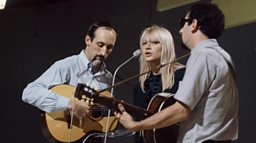
I Dig Rock And Roll Music - Peter, Paul & Mary (1967)
Taken from their 1967 album titled, ‘Album 1700’ that was considered a landmark release for the trio, boasting an exceptional selection of material and benefited from the engineering and production work of Phil Ramone who went on to produce hits by dozens of other acts including Elton John, Billy Joel, Paul Simon and Rod Stewart. ‘I Dig Rock And Roll Music’, was released as a single and was an affectionate send up of the music of the flower power era.
Cinderella Rockafella - Esther & Abi Ofarim (1968)
The song was written by guitarist and singer Mason Williams and Nancy Ames as a novelty song to be performed on The Smothers Brothers TV Show. Esther and Abi got to hear it and included it on their 1967 album, Two In Three’ consisting of thirteen songs in eight different languages recorded in three separate cities, London, Paris and Munich. When asked to appear on the Eamonn Andrews Sunday night TV show in 1967, they chose to perform the song and the response was so great that their record label, Philips rushed it out as a single.
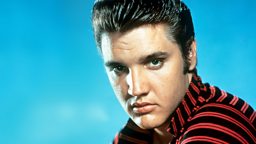
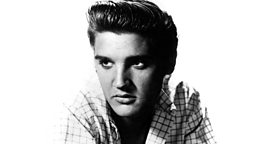
A Mess Of Blues - Elvis Presley (1960)
Song writers Doc Pomus and Mort Shuman first approached Elvis Presley with their song, ‘Turn Me Loose’ which he turned down but later became a hit for Fabian. They then took him ‘A Mess Of Blues’ that he immediately recorded and was issued as the ‘B’ side to ‘It’s Now Or Never’ in America but with copyright problems with its release in the UK, his label, RCA decided to issue ‘A Mess Of Blues’ on its own whilst the problem was resolved resulting in both songs eventually becoming massive hits.
You Don’t Know What You’ve Got - Ral Donner (1961)
Chicago born Ral Donner was a huge Elvis Presley fan and based his singing career on being a sound alike of ‘the king.’ In 1961, he achieved his only UK hit and an American number four with his million selling, ‘You Don’t Know What You’ve Got (Until You Lose It)’ that was the follow up to another American top twenty hit, the cover of Elvis’ ‘‘Girl Of My Best Friend.’ Donner was also the narrator of the 1981 documentary movie, ‘This Is Elvis’.
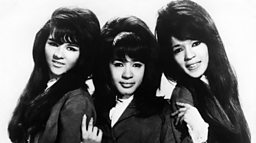
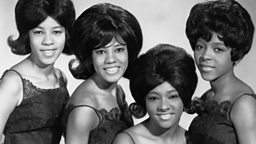
You Came, You Saw You Conquered - The Ronettes (1969)
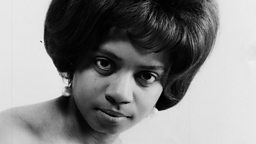
The Ronettes’ final single of the sixties, ‘You Came, You Saw, You Conquered’ was in fact performed by Veronica Bennett and session singers. A&M Records had signed the act with the prospect of delivering an album but this was the only track they completed and when the record failed to hit, the entire project was cancelled. A UK cover version of ‘You Came, You Saw, You Conquered’ made the top forty in 1972 by The Pearls and was produced by ‘the collector’.
Never My Love - The Casuals (1969)
The Casuals were the outright winners of ‘Opportunity Knocks’ for three weeks running in 1968 and were immediately signed to Decca achieving their one major hit, ‘Jesamine’ that was held off the number one spot by ‘Those Were The Days’ sung by another ‘Opportunity Knocks’ winner,’ Mary Hopkin. Unfortunately their first and only album, ‘Hour World’ was released too late to cash in on the success of their hit despite containing a fine collection of songs including their cover of The Association’s ‘Never My Love’.

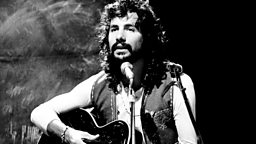
Jennifer Juniper - Donovan (1968)
Released in February, 1968, the song was written by Donovan about Jennifer, the sister of George Harrison’s wife at the time, Patti Boyd. Juniper was the name of a boutique that was run by Jennifer who married Mick Fleetwood but divorced him only to marry him again before leaving him for Ian Wallace, once the drummer with King Crimson. The B-side of the single ‘Poor Cow’ is a song produced for the Ken Loach film of the same name.
The Night Has A Thousand Eyes - Bobby Vee (1963)
‘The Night Has A Thousand Eyes’ reached the same chart position both here and in America and became Bobby’s eighth and final UK top twenty hit. Written by Dorothy Wayne and Marilynn Garrett with Ben Weisman who was present at the recording session who was concerned that most of the studio time was taken up by producer, Snuff Garrett working with Bobby on the Burt Bacharach and Hal David song, ‘Anonymous Phone Call.’ Ben begged both singer and producer to save some time for his song and with only time at the end for just one complete take, when listening to the playback, Ben walked over to them claiming Bobby had sung wrong words in the line, ‘One Of These Days You’re Gonna Be Sorry,’ instead of ‘One Of These Days You’re Gonna Be Crying’ but no one took any notice and the record sold over a million copies.
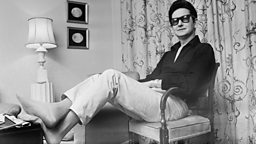
Cry Softly Lonely One - Roy Orbison (1967)
This is the title track to Roy’s 1967 album, ‘Cry Softly Lonely One,’ and was written by Don Gant and former long time collaborator, Joe Melson who was in the studio singing the counter melody just as he had done on ‘Only The Lonely’ and several other of Roy’s sixties hits. . Orbison began work on the album in 1966 but the project was put on hold while he recorded songs for the soundtrack to his movie, ‘The Fastest Guitar Alive’ and then his Don Gibson tribute album. Work didn’t resume until May 1967.
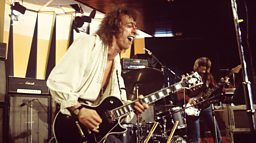
Baby’s Got Me Crying - Chicken Shack (1969)
Side one track one this week features the 1969 top ten album, ‘OK Ken’ by blues band, Chicken Shack. The title came about through saxophone player, Chris Wood who features on the album, began speaking to fictitious people named Doris and Cyril but the name that he used most was Ken that eventually he used to address everyone he met. The name stuck and ‘OK Ken’ became the title of the album which had as its opening track on side one, ‘Baby’s Got Me Crying’ written by the group’s vocalist and guitarist, Stan Webb.
![]()
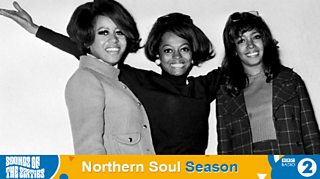
Northern Soul Season: The Supremes
The less appreciated northern soul music of the Supremes...
![]()
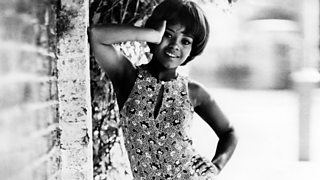
Northern Soul Season: The Making of P.P. Arnold
Bob Stanley on how P.P. Arnold became a northern soul star in her own right
![]()
Northern Soul Season: The Elgins
Bob Stanley on the hits that should have been...
![]()
Northern Soul Season: Robert Knight
Robert Knight and the northern soul tracks that were lost in their own popularity

![]()
Northern Soul Season: Van McCoy
Bob Stanley explains the widespread influence of Northern Soul artist, Van McCoy.

![]()
Sounds Of The Sixties - Top 10 Girl Groups
Sounds Of The Sixties - Best Girl Groups of the 1960s