Brian's Weekly Sleevenotes - 20 February 16
The stories and facts behind the classics and rareities in this weeks playlist...
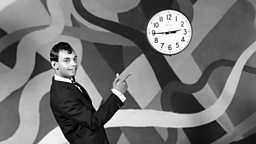
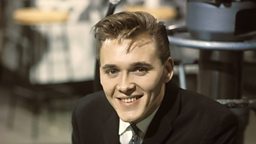
Quarter To Three - U. S. Bonds (1961)
The song started its life as an instrumental called ‘A Night With Daddy G’ by The Church Street Five. Songwriter and producer Frank Guida added lyrics, slowed down the tempo and gave the song to Gary US Bonds who took it to the top of the American charts. His real name is Gary Anderson but changed it so he could use the slogan, ‘buy US Bonds’ to promote his record, and although it worked to a degree, many DJ’s and fans made the mistake and thought it to be the name of a group so for future releases he became Gary US Bonds.
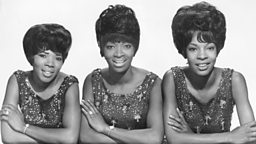
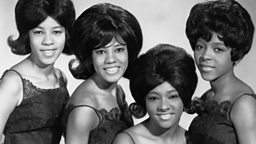
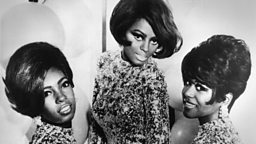
Where Did Our Love Go - The Supremes (1964)
This was a major breakthrough record for the girls, giving them their first taste of the UK charts as well as their first American number one. When The Supremes were reluctantly persuaded to record the song, they entered the studio with bad attitudes, a fact that co-composer Lamont Dozier believed was exactly what the song needed. When the girls then refused to learn the intricate backing vocal parts, they were told to just sing, ‘baby, baby, baby’ to get the record finished. Their approach actually worked to their advantage.
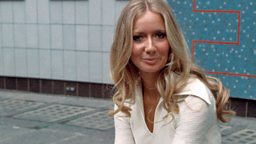
Biljo - Clodagh Rodgers (1969)
After seven years of record releases, Clodagh Rodgers finally made the charts in 1969 with 'Come Back And Shake Me’ reaching number three in the UK. Her follow up did almost as well when ‘Goodnight Midnight’ climbed to number four. With the backing of RCA Records and songs written and produced by Kenny Young it seemed as though Clodagh could do no wrong but then her next release made by the same team, the catchy ‘Biljo’ stalled at number twenty-two. It took another fifteen months before Clodagh was back in the top ten with ‘Jack In The Box’ selected as the UK’s entry into the Eurovision Song Contest’ that was placed fourth.
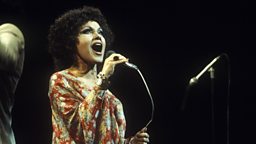
He’s Gotta Love Me - Elkie Brooks (1965)
Back in 1960, this lady was named Elaine Bookbinder, a fifteen year old from Manchester who after leaving school replied to an ad in a local newspaper placed by impresario Don Arden who was in search of new talent. Passing her audition, Arden signed her up and changed her name to Elkie Brooks and promoting her as the UK’s answer to Brenda Lee. She then had to wait until 1964 before being signed to Decca, releasing three unsuccessful singles after which she found herself on HMV and a song written by Kenny Lynch and Jerry Ragavoy, ‘He’s Gotta Love Me’. It wasn’t until 1977 that she finally found her breakthrough hit with ‘Pearl’s A Singer’.
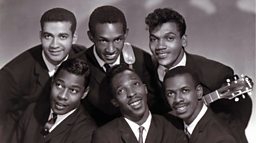
Just A Little Misunderstanding - The Contours (1967)
Co written by Stevie Wonder who also played drums The Contours’ recording of ‘Just A Little Misunderstanding’ that was first released in 1967 but reissued owing to its popularity in the Northern Soul Clubs. The Contours saw many changes in both line-up and musical styles beginning by recording doo-wop songs but found change when they recorded their original version of ‘Do You Love Me’ supported on stage by a wild dance routine.
Ain’t That Love - Little Stevie Wonder (1962)
Recorded and released in 1962, then named Little Stevie Wonder, paid tribute to one of his biggest influences, Ray Charles by recording an entire album of his material as ‘Tribute To Uncle Ray’. At the age of eleven, he displayed a soulfulness that few adults ever managed to achieve and as an added tribute, he wrote a new song, ‘Sunset’ that he performed in the style of Charles but this is his interpretation of Ray’s own song, ‘Ain’t That Love’.
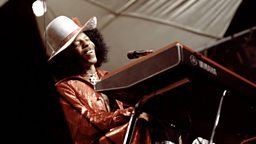
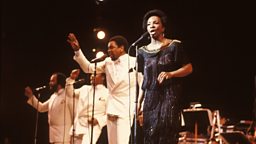
Everyday People - Sly & The Family Stone (1969)
This became the group’s first of three US number one hits topping their charts for four weeks but surprisingly became less of a success over here in the UK. Built around the composing and production talents of Sly Stewart, the record took a twelve week climb to the top of the American charts achieving their best selling single of their career. Three members of the band were siblings Freddie, Rose and charismatic Sly Stone. The ‘family’ also promoted a feeling of ‘togetherness’ by having a racially integrated, multi-gender lineup.
I Feel Free - Cream (1966)
This song was the first collaboration between British poet Pete Brown and the band’s Jack Bruce. It appeared on the American release of the album, ‘Fresh Cream’ but was excluded from the UK version as their manager and producer; Robert Stigwood thought it would detract sales from the single that became their second hit. It contains a solo by Eric Clapton played on a borrowed Les Paul guitar as his own had been stolen during album rehearsals. ‘Fresh Cream’ was also the first album to be released on producer, Robert Stigwood’s new independent Reaction label.
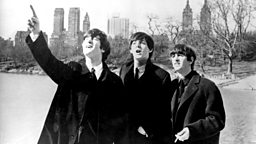
I Want To Hold Your Hand - The Beatles (1963)
This became the first ever UK single to pass the million sales mark in advanced orders, it was also their first American hit where it also topped the charts and their first single to be recorded on the new four track machine installed at EMI’s Abbey Road Studios. John Lennon had often claimed that this was his favourite of all The Beatles singles and within a week of its release it knocked the group’s previous hit, ‘She Loves You’ off the number one position.
Backfield In Motion - Mel & Tim (1969)
Mel and Tim were cousins Melvin McArthur Hardin and Hubert Timothy McPherson from Mississippi who travelled to Chicago where they gained a recording contract with the small Bamboo label owned by a relation of the two singers. They recorded their song, ‘Backfields In Motion’ that was an immediate success and became a 1969 American top ten hit selling over a million copies. In 1972 they signed to Stax where they had a further top twenty hit with ‘Starting All Over Again’.
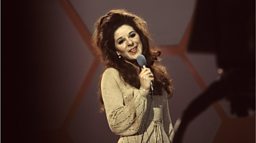
I’ll Never Fall In Love Again - Bobbie Gentry (1969)
Written by Burt Bacharach and Hal David, the song came from their 1968 musical, ‘Promises Promises’ and was nominated for a Grammy the following year. ‘I’ll Never Fall In Love Again’ received a major revival in 1990 when it was featured on the ‘Four Songs Of Bacharach and David EP' by Deacon Blue that reached number two in the UK. The song was a last minute addition to the show and because there was no time to write a full orchestral arrangement, it was originally performed on stage to just a solitary guitar accompaniment.
Crosstown Traffic - The Jimi Hendrix Experience (1969)
Written by Jimi Hendrix and taken from the album, ‘Electric Ladyland’ and unlike many of the other tracks on the album, ‘Crosstown Traffic’ features the rest of the line up of his band The Experience that included Noel Redding and Mitch Mitchell. Hendrix created the sound of a kazoo with the help of a comb and tissue paper whilst also playing the guitar and sang lead and backing vocals supported by Dave Mason.
![]()
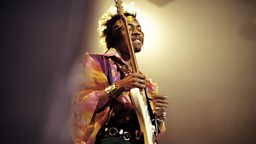
Northern Soul Season: The Contours
Northern Soul: The Contours
![]()
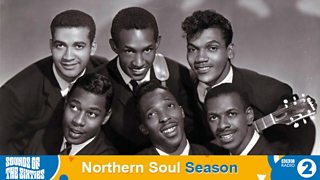
Northern Soul Season: The Supremes
The less appreciated northern soul music of the Supremes...
![]()
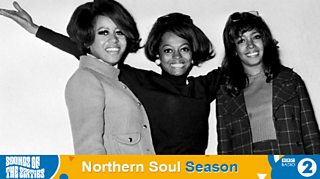
Northern Soul Season: The Making of P.P. Arnold
Bob Stanley on how P.P. Arnold became a northern soul star in her own right
![]()
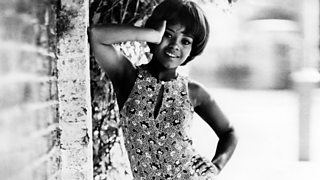
Northern Soul Season: The Elgins
Bob Stanley on the hits that should have been...
![]()
Northern Soul Season: Robert Knight
Robert Knight and the northern soul tracks that were lost in their own popularity

![]()
Northern Soul Season: Van McCoy
Bob Stanley explains the widespread influence of Northern Soul artist, Van McCoy.

![]()
Songs for Lovers - 15 of the 60s most romantic tracks
Need some help creating the right mood for Valentines day? The Sounds of the 60s team have picked their favourite tracks for a romantic weekend.
![]()
Sounds Of The Sixties - Top 10 Girl Groups
Sounds Of The Sixties - Best Girl Groups of the 1960s