Brian's Weekly Sleevenotes - 10 January 15
My Girl - The Temptations
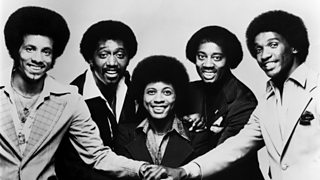
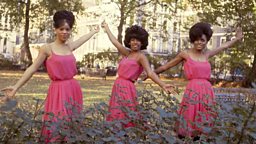
This was the original version of the song that gave Otis Redding his first solo UK hit. The Temptations’ recording of ‘My Girl’ topped the American charts in 1965 but only managed to make it to number forty-three in the UK due mainly to the success of the Redding recording. However, twenty-seven years later in 1992, they found themselves at number two in the UK after the record was re-issued having been used as the title song in the movie starring Macaulay Culkin and Dan Aykroyd.
Sing Me A Love Song - The Glories
The Glories were formed in New York and all three girls, Francis, Mildred and Betty, the latter being replaced by Dolores had all previously been members of various other girl groups. They achieved just one minor hit in America in 1967 with ‘I Stand Accused (Of Loving You)’ and although continued to turn out seven further ultra commercial singles, they never really managed to break through into the big time.
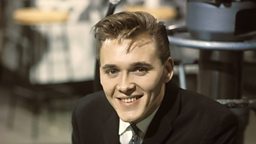
Move It Baby - Simon Scott
Simon Scott’s first release and only UK hit was written by Hubert Pattison. Scott was backed by his group, The Leroys and labelled by his record label, Parlophone, as the next Cliff Richard. Not only was he born in India as was Cliff but also his debut single had a similar title to Cliff’s first, ‘Move It’. He was launched with an enormous publicity campaign that extended to sending plaster statues to leading media people immortalising his good looks but alas the huge expense failed to reap the rewards for which many had hoped.
Jackson - Nancy Sinatra & Lee Hazlewood

Released as a double ‘A’ side with Nancy’s recording of The James Bond movie theme song ‘You Only Live Twice’, ‘Jackson’ was written by Jerry Leiber and Billy Ed Wheeler, who came up with the original idea and took it to Leiber who hated most of the lyrics. He suggested scrapping most of them but beginning the song with what was then the last verse. Despite protests from Lee that starting a song with the climax, Jerry helped re-write the words under the pseudonym of his wife’s name, Gaby Rogers and Billy recorded the song on his first album with Joan Sommer taking the female part, later to be copied by Johnny Cash and June Carter before Nancy and Lee decided to include it on this single.
Lover Please - Dennis Turner
The song was written by Billy Swan when he was in his teens and firstly recorded by The Rhythm Steppers for Bill Black’s Louis label. The company subsequently issued this more radio friendly version by Dennis Turner which created sufficient attention for Mercury Records to put in an offer to purchase the rights from Bill who turned them down so Mercury produced their own version with Clyde McPhatter which became an American top ten hit with a UK cover by The Vernons Girls. The more obscure Turner version is now available on a new twenty-five track ACE CD selected by the late Charlie Gillett of his Radio Picks and called ‘Honky Tonk Volume 2’ that also includes items by Irma Thomas, Ricky Nelson, Ike & Tina Turner and Billy Swan himself.
Walking My Cat Names Dog - Norma Tanega
Amazingly the record reached the same chart position of number twenty-two both here and in the USA. After graduation from college in Vallejo in California, Norma moved to New York to pursue a career in art and writing songs in her spare time. Taking a job as a music counsellor to earn some money she met another member of the facility, Herb Bernstein who introduced her to Bob Crewe who liked her music and signed her to his own New Voice label where she made her debut in 1966 with her only hit, ‘Walking My Cat Named Dog’ so titled because she wanted a dog as a pet but the apartment where she lived only allowed cats so she named hers dog and then wrote a song about her dilemma.
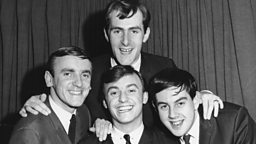
His Eye Is On The Sparrow - Lonnie Donegan

This track was produced by Tony Hatch and is believed to have been recorded at the same time as Lonnie’s last UK chart hit, ‘Pick A Bale Of Cotton’. The traditional song, ‘His Eye Is On The Sparrow’ was taken from his album, ‘Sing Hallelujah’ on which Lonnie was backed by his regular group and although not present on this track, many of the songs were augmented by vocal quartet, The Kestrels that included Roger Greenaway, Roger Cook and Tony Burrows.
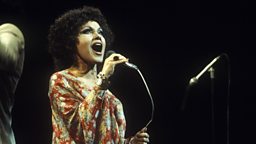
Secret Love - Kathy Kirby
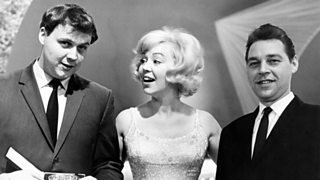
Her first single to break through into the top ten was an up-tempo cover of a song that had originally topped our charts for nine weeks in 1954 for Doris Day. It was written by Sammy Fain and Paul Francis Webster and first appeared in Doris’s movie, ‘Calamity Jane’ and received an Academy award for ‘Best Original Song’. Kathy’s 1963 version was arranged by Charles Blackwell, produced by Peter Sullivan and is another track that is believed to feature Jimmy Page on guitar. Find out more about the late Kathy Kirby, by clicking here.
Losin’ Boy - Eddy Giles
‘Losin’ Boy’ is the opening track on a new eighteen track Kent CD by Eddy Giles called ‘Southern Soul Brother’. His career began in the late fifties when he started his own label, Recco and purchasing the famous Bayou Record Shop in Louisiana from Shelby Singleton. He sang in local gospel groups in his youth but it wasn’t until 1967 that he agreed to record this more commercial song at a studio in Texas selling over ten thousand copies in Dallas alone and narrowly missed making the American Hot 100. Eddy released a number of further singles over the next few years but without hitting the sales highlight of ‘Losin’ Boy’.
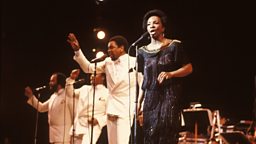
You Keep Me Hangin’ On - The Supremes
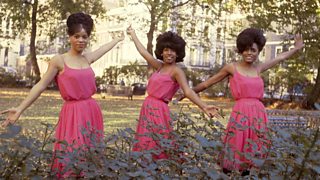
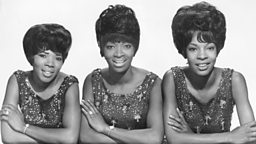
This became the girls eighth American number one and was a conscious effort to give the group a harder sound than on their previous singles. Lamont Dozier came up with the idea of the stuttering guitar line inspired by an American radio station’s signal for news flashes. It was played by Robert White, a guitarist for Motown’s studio backing band, The Funk Brothers and they recorded the song nine separate times before ending up with the version with which they were all satisfied.
Gangster Of Love - Johnny ‘Guitar’ Watson
The song started life as ‘Love Bandit’ which composer, Watson placed with the vocal group, The Cadets in 1956 after which he was signed as an artist to the Keen label where he re-wrote the song as ‘Gangster Of Love’ which would become his nick-name. By 1961 he had moved to King Records and in 1963 whilst recording a new album decided to re-record ‘Gangster Of Love’ that is now regarded as the definitive version although he had one further attempt at the song in 1978 after he’d signed a deal with Dick James’s DJM label.
Four Feather Falls - Michael Holliday
‘Four Feather Falls’ was a TV puppet series produced by Gerry Anderson based on an idea by Barry Gray who wrote all the songs and music for all thirty-nine episodes depicting a fictional 19th century Kansas town where the hero of the series was sheriff Tex Tucker whose speaking voice was supplied by Nicholas Parsons but when he sang, it was the late Michael Holliday who performed that role. Now the title song along with twenty-six other tracks have recently been released on the Great Voices Of The century label under the title of ‘Michael Holliday-Extended Play’ that includes tracks from many of the EP’s released by the singer during the fifties and early sixties.
God Bless The Children - Ron Dyson
Ronnie Dyson is probably best remembered for his 1971 top forty hit, ‘When You Get Right Down To It’ but his career took off in 1968 when he was only eighteen and landed a part in the Broadway production of the controversial musical, ‘Hair’ in which he opened the show with ‘Aquarius’ which appeared on the Soundtrack recording issued by RCA, during which time he was signed to Columbia Records and his first release ‘God Bless The Children’ appeared under his name of Ron Dyson and makes up part of a twenty-three track CD released by Soul Music Records under the title of ‘Ronnie Dyson-The Lady In Red: The Columbia Sides Plus’. In 1990 he died from heart failure at the young age of forty.
![]()
Phil Swern - The Record Producer
Phil talks about how he became a producer, accidentally specialising in reggae tracks.

![]()
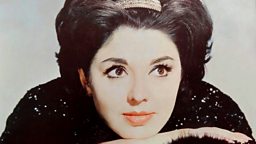
Kathy Kirby
Bob Stanley profiles the most glamorous British female singer of the early sixties.