Brian's Weekly Sleevenotes - 21 March 15
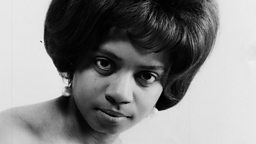
Don't Make Me Over - Dionne Warwick
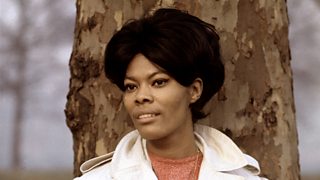
Written by Bacharach and David, that began their long lasting collaboration with Dionne Warwick. They first met when she was booked as a backing vocalist for a Drifters recording session. The single was released in America in November, 1962, and first pressings were issued with her name mis-spelt. According to one of her biographies, she decided to keep the wrongly spelt name of Warwick rather than Warrick.
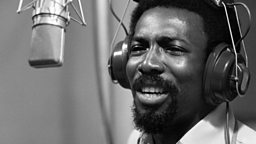
Soul Man - Sam & Dave
Written by David Porter and Isaac Hayes, and inspired by the chaos caused by the African-American Civil Rights Movement of the sixties. The record was issued on the Stax label and at the time of release became the most successful single to date for the company and was awarded a Grammy in 1968 for 'Best Rhythm And Blues Group Performance'.
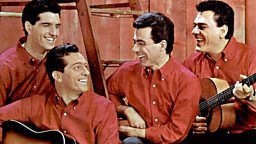
Walk Right In - The Rooftop Singers
The Rooftop Singers came together after Erik Darling decided to leave The Weavers after over four years of service with them to pursue a solo career on the emerging coffee house circuit in New York. Meanwhile and old childhood friend, Bill Svanoe was back in town toting a rare old twelve string guitar, re-strung so he could play it left handed. During one of their jamming sessions, Darling suggested they learned to play an old folk-blues song he knew that had been recorded in 1929 by Gus Cannon’s Jug Stompers, that song was 'Walk Right In' and adding singer, Lynne Taylor, they recorded it as The Rooftop Singers. The track is now included on a fantastic four CD set consisting of eighty-three tracks released by Ace Records, 'Vanguard Records-& The 1960’s Musical Revolution' that also includes tracks by artists including Pete Seeger, Joan Baez, Tom Paxton and Bob Dylan
Messin' With The Man - Muddy Waters
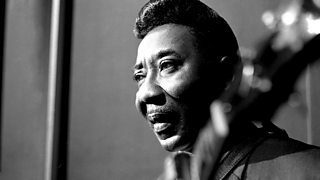
Originally titled 'Messin’ With The Kid' when recorded by Junior Wells in 1960, a year before it was recorded as an answer song, 'Messin’ With The Man' by Muddy Waters. The title was inspired by Wells’s young daughter Gina when his producer Mel London arrived early at his house to pick him up for a recording session. She looked at the clock and said, "you’re early, you’re not goin’ to be messin’ with the kid", the kid being a nickname for Wells.
Little Did You Know - The Techniques
Formed in Jamaica in 1962 by Winston Riley, The Techniques were spotted by a talent scout from Columbia Records whilst playing at a local club and saw the release of their first record, 'No One' that only gained a release in the UK. They had to wait until 1965 when they were introduced to producer Duke Reid who was at the controls for their Jamaican debut, 'Little Did You Know It' on his own Treasure Isle label. The record featured Slim Smith on lead vocals along with trumpeter Baba Brooks whose band provided the accompaniment on the backing track. In 1966 Smith left the group to pursue a solo career and later forming The Uniques and was replaced by Pat Kelly.
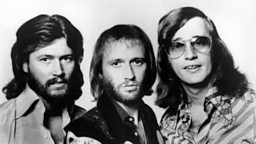
You'll Never See My Face Again - The Bee Gees
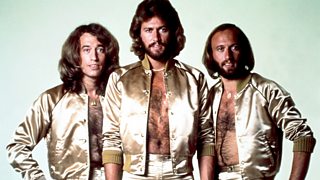
Taken from their double album, 'Odessa' and is one of the tracks that gave an indication of the more earthier approach that the group would adopt for their next project, 'Cucumber Castle' which was also the title of their TV special, it was also the first Bee Gees album not to feature any contribution from Robin Gibb who had left the group before recording of the project had begun. The basic track was recorded by the rest of the brothers in October 1968 but wasn’t completed until the end of the year with orchestrations added by arranger, Bill Shepherd.
Run Boy Run - Lee Hazlewood
'Trouble Is A Lonesome Town' was the first solo album by songwriter Lee Hazlewood with the concept of songs about a fictitious town loosely based on his birthplace with Lee giving a narration at the beginning of each track with songs about prison, railroads and trains and cold hearted love songs peppered with outlaws, card players and roving women. The album cover depicts Lee sitting on the railroad tracks with his guitar and a dangling cigarette -- spinning out intricate yarns about all manner of interesting souls with names like Orville Dobkins and Emory Zickfoose Brown, all residents of the hard-scrabbled town "Trouble".
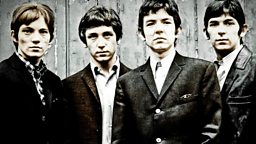
There's A Kind of Hush - Herman’s Hermits
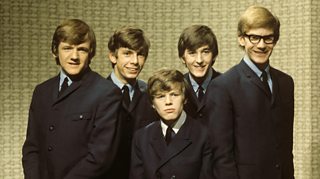
Written by Geoff Stephens and Les Reed, this became the group’s eleventh consecutive top forty hit in the UK and their fourteenth in America where it was released as a double "A" side with 'No Milk Today'. 'There’s A Kind Of Hush' returned to our charts in 1976 when it was successfully recorded by The Carpenters although the first known version was by The New Vaudeville Band on their debut album.
Ready, Willing and Able - Jimmy Holliday & Clydie King
Jimmy Holiday from Durant, Mississippi had an early interest in boxing but gave up the sport when he began to lose his fights and turned his mind to his love of jazz starting his own band in which he played the sax. Later discovering his talent to write songs he made his recording debut in 1958 with 'Voice Of The Drums' for the small Hollywood based Four Star label. He then waited until 1963 for his next release, 'How Can I Forget' when signed to another small organisation, Everest. That same year Liberty Records bought the Minit label and soon closed it down but reactivated it for their soul output in 1966 and offered Jimmy a contract where he made a number of recordings including this duet with Clydie King, his own composition, 'Ready Willing And Able'. Which is included on a new twenty-six track Ace CD, 'Jimmy Holiday-Spread Your Love-The Complete Minit Singles 1966-1970'.
![]()
Brian's Musical Talents
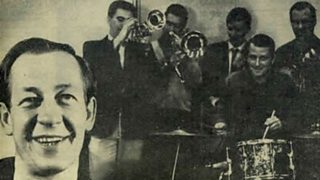
Bob Stanley finds out why Brian Matthew's singing career never took off
![]()
Stax Records
Bob Stanley dissects the history of the celebrated label