Brian's Weekly Sleevenotes - 30 January 16
Al Wilson to Led Zaeppelin and more in between – the stories behind this weeks playlist
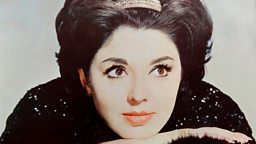
Mama Do The Twist - Susan Maughan (1961)
In 1960 whilst working as a vocalist with the Ronnie Hancox band, Susan made her first record, an EP of songs from the musical ‘Oliver’ with actor, David Kossoff. The following year she was signed to the Philips label and was also recruited as the female vocalist in the Ray Ellington Quartet who were best known for providing musical interludes into The Goon Show. Susan’s first solo release was ‘Mama Do The Twist’, creating sufficient interest for the label to record two further singles, ‘Baby Doll’ and ‘I’ve Got To Learn To Forget’, neither creating much interest, but fortunately the bosses at Philips decided to give Susan one more chance when producer Johnny Franz suggested Susan should record ‘Bobby’s Girl’ a cover of a proven American hit by New York newcomer, Marcie Blane. The record entered the UK charts on October 11th 1962, and climbed to number three.
Wooden Heart - Elvis Presley (1961)
Based on the German folk song, ‘Muss I' Denn Zum Städtele Hinaus’, and features Presley including some of the original German lyrics. He featured it in his movie, ‘G. I. Blues’ topping our charts for six weeks. RCA in America decided not to release the track as a single as several other Presley songs were already climbing the Hot 100 so Presley sound alike, Joe Dowell decided to cover it and ended up with a Stateside number one. It wasn’t until 1964 that Elvis’s version appeared on a US released single but even then it was confined to the ‘B’ side of ‘Blue Christmas’.
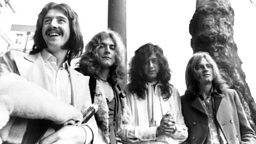
Living Loving Maid (She’s Just A Woman) - Led Zeppelin (1969)
Taken from their 1969 album, ‘Led Zeppelin II’ ‘Living Loving Maid (She’s A Woman)’ was written by Jimmy Page and Robert Plant and was also the ‘B’ side of their American single release, ‘Whole Lotta Love.’ A misprint on early copies of the album had the title as ‘Livin’ Lovin’ Wreck’ (She’s A Woman)’ before being corrected for later pressings. It was noted that it was one of Jimmy Page’s least favourite tracks and was never performed live but conversely Robert Plant took a liking to the song and included it on his 1990 solo tour.
Big Girls Don’t Cry - The Four Seasons (1962)
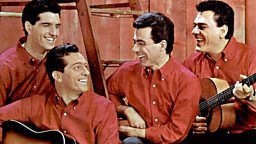
Amazingly, The Four Seasons’ first album, ‘Sherry’ named after their debut hit, was their only LP to enter the charts during the sixties. The opening track on side one, ‘Big Girls Don’t Cry’ became their second hit single and spent five weeks at the top of the American charts, it also became the title of their second album and was therefore omitted from all re-issues of ‘Sherry.’ The title of their second hit was taken from the John Payne movie, ‘Slightly Scarlet’ in which actress Rhonda Fleming was slapped across the face by the star and when asked what she thought about the slap replied, ‘big girls don’t cry'.
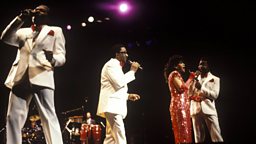
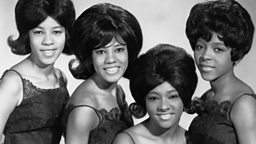
Heaven Must Have Sent You - The Elgins (1966)
Another case of a record becoming a hit several years after its first release thanks to plays in the Northern Soul Clubs. ‘Heaven Must Have Sent You’ by The Elgins was first released in 1966 to little response, climbing only as high as number fifty in America and didn’t even register in the UK until its re-release in 1971 when it reached number three. The group were considered a failure by Motown who dropped them which led to their break up. However, with the success in Britain of the re-issue, the group were encouraged to re-form and speculation began to rise that they might also re-sign to the Motown label. The idea was bolstered by the label’s rare decision to re-issue the single in the States where it fared less well and interest in the group began to fade once more. To find out more about the northern soul scene, click here for stacks of facts on the artists and their music supplied by our resident ‘blogger’ Bob Stanley.
Baby Roo - Connie Francis (1960)
Written by Neil Sedaka and Howard Greenfield, who had been responsible for some of Connie’s biggest hits including ‘Stupid Cupid’ and ‘Where The Boys Are’, this track was not issued as a single in America at the time it made the top five in the UK as a double ‘A’ side with the title song from her movie, ‘Where The Boys Are’. Although not included in the movie, it was thought it had been considered as one point in the film, Frank Gorshin, who played Connie’s boyfriend says, ‘what’s up baby roo?’
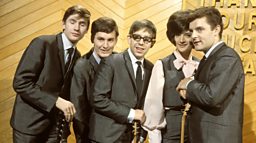
That’s The Way - The Honeycombs (1965)
After scoring a number one hit in 1964 with ‘Have I The Right’, The Honeycombs had to wait just over a year before they made the top twenty for the second and final time with ‘That’s The Way’. The group were formed in 1963 calling themselves The Sheratons and were spotted by songwriters Ken Howard and Alan Blaikley who introduced them to Joe Meek who in turn produced their records. The uniqueness of the group contained female drummer Honey Lantree and the rhythm guitarist was her brother John.
Peacefully Asleep - Life ‘N’ Soul (1967)
The group hailed from Manchester but gained a residency at Liverpool’s Le Phonograph Club before winning ‘Opportunity Knocks’ after which they relocated to London and joined a tour as the opening act alongside The Kinks, The Herd, Gary Walker and The Tremeloes. In 1967 Life ‘N’ Soul were signed to Decca and released two singles, 'Here Comes Yesterday Again’ preceded by their cover of Bobbie Gentry’s ‘Ode To Billy Joe’ which was backed with ‘Peacefully Asleep’ which would have made more sense being issued as the ‘A’ side.
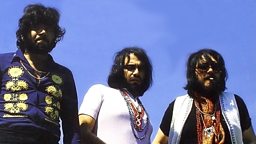
Rain And Tears - Aphrodite’s Child (1968)
Aphrodite’s Child act led by Demis Roussos signed their first recording contract with Mercury Records in Paris after the group were stranded there on their way to London from Greece. They went into the studio and recorded this, their debut single, ‘Rain And Tears’ based on Pachelbel’s famous ‘Canon In D,’ selling over a million copies around Europe where they became an overnight success despite the song being sung only in English.
I Wish You Would - The Ugly Ducklings (1967)
Formed in Toronto in 1965 and being big fans of The Rolling Stones, chose the name of The Strolling Bones but soon changed that to The Ugly Ducklings after landing a residency at a hip local night spot. Following the release of their debut single, ‘Nothin’’ in 1966, they had a wish come true by opening for The Stones at Canada’s Maple Leaf Gardens and cementing their own local popularity. They recorded three further singles before releasing their first LP, Somewhere Outside’ in the spring of 1967 it that included this song, ‘I Wish You Would’ written by legendary blues performer, Billy Boy Arnold.
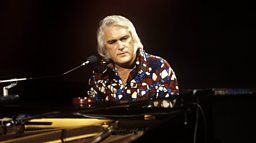
Mohair Sam - Charlie Rich (1965)
After being discharged from the air force in the mid fifties, Charlie Rich’s wife, Margaret Ann took some of his tapes to Sun Records, and convinced producer Bill Justis give him work as a session player before he cut his own record and composition, ‘Lonely Weekends’ in 1959 that became an American top forty hit. A string of unsuccessful records followed and in 1963 he signed to RCA but still the hits eluded him and he was dropped by the label. Jerry Kennedy who worked for the Smash label in Nashville, a subsidiary of Mercury, heard some of Charlie’s new material and although allowing him to record some of his own songs, augmented them with the work of other writers. Such was the case with Dallas Frasier song ‘Mohair Sam’ that re-established him back into the American Hot 100.
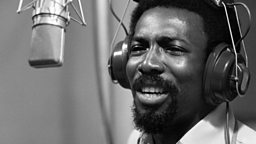
The Snake - Al Wilson (1968)
Born in Mississippi, Al Wilson had once been a member of the vocal group, The Jewels before joining The Rollers then The Souls. In 1966 he was signed to Johnny Rivers’ Soul City label where two years later, Rivers produced his first American hit, ‘The Snake’ written by Oscar Brown and reaching number twenty-seven. Despite a few plays on UK radio stations, the record made little impact here until 1975 when our northern soul friends picked up on the disc resulting in it becoming a minor hit when it reached number forty-one, but it wasn’t until 1973 that he topped the American charts with ‘Show And Tell.’ For more information on the northern soul scene, head over to our web page where you can find out much more from journalist Bob Stanley.
![]()
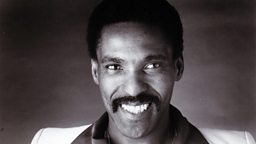
Northern Soul Season: The Elgins
Bob Stanley on the hits that should have been...
![]()
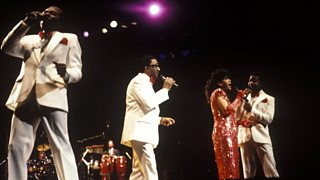
Northern Soul Season: Robert Knight
Robert Knight and the northern soul tracks that were lost in their own popularity

![]()
Northern Soul Season: Van McCoy
Bob Stanley explains the widespread influence of Northern Soul artist, Van McCoy.

![]()
Sounds Of The Sixties - Top 10 Girl Groups
Sounds Of The Sixties - Best Girl Groups of the 1960s