Brian's Weekly Sleevenotes - 27 September 14
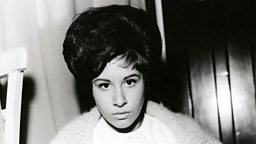
This Little Bird - Marianne Faithfull
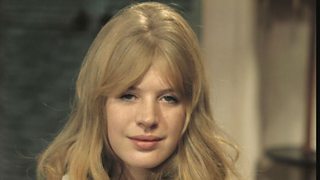
Written by John D Loudermilk, 'This Little Bird' became Marianne’s third of four consecutive top ten hits and released by Decca on 30th April, 1965, the same day the same label shockingly released a rival version by The Nashville Teens whose earlier success had been with two other Loudermilk songs, 'Tobacco Road' and 'Google Eye'. Because the group also had a staunch following, this probably dissipated the sales of both versions even though Marianne achieved a much higher chart placing.
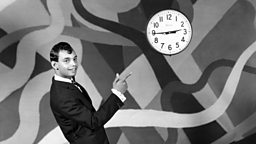
Football Crazy - Robin Hall & Jimmy McGregor
The duo are remembered as one of Scotland’s most popular folk duos who teamed up in 1959 after meeting in Vienna where they were playing at the same concert. Making their TV debut on BBC’s ‘Tonight’ programme introduced by Cliff Michelmore, they were subsequently booked to appear nightly for several years. In 1960 they released ‘Football Crazy’ on Decca that received considerable airplay and became one of their most popular songs without becoming a massive hit. In 1981 the duo called it a day as Robin’s health was deteriorating and he needed to stop performing.
Octopus - Syd Barrett
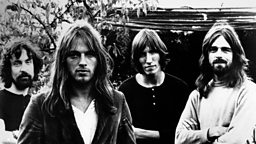
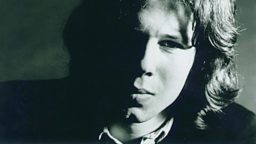
After Barrett departed from Pink Floyd in 1968, he went into the studio to record some solo material for an album but unfortunately the results were of such poor sound quality that the project was shelved and soon after Barrett was admitted into psychiatric care. The following year, a somewhat recovered Barrett decided to return to the studios and try and improve on some of the material from the previous sessions. One of the songs called 'Clowns And Jugglers', he rewrote as 'Octopus' and was released as his first single and also appeared on his debut album, 'The Madcap Laughs'.
You'll Never Walk Alone - Gerry & The Pacemakers
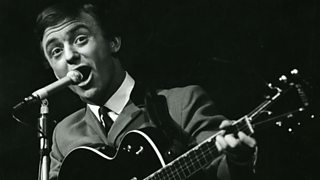
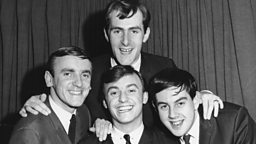
Gerry and The Pacemakers enjoyed four weeks at the top of the charts with their third and final number one that was the Rogers and Hammerstein classic, 'You’ll Never Walk Alone' and whose version soon became the anthem of Liverpool Football Club and is invariably sung by its supporters moments before the start of each home game. The words 'You'll Never Walk Alone' also feature in the club crest and on the Shankly Gate entrance to the stadium. The group had included the song in their stage act long before they decided to record it and producer George Martin had the idea to enhance the track by adding strings.
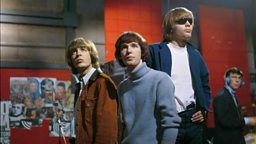
Green Green - The New Christie Minstrels
The New Christie Minstrels were founded by folk singer, Randy Sparks who had the vision of putting together an ensemble of ten voices to create a big sound whilst maintaining the basic texture of a folk group. Taking the name from a 19th century performing institution formed by Edwin Pearce Christie, they released their debut album in 1962, winning a Grammy and a two year run on the American album charts. In 1963, there were several changes to their personnel including the arrival of Barry McGuire who made his first appearance with the group at The Troubadour in Los Angeles and a live album debut ‘In Person’ followed by ‘Ramblin’’ that included the Sparks and McGuire composition, ‘Green Green’ with Barry on lead vocals.
Alfie - Cilla Black
Although Burt Bacharach wanted Dionne Warwick to record his title song for the movie, 'Alfie' starring Michael Caine. Paramount Pictures insisted on a British performer and it was first offered to Sandie Shaw who turned it down. Cilla Black was then told the song had been composed especially for her, and although wasn’t over keen on recording it, agreed on the condition that Bacharach came to London to supervise the session and to her surprise, he agreed and flew into town during February 1966. Despite the record becoming a big hit, an alternative version by Cher was finally used over the closing credits of the film.
What Would I Be - Val Doonican
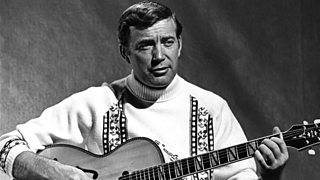
This song composed by Jackie Trent gave Val his biggest hit of his career and would have made number one if it hadn’t been for Tom Jones’s seven week run at the top of the charts with 'The Green Green Grass Of Home'. Val was the youngest of eight children and began performing in his hometown of Waterford in Ireland. Learning to play the drums, he joined a local band, before heading to England in 1951 where he became part of The Four Ramblers who often appeared on the BBC’s Light programme’s 'Music While You Work' broadcast live from factories around the country. In the early sixties, he went solo and in 1963 landed a booking on TV’s biggest variety show, 'Sunday Night At The London Palladium' that led to his own BBC-TV series
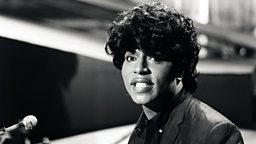
Ole Man River - The Righteous Brothers
The song was written by Jerome Kern and Oscar Hammerstein II for their 1927 Broadway musical, 'Showboat' in which it was performed by Jules Bledsoe and also gave Paul Whitman and His Orchestra an American number one in 1928 with vocals by Bing Crosby. However, the most well known rendition was sung by Paul Robeson in the 1936 movie version of the show. The Righteous Brothers recorded their version for their now long deleted 1965 album, 'You’ve Lost That Lovin’ Feelin’' which to our knowledge has never been made available on CD in the UK or America but being played today from a very costly Japanese import.
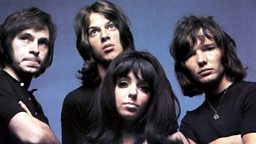
Come Together - The La-De-Dah Band
The group were formed in West Auckland in New Zealand and originally known as The La De Da’s gaining a reputation for their raucous R&B style of music. Their debut album gained a reputation for being a garage rock classic but today is very hard to come by. In the late sixties they moved to Australia where they released this version of the Lennon and McCartney song 'Come Together' and became a popular live act until they decided to call it a day in the mid seventies.
Put Yourself In My Place - The Isley Brothers
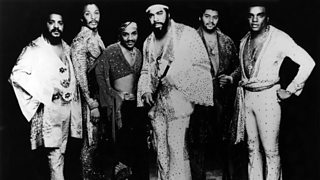
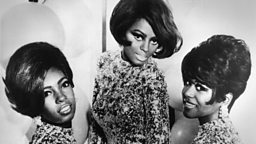
Recorded as an album track in 1966 but was released as a single in the UK after the group began having big successes with their back catalogue. Written by Holland, Dozier and Holland and had originally been recorded by The Elgins as well as Diana Ross & The Supremes and Chris Clark. With the success of three previous back catalogue releases, Motown records delved deeper into their vaults in search of another track by The Isley Brothers to release as a single, resulting in another top twenty hit with 'Put Yourself In My Place'. Check out Bob Stanley's profile of Holland, Dozier and Holland, here.
Come Back and Shake Me - Clodagh Rodgers
Irish born Clodagh released her first single in 1961, when her father, a dancehall tour promoter helped her get a contract with Decca, she released four singles for the label before moving to EMI. None of her records hit the mark until her life seriously changed when she married manager John Morris who took control of her career. Signing a three record deal with RCA in 1968, her first two releases failed to make any impact but producer and songwriter Kenny Young heard her voice and took control of what was to become her last chance with the label and delivered 'Come Back And Shake Me' resulting in the first of five UK top forty hits.
![]()
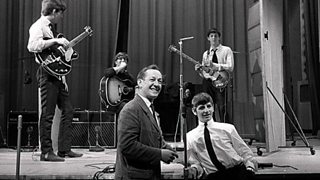
Brian meets the Beatles
Brian recounts his first meeting with the fab four
![]()
Holland, Dozier and Holland
Bob Stanley takes a look at the legendary Motown songwriting team