Brian's Weekly Sleevenotes - 21 November 15
The stories behind tracks from The Hollies, The Who, Nancy Sinatra, and many more...
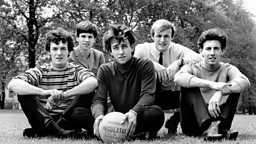
Just One Look - The Hollies (1964)
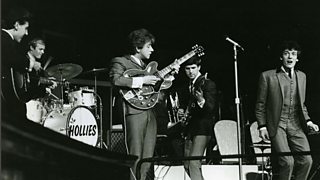
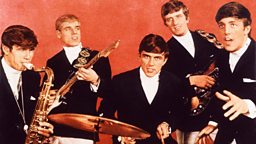
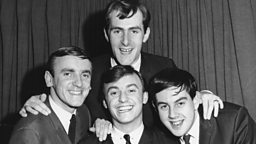
This track is one of two from bands that originated in Manchester which is our featured city from our British Beat Season. The song had originally been an American top ten hit for Doris Troy in 1963 who co-wrote it under the name of Doris Payne. The Hollies cover version reached number two in the UK and also gave them the first taste of chart success in America even though it only made it to number ninety-eight in the Hot 100 but after a number of bigger hits, it was re-issued there in 1967 and on this occasion climbed to number forty-four and is the first of two tracks that we’re featuring in our ‘British Beat Season’ and if you’d like to find out more about some of the great names in British pop, then visit the Sounds Of The Sixties web page for some interesting features by John Stanley.
The Big Hurt - Miss Toni Fisher (1960)
Released at the end of 1959 but didn’t chart until February the following year, this was the first hit introduce the phasing effect. Produced by Wayne Shanklin who had written big hit songs including ‘Jezebel’ ‘Chanson D’Amour’ and ‘Primrose Lane’ and who decided to launch his own record label, Signet and with his wife Toni Fisher as the first signing recorded ‘The Big Hurt’ at the famous Goldstar Studios in Hollywood. When Shanklin complained to sound engineer, Larry Levine that his wife’s vocal was too low in the mix, Levine tried to compensate by running two identical tapes of the song at the same time and accidently created the phasing when they ran slightly out of sync and it was then that they decided to leave the effect on the finished record.
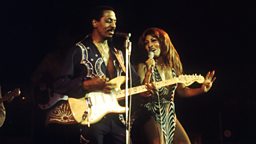
River Deep – Mountain High - Ike & Tina Turner (1966)
A Jeff Barry and Ellie Greenwich composition written specifically for Tina, was made up from a composite of three of their unfinished songs. The production of the record cost a then unheard of $22,000 as it took twenty-one session musicians and the same number of backing singers to complete the recording.
(In The Summertime) You Don’t Want My Love - Roger Miller (1960)
One of country music’s most successful crossover artists of the sixties must have been Roger Miller who scored over a dozen American top forty hits during the fifty-six years of his life. Among his most well known were ‘Little Green Apples’ and ‘King Of The Road.’ Inspired by his cousin, actor and singer Sheb Wooley, he auditioned for Chet Atkins at RCA who told him to come back when he had more experience so after a short period with the small Starday label he did just that and secured a contract. Now much of the material he recorded for those labels has been compiled on a fifty-two track CD from Jasmine, ‘Roger Miller, Singer-Songwriter The Early Years’ with one CD of Miller’s own performances and the other of his compositions recorded by other artists.

The Highway Song - Nancy Sinatra (1969)
After her success with the title song to the James Bond movie, ‘You Only Live Twice’ in 1967, Nancy Sinatra found she was struggling to find another hit. With a series of flops, it wasn’t until two years later that she was put together with writer and producer, Kenny Young who gave Nancy her final hit of the sixties with his own composition, ‘The Highway Song’ that on this occasion was produced by the late Mickie Most.
You Were On My Mind - Crispian St Peters (1966)
‘You Were On My Mind’ was written in 1962 by Sylvia Fricker in the bathroom of a hotel room in New York as that was the only area free of cockroaches. As half of the duo Ian and Sylvia, they recorded it for their 1964 album, ‘Northern Journey’ then a year later with a slightly altered lyric and at a faster pace, it became an American number three for We Five. A few months later, a UK cover version was released by Crispian St Peters, giving him his first hit in this country and surprisingly so soon after the We Five recording had been such a big seller, reached number thirty six on the American Hot 100.
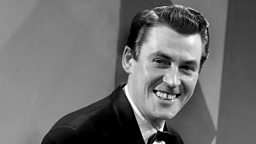
My Concerto For You - Russ Conway (1960)
After selling millions of singles played on his honky-tonk piano, Russ Conway fans were stunned when he brought out an album of semi classical pieces played on a grand piano backed by a large concert Orchestra directed by Michael Collins. Surprisingly the record became his biggest seller of the sixties reaching number five on the album charts, and this is the title track which was Russ’s own composition.
I’d Much Rather Be With The Boys - The Toggery Five (1965)
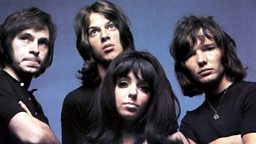
Now for the second track in our British Beat Season this week. We're looking at Manchester where, as well as bigger names like the Hollies, Herman’s Hermits and Freddie & the Dreamers, there were plenty of other local groups who never scored a national hit, one of which was the Toggery Five who took their unusual name from their manager's clothes shop. They released two singles, the second of which, written by Keith Richards and Andrew Oldham, was ‘I'd Much Rather Be With The Boys’. If you want to find out more about these musical cities and the artists then visit our Sounds of the Sixties web page where our resident blogger, Bob Stanley, will be providing a deeper insight into each musical movement as we travel around the country.
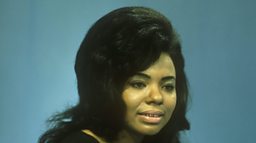
My Guy - Mary Wells (1964)
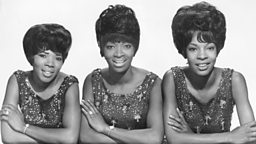
Topped the American charts for two weeks and made our top five in 1964 only to return eight years later when it was re-issued reaching number fourteen. Mary Wells was the first female singer to be signed to the Motown label in America and to achieve a number one hit for them, she was also the first to have a hit song written and produced by Smokey Robinson and ironically the first major artist to leave the label in favour of a big contract with 20th Century Fox Records.
Snoopy Vs The Red Baron - The Royal Guardsmen (1967)
Written by Phil Gernhard and Dick Holler, the song was inspired by the comic strip, ‘Peanuts’ by Charles Schulz and the record was issued about a year after the first story had been published featuring Snoopy fighting the Red Baron. Schulz and his publishers sued the band and won their case for using the name ‘Snoopy’ without gaining permission during which time they’d recorded an alternative version called ‘Squeaky Vs The Black Knight with a handful of copies finding their way into stores in Canada but after agreeing that all publishing royalties would go to the owners of the brand, they were allowed to write and record further songs about ‘Snoopy.’

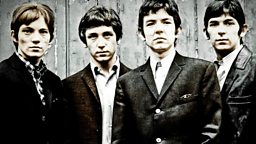
Here Come The Nice - The Small Faces (1967)
There were four main reasons why the BBC might take the decision not to play a record in the sixties, namely themes on death, drugs, sex and swearing. This song, written by Steve Marriott and Ronnie Lane had been allegedly attributed to a dealer and definitely fell into the drugs category. However, despite featuring the unambiguous line ‘he's always there when I need some speed,’ it somehow evaded the censors and was freely played on BBC Radio 1. The song’s title was inspired by a monologue, ‘Here Comes Da Nazz’ by comedian Lord Buckley which always amused the group.
A Legal Matter - The Who (1966)
This record was issued against the wishes of the band who had just left the Brunswick label and signed a new deal with Reaction and it was Brunswick’s attempt to sabotage “Substitute” their first release with the new label but their plan failed as “A Legal Matter” only reached number thirty-two but “Substitute” was a number five hit.
"I thought The Who would be brief"
Pete Townshend tells Steve Lamacq that he thought he would go back to art college.
![]()
Beat Cities: Manchester
The Hollies and The Toggery Five: inside Manchester's beat scene in the 1960s with Bob Stanley