From raiders to neighbours
By Rachel McRobb, CEO and co-founder of Conservation South Luangwa
A farmer wakes to the sound of splintering wood and gentle rumbles.
It’s just after midnight in Zambia’s South Luangwa Valley. A farmer wakes to the sound of splintering wood and gentle rumbles. By the light of the moon, he sees a herd of elephants moving steadily towards his maize fields. In the past, this could have meant the loss of an entire season’s food and income. But tonight, a simple line of plastic bottles, strung along a fence and filled with a pungent mix of fermented chilli, rotten eggs and animal dung holds the elephant at bay, while a rapid response team makes its way to help guide the herd away.

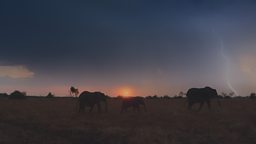
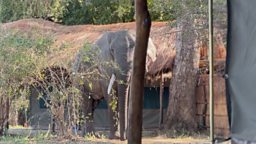
This is everyday life on the edges of South Luangwa National Park, where elephants and people live side by side. The park and its surrounding Game Management Areas cover over 14,000 km² of largely intact, unfenced wilderness and are home to Zambia’s largest elephant population. For the estimated 115,000 people who also call this landscape home, this reality brings both opportunity and risk.
...where elephants and people live side by side.
Even after more than 25 years here, I am still struck by the majesty of elephants in this valley and by the tension their presence brings. They are iconic and vital to the health of this extraordinary ecosystem and to the wildlife-based tourism that sustains the local economy. Yet their size and strength all too often put them in direct conflict with growing communities across the protected area.
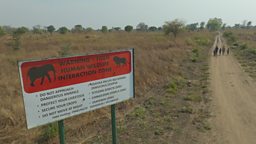
At Conservation South Luangwa (CSL), we have learned that protecting elephants and protecting people are inextricably linked. Our Human-Wildlife Coexistence programme is built on that belief, where practical solutions that protect the lives of people can also give wildlife the space and safety they need to thrive.
...protecting elephants and protecting people are inextricably linked.
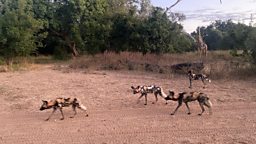
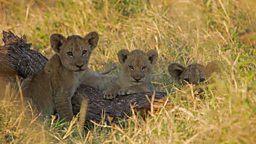
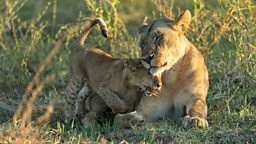
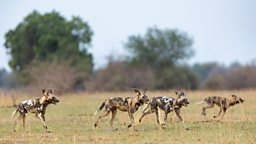
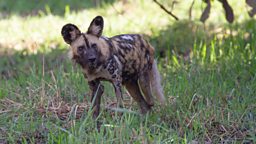
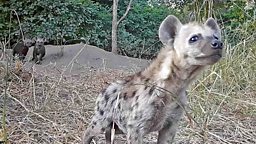
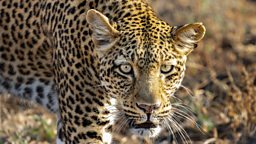
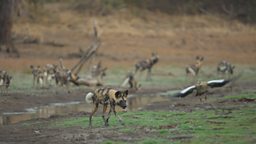
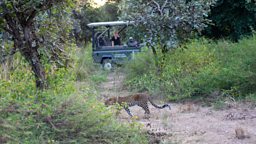
In the recent BBC Kingdom episode, viewers saw elephants impact the lions and other carnivores as they moved through the landscape. Those scenes are not just spectacular television; they reflect real dynamics here in South Luangwa, where dominance comes with consequences.
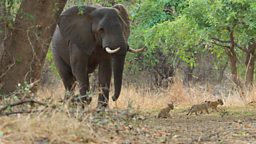
A single elephant can consume hundreds of kilogrammes of crops in a single night. For smallholder families living from harvest to harvest, that can mean the difference between resilience and hunger. If conflict goes unmanaged, elephants risk retaliation, and families risk losing the means to survive. Successful conservation means finding the balance that allows both to thrive.
Successful conservation means finding the balance that allows both to thrive.
Over the years, we’ve learnt there’s no single solution. It takes many small, practical steps working together. Farmers are supported to grow chilli, which elephants dislike, and in turn this is used to make deterrents such as smelly fences. At night, our network of trained community chilli patrollers work to steer elephants away from fields. ‘Smelly’ fences provide another low-cost first line of defense, while solar-powered polywire fencing offer stronger protection where herds are more determined.
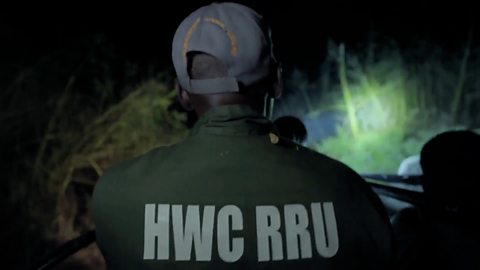
Protecting elephants and farmers with chilli
The Rapid Response Unit are called out to keep elephants away from a farm.
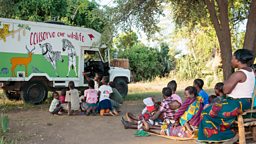
These measures are backed up by education, from radio broadcasts to theatre performances and community game drives, helping people respond safely when elephants come close and slowly shifting views from elephants as raiders to elephants as neighbours.
...helping people respond safely when elephants come close...
Equally important is community-based natural resource management. Regular meetings with chiefs, Community Resource Boards, and farmers ensure that solutions are locally owned, culturally appropriate, and widely supported. This governance layer, combined with strong collaboration with the Department of National Parks and Wildlife, ensures that our interventions are strategic and sustainable.
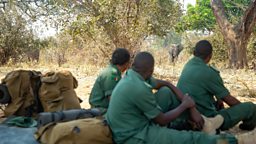
Still, elephants don’t always follow the script.
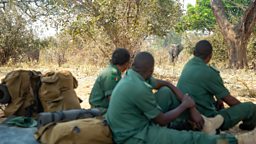
Still, elephants don’t always follow the script. There are times when elephants press closer than anyone would like. That is when the CSL-DNPW Human-Wildlife Conflict Rapid Response Unit (RRU) steps in. Operating from Mfuwe, the joint CSL-DNPW team is on call every night, using vehicles, spotlights and non-lethal tools to guide elephants back into the bush before anyone gets hurt. Their presence prevents dangerous clashes and keeps both people and elephants safe.

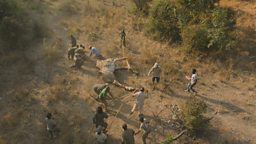
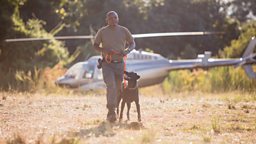
This combination of prevention and response has become the backbone of our overall conservation strategy, sitting alongside CSL’s wider work: anti-poaching patrols, daily aerial surveillance, a sniffer dog unit and veterinary rescues. All are vital in protecting the wildlife of South Luangwa, keeping the ecosystem in balance, and ensuring elephants remain a thriving presence.
It is about balance — between people and wildlife, survival and coexistence.
The challenges remain huge. The human population here is growing. Climate change is bringing harsher droughts and floods to Zambia, putting more pressure on subsistence farmers. And elephants continue to roam outside protected areas as their populations recover after decades of heavy poaching. Every year, more communities ask for help. Scaling up is resource-intensive, and the stakes are high for both people and elephants.
What we have seen, though, is that coexistence is possible. Small changes add up, and they make a real difference to people’s lives.
For me, elephant conservation has always been about more than one species. It is about balance — between people and wildlife, survival and coexistence. By standing with communities, we safeguard elephants. And by safeguarding elephants, we help keep the Luangwa Valley alive for generations to come.