Flint: An example of African wild dog resilience
By Henry Mwape, Project Manager and Senior Ecologist, Zambian Carnivore Programme
...the most highly social of any dog species...
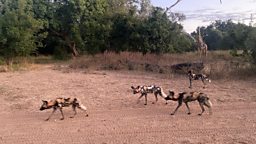
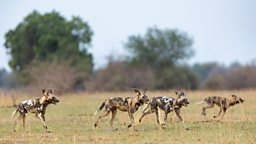
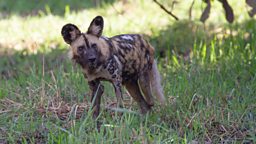
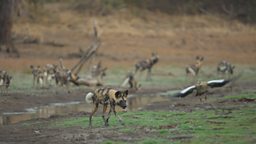
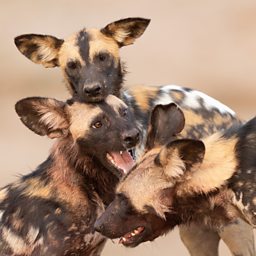
Wild dogs are mostly identified by their outsized ears as well as brown, black and white coats, the reason they are also called painted dogs, or painted wolves. They are the most highly social of any dog species, even more than wolves.
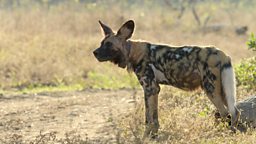
Known as Flint, wild dog number 1293 used to be a male in perfect condition and was collared in September 2022 to allow us to track and protect him and his two brothers when he dispersed from Miloyti, the pack he was born in. Using information from his collar, we found out Flint encountered some female dispersers and formed a Chitungulu pack about 100 km north of where he grew up. During their movements to establish a territory, they passed through a very dangerous area, where the chance of encountering a snare was very high.
...it’s possible only because the pack takes care of them...
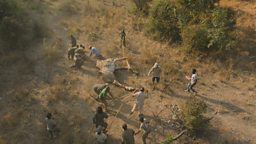
When we caught up with Flint’s pack in a vehicle, we found the alpha female snared and were able to immobilise her and remove the snare, thus saving her life, but one of the uncollared males was missing. Shortly after that, Flint’s satellite collar stopped transmitting, and given the remoteness of the area, we lost track of the whole pack.
Welcomed home
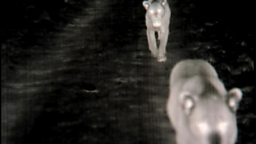
Not long after, the BBC Kingdom crew reported the arrival of a new dog in the Miloyti pack they had been filming; he was missing a leg but had a collar. After checking the photos, we confirmed that it was Flint, returned home to his mother’s pack, his leg likely lost to snares that had decimated his new pack. While it may seem impossible for a dog to survive on 3 legs, they can and do—both from natural hunting injuries and from snares. But it’s possible only because the pack takes care of them, helping to feed and protect them. And in return Flint was a great uncle. Flint was very helpful in caring for Storm’s pups in 2023. He was mostly babysitting at the den and food was brought to him by the other pack members after a hunt.
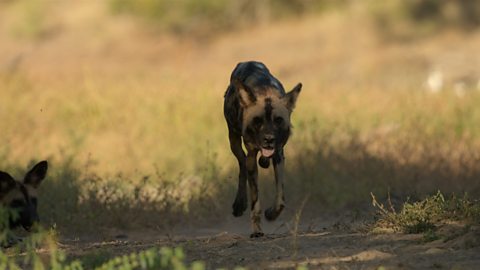
Flint: The three-legged wild dog
Wild dogs care for injured and weaker members of their pack.
Wild dogs have experienced population decline over the years. It is estimated that there are not more than 6,600 individuals left in areas where they naturally reside. Wild dogs experience a number of limiting factors and threats impacting their survival, ranging from natural causes such as predation from top predators and diseases to human-related threats such as habitat fragmentation, persecution and, like Flint, accidentally getting caught in wire traps known as snares that are set for other animals.
It is estimated that there are not more than 6,600 individuals left in areas where they naturally reside.
Increased Chances
Despite facing these challenges, African wild dogs have been able to do well in certain areas where human impacts can be mitigated. Conservation work focusing on protecting their habitats and addressing immediate threats has increased the chances of them thriving in those areas and beyond.
The Luangwa Valley Ecosystem, in which Kingdom is based, is one of the study sites for the Zambian Carnivore Programme – it currently has the highest population of African wild dogs in Zambia and one of the highest densities recorded for the species, but this population is also facing the same challenges. In particular, the wide-range nature of wild dogs, especially the dispersal of young dogs from their natal pack to search for mates and form new packs, means they can travel hundreds of kilometres and leave protected areas, putting them at high risk of encountering wire snares.
CSL and DNPW work to address the threats facing wild dogs through field-based protection...
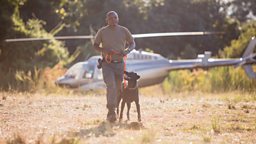
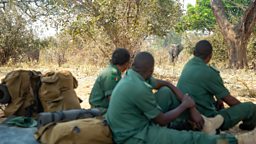
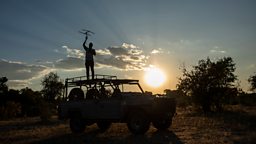
The Zambian Carnivore Programme and its partners CSL and DNPW work to address the threats facing wild dogs through field-based protection, or the “Halo Approach”. This is a series of interventions which address prey depletion and snaring bycatch mortality. We conduct intensive monitoring of wild dog packs and dispersing groups using satellite and GPS collar technology to track carnivore movements, providing alerts when animals enter high snaring-risk areas or become snared. Radio telemetry enables ground and aerial teams to locate animals for visual snare checks and rapid response. Each ecosystem has a full-time, field-based wildlife veterinarian to immobilise and treat injured animals. Collar data is also shared with law enforcement to guide anti-snaring patrols to high-risk areas for snare detection and removal.
An Extraordinary Story
He showed everyone how intensely social and resilient wild dogs can be...
We will live to remember the contribution Flint has made to the population of wild dogs in the Luangwa Valley Ecosystem. He showed everyone how intensely social and resilient wild dogs can be, and his extraordinary story has revealed the serious threats facing wild dogs, and how a natal pack will accept an injured family member back, and do whatever they can to help them.