Why Burkina Faso, Mali and Niger comot from ICC
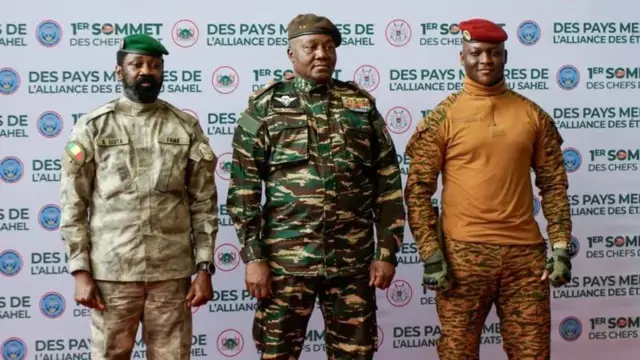
Wia dis foto come from, EPA
Three West African kontris don withdraw from di International Criminal Court [ICC].
Burkina Faso, Mali and Niger announce dia decision to withdraw from di International Criminal Court wit immediate effect.
Dem allege say di judicial body na tool for "neo-colonialism" and dem dey practice "selective justice".
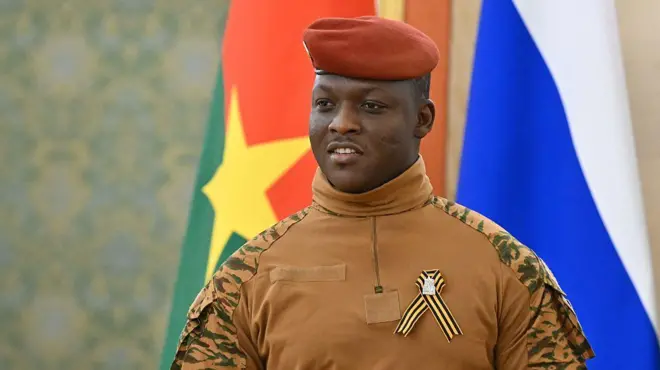
Di three Sahel kontris for joint statement wey General Assimi Goita, President of Mali write, accuse di ICC say dem dey pursue certain actors for less privileged kontris non-stop and dem don "prove incapable" to judging di worst crimes for di world.
Di move na di latest by di junta-led states wey bin also comot from di regional bloc, Ecowas and form dia own Alliance for Sahel States (AES).
Di three kontris bin signal dia determination to uphold sovereignty wen dem turn into local peace and justice systems, wit commitment to human rights and di fight against impunity in line wit societal values.
Na for 2002 dem establish di judicial body wit di mandate to prosecute cases of genocide, crimes against humanity, war crimes and aggression.
Since dem establish di International Criminal Court, di ICC don receive thirty-three cases.
Pipo wey dey criticise di judicial body include di President of Rwanda, Paul Kagame wey bin accuse di court of bias wey dia aim na to try only Africans.
Wit all dis criticisms, supporters of di court say, na di weak judicial system for Africa dey force individuals and govment to go find justice wey dey make dem carry dia cases go meet di international body.
Di Sahel kontris wey dey currently battle insecurity wey jihadist groups dey do, don cut ties wit some western kontris including France, di former colonial power.
Dem don also form new relationships wit Russia wit di aim to increase military support and foster economic interests.
Thirty-three out of di fifty-four kontris for Africa na members of di ICC wey bin don open investigations for some kontris
Dis kontris include di Central African Republic, Democratic Republic of Congo, Kenya, Libya, Mali, Sudan, Uganda, and Ivory Coast.
Di treaty wey establish di court allow members to withdraw. Dis move go only dey effective afta one year from di time of notice.
For 2017, Burundi become di first and only African kontri to successfully withdraw from di ICC.
'We never receive formal notice'- ICC
Meanwhile, di International Criminal Court (ICC) don tell BBC say dem never receive formal withdrawal notice from Burkina Faso, Mali and Niger after dem announce dia exit from di judicial body.
One spokesperson for di United Nations court tell BBC say, "If no instrument of withdrawal dey deposited, den no withdrawal".
Di Junta led kontries for dia announcement of dia decision to withdraw from ICC inside a joint statement on Monday, allege say di judicial body na tool for "neo-colonialist repression", wey dey selectively prosecute pipo for developing nations and say dem no dey capable of judging crimes against humanity, genocides and war crimes.
Di United Nations court no gree comment on di allegations.
According to di treaty wey establish di international court, kontri withdrawal dey officially take effect one year after di UN don dey notified.
Di three don also cut ties wit France, a former colonial power and di regional bloc, Ecowas, even as dem forge new partnerships wit Russia.
Wetin be ICC and how dem dey work
Di International Criminal Court dey try individuals for genocide, war crimes, oda crimes against humanity, and aggression.
Dem dey also investigate wen e dey necessary, and also try individuals wey dey charged wit gravest crimes of concern to di international community.
Di International Court dey also participate for di global fight to end impunity, and through international criminal justice.
Dia aim na to hold pipo wey dey responsible accountable for dia crimes and to help prevent dis crimes make e no happun again.
Na di last resort, and e dey seek to complement, not replace, national Courts.
E dey governed by di international treaty wey dem call di Rome Statute.
Di ICC na di first permanent international criminal court for di world.
Any kontri wey join di Rome Statute system don take stand against di pipo wey no go fit answer to anybody before now afta dem commit crime big or systematic crime.
Di ICC want more kontris to join di fight against impunity, so criminals go fit get dia punishment, and e go also help prevent future occurrences of dis crimes.
Di court get ova 900 staff members from almost 100 kontris.
Na six official languages dem dey use , wey include English, French, Arabic, Chinese, Russian and Spanish.
According to dia official website, di judges FOR ICC bin don issue 61 arrest warrants sake of cooperation from different kontris.
Dem don detain 22 pipo for di ICC detention centre wey bin don appeare before di Court.
Dem neva still find 30 pipo and dem bin also drop charges against eight pipo sake of deaths.
Since 2002 di judges for ICC judge bin don issue nine summonses to appear before di court.
Dem don also issue 11 convictions and 4 acquittals.