Species information
Right, it's fun and games time. To find out how international your garden is, have a little look through this selection of beauties and give yourselves a number of points based on the different species you see. For example, if you see Swifts, you get 10 points. If you see Spotted Flycatchers, you get 50 points. Add them up and those with the most points have the most international gardens.
Spotted Flycatcher - 50 points
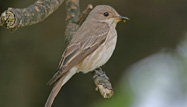
Arrives in May from Africa, breeds in gardens, especially in porches, behind trellises and in nestboxes. Catches flies with an audible snap of its bill, often returning to the same perch.
House Martin - 10 points
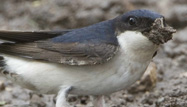
Winters in Africa, but no-one knows exactly where! Builds mud nests in colonies under the eaves. Has black upperparts and brilliant white underparts and rump. Take part in our survey.
Common Swift - 10 points
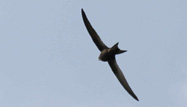
Eats, sleeps, preens and mates on the wing. Builds its nest in roof spaces. Only with us for 4months of the year - a piece of Africa under your rooftiles.
Painted Lady Butterfly - 10 points
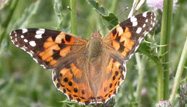
Adults travel north from Morocco, laying eggs as they go. Main arrival in UK is in early June, but numbers vary from year to year. Adults like Buddleia bushes and the caterpillars feed on thistles. Take part in our survey.
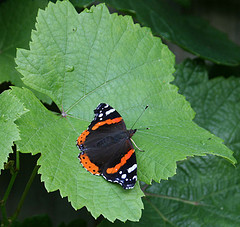
Red Admiral Butterfly - 10 points
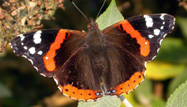
Now over-winters in the UK, but large numbers of migrants also arrive throughout summer.
Large White Butterfly - 10 points
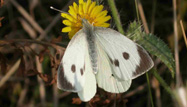
This butterfly and its relative the Small White often feeds on garden cabbages and nasturtiums. Many are residents, but are boosted by invasions from Continental Europe.
Humming-bird Hawk-moth - 50 points
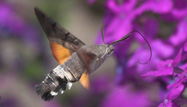
Darts among flowers like a Hummingbird. Most arrive in mid to late summer from southern Europe and a few over-winter in mild areas. Caterpillars have a tail-horn and feed on bedstraw plants. Take part in our survey.
Convolvulus Hawk-moth -100 points (yes, that's one hundred points)
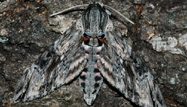
A huge and unmistakable grey moth from southern Europe and North Africa. Often arrives in small numbers after strong southerly winds. Feeds on nectar with a very long tongue. Fond of tobacco plants (Nicotiana) and Fuchsias.
Silver-Y Moth - 10 points
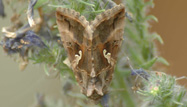
Often seen by day, a common migrant everywhere. Has a distinctive white Y-shaped mark on the forewings. Take part in our survey.
Migrant Hawker - 50 points
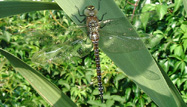
This large dragonfly was once scarce, but is now resident in many parts of the UK. Migrants arrive in late July and are on the wing until mid October. Unlike most large dragonflies it often flies in small groups.
Marmalade Hoverfly - 10 points
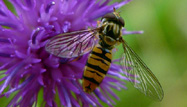
This very common hoverfly is an orange marmalade colour with double bands on its abdomen. It breeds in the UK, but large numbers arrive from the Continent each summer. Their larvae eat aphids, so are very useful garden visitors.




















![Stormy morning at the plants garden by David Giral [Boston, Ma - Sept 26-28]](https://bbctodays.pages.dev/radio4/worldonthemove/flickr-cache/the-garden/image-cache/54.gif)