Species information
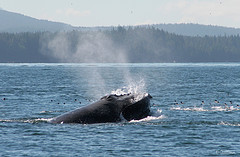
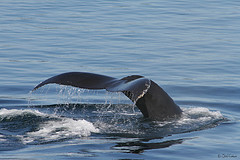
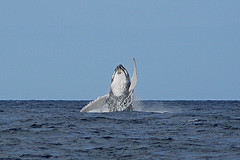
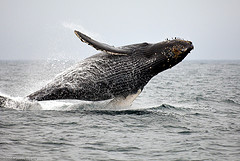
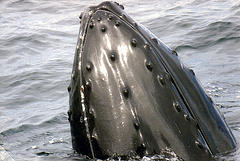
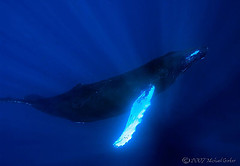
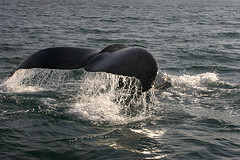
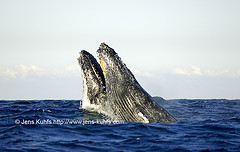
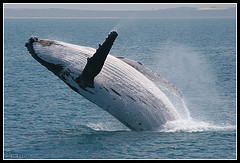
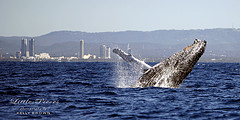
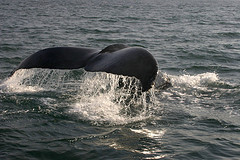
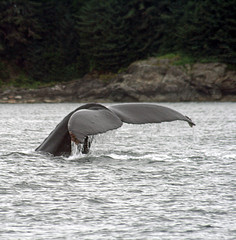
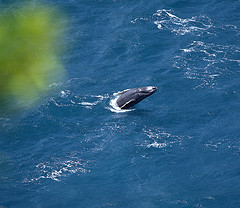
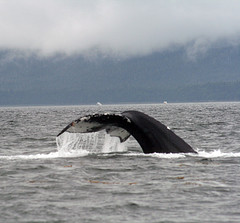
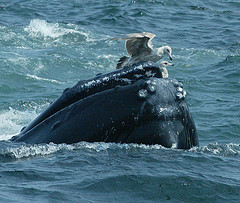
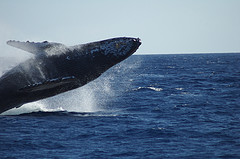
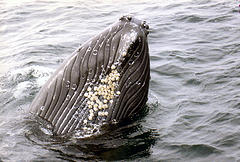
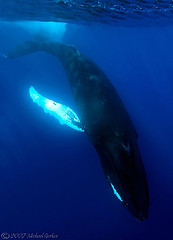
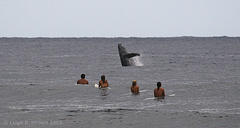
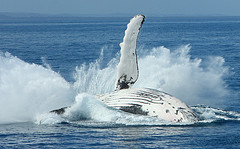
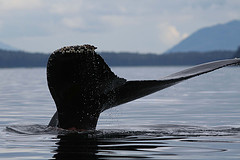
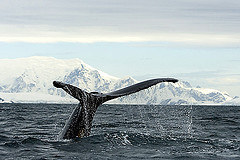
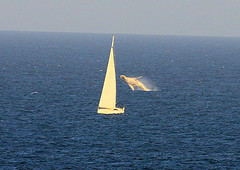
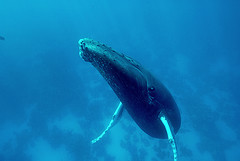
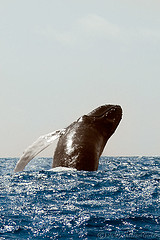
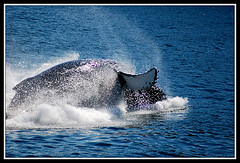
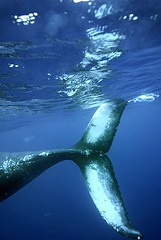
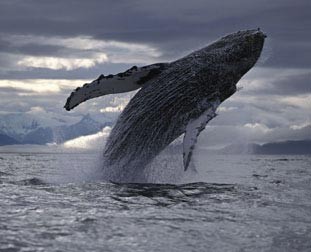
With its mysterious song, its extraordinary hunting techniques and its 10,000 km annual migration the Humpback Whale fascinates scientists and nature lovers.
The Migration
Between two and five thousand North Pacific Humpback Whales swim from Alaska to Hawaii. They return north in late winter.
Time and Distance
5000 km in 40 days
Energy
They feed mainly in Alaska, living off their fat reserves on migration and in Hawaii.
Reason for migration
To breed and give birth in warmer waters. To feed on krill and herring in rich northern waters.
Conservation issues
All Humpback populations were devastated by whaling. They still face problems from ship collision, entanglement in fishing gear and noise pollution. The Japanese have resumed the hunting of Humpbacks in the South Pacific.
What happened in 2008?
In March our reporter, Sarah Tavner, joined a group of scientists in the Caribbean to pursue and tag a large female Humpback. This incredible report is entitled Tagging Humpbacks.
In April BBC Natural History Unit producer Hugh Pearson reported on Hawaiian Humpbacks.
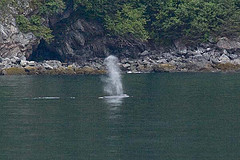
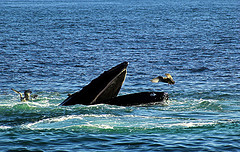
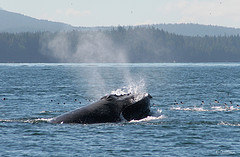
By July these Humpbacks had migrated through the North Pacific to Alaska where Joe Sevens recorded the sound of Humpback Whales Bubble Netting. This involves one or more whales diving beneath a school of fish and swimming upward in a spiral, whilst releasing streams of bubbles from their blowholes. The bubbles rise in a cylindrical curtain around the fish, forming an impassable barrier. The whales then swim up through the school of fish, feeding as they go.
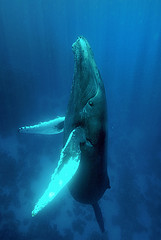
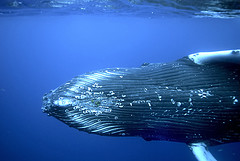
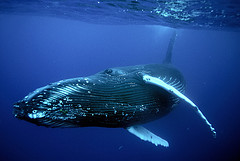
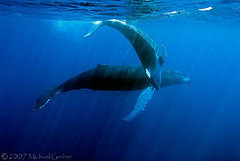
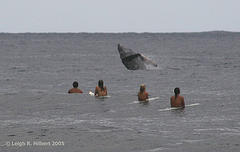
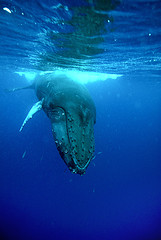
In Ocotber we caught up with the underwater photographer Yves Lefevre who recalls Swimming with Humpbacks in French Polynesia.
Also in October we reported on the extraordinary song of the Humpback. The song of the central stock is identical to that of every other Humpback but it changes every year, at virtually the same time in all its territories. How? Why? Find out more as we try to reveal some of the Mysteries of Humpback Migration.