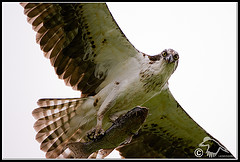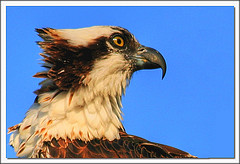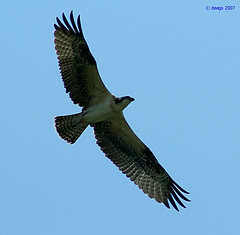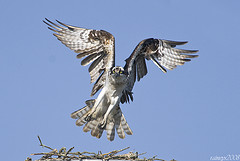
Species information
One of Britain's great conservation success stories returns home from West Africa in March. World on the Move will for the first time track the northward journey of a female Osprey named Logie.
The Migration
In spring, Guinea-Bissau, West Africa to Forres, Scottish Highlands. And back again in autumn.
Time and Distance
5700 km in 35 days or less from Scotland to Africa.
Energy
Our Ospreys sometimes feed as they travel along their migration route, but it is important that they build up sufficient fat reserves before migration to sustain them over the great expanses of the Sahara Desert.
Reason for Migration
To return to northern countries to take advantage of long days and plentiful supplies of fish.
Conservation
Plumage and egg collectors helped drive the osprey to extinction as a breeding bird in the UK in 1916, but occasional birds hung on and from the 1950s the new population slowly increased due to determined conservation efforts by the RSPB and others. There are now about 200 breeding pairs in Scotland, plus a few pairs in England and Wales.
Our Project
Roy Dennis has worked on the conservation of the UK Osprey population since 1960. In the summer of 2007, Roy fitted the latest GPS satellite tags (in a project with Talisman Energy UK) to two chicks and their mother at a nest near Forres in the central Highlands. On their migration south, the adult female (named Logie by the local Logie Primary School pupils) was tracked hourly every day on her amazing journey to her winter quarters on Ilha Roxa off the coast of Guinea-Bissau. The older chick drowned near the Scilly Isles on her first migratory flight and the other’s transmitter failed near Malaga.
The new type of solar-powered satellite tag being used by Roy should last for three years and gives accurate hourly data, on location, speed, direction and altitude. This, for the first time, gives us the chance to follow in detail an Osprey on its return journey from Africa to the UK. World on the Move will chart its late winter movements within Africa and then plot our bird's hazardous route back to Britain and its home nest and regular mate. How will she cross the Sahara? Will she take the short cut to the UK across the Bay of Biscay?
What happened in 2008?
Logie's journey from Guinea-Bissau to the Highlands in spring took longer than anticipated. She left Ilha Roxa on 12th March travelling northwards through Senegal, Mauritania, Western Sahara, Algeria, Morocco and Spain, which she reached on 22nd March. She remained here until 7th April due to poor weather conditions but raced through France and the UK until she reached her nest on 23rd April only to find a rival female in her nest.
In total, Logie's run lasted 43 days, crossed through 9 countries and covered 3619 miles.
Logie overcame the rival female and raised two chicks - Moray and Glen. We planned to follow all three of them on their southward migration in autumn but Moray died, having taken a wrong turn towards the Outer Hebrides and the batteries in Logie and Glen's transmitters failed.
Instead, we followed a strong male named Nimrod who left the Higlands on 25th September and after 3266 miles, found his over-wintering site in Guinea-Bissau on 17th October.


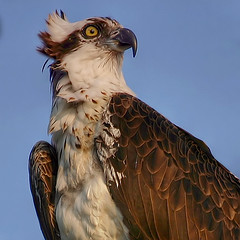
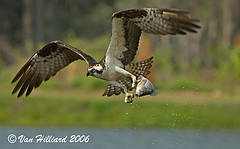
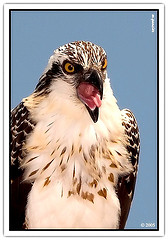
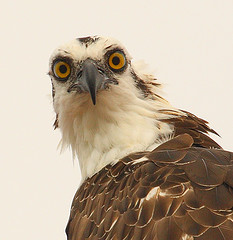
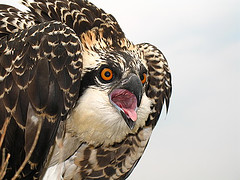
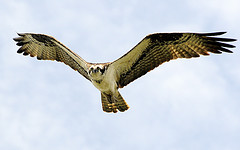
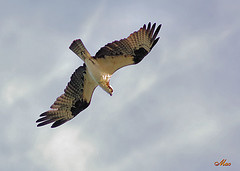
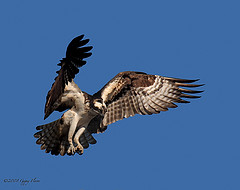
![Osprey! by Nikographer [Jon]](https://bbctodays.pages.dev/radio4/worldonthemove/flickr-cache/osprey/image-cache/4.gif)
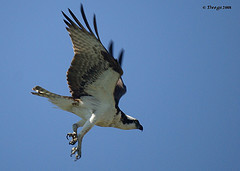
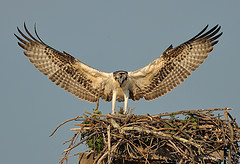
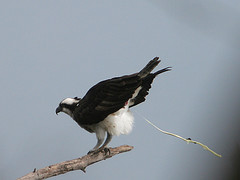
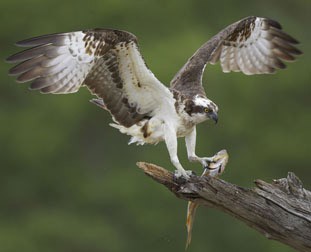
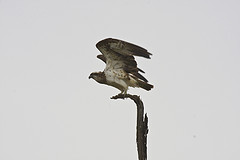
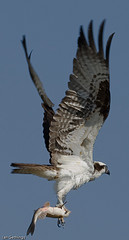
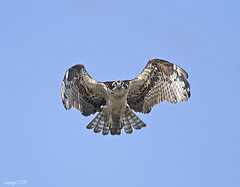
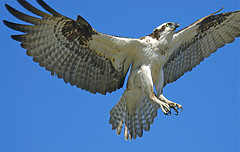
![Osprey Takeoff (VTOL) by Nikographer [Jon]](https://bbctodays.pages.dev/radio4/worldonthemove/flickr-cache/osprey/image-cache/19.gif)
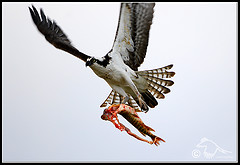
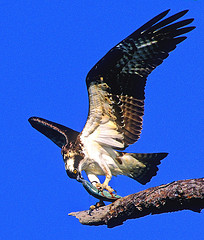
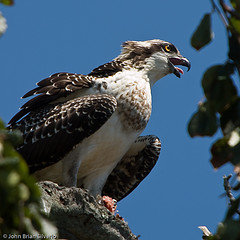
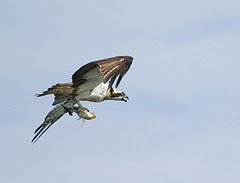
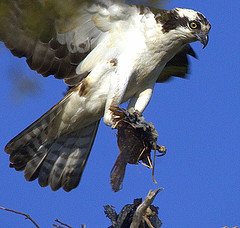
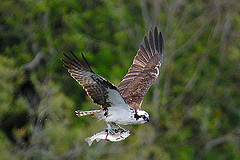
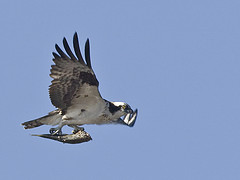
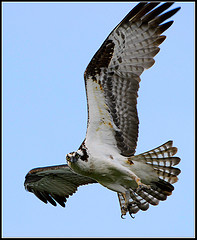
![Osprey returns with his half a fish - Blackwater NWR, MD by Nikographer [Jon]](https://bbctodays.pages.dev/radio4/worldonthemove/flickr-cache/osprey/image-cache/33.gif)
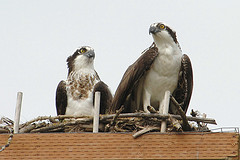
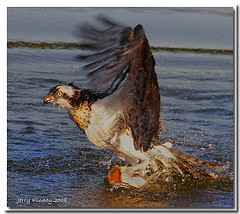
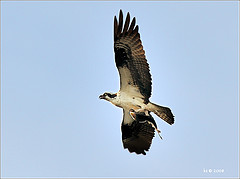
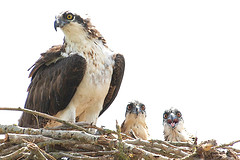
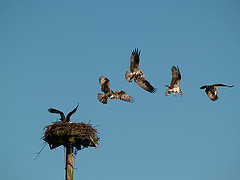
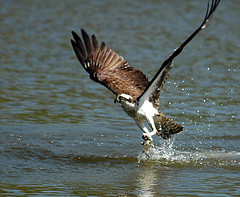
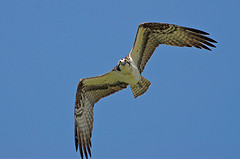
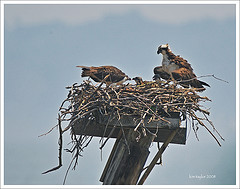
![BALD EAGLE vs osprey (3 pix) by Nikographer [Jon]](https://bbctodays.pages.dev/radio4/worldonthemove/flickr-cache/osprey/image-cache/38.gif)