Species information
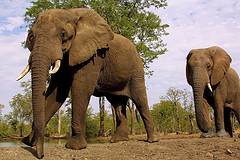
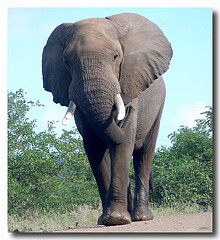
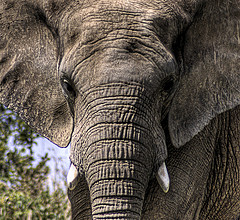
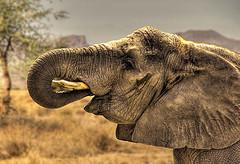
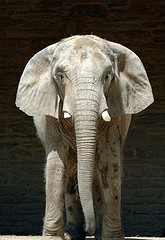
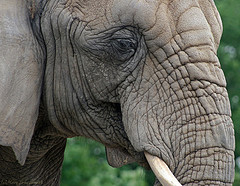
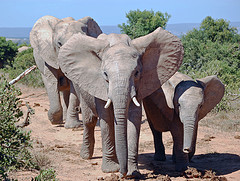
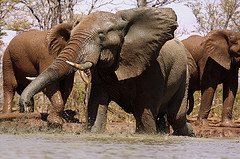
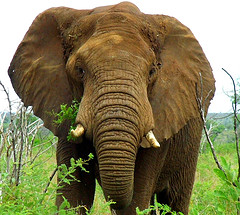
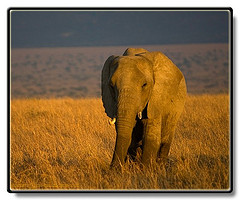
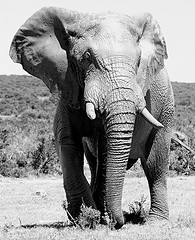
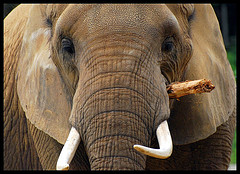
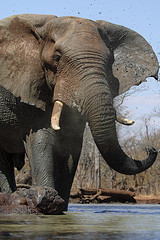
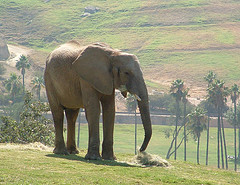
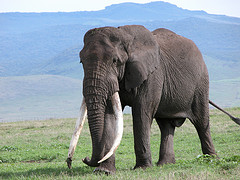
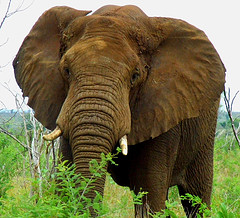
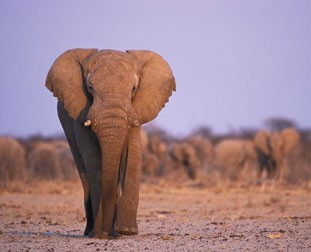
Since 1994 the fences on the western border of the Kruger National Park in South Africa have been gradually removed, giving scientists the chance to see how far Elephants migrate in their natural lifecycle. This year, WOTM followed Mac, an old bull Elephant on his annual migration from Shingwedzi in the Kruger National Park of South Africa to the Timbavati Private Nature Reserve.
Energy
Mac builds up his body condition during the wet season when the vegetation is still lush from October through to April. When he enters "musth", the testosterone rush that heralds sexual behaviour, he then uses up this energy to migrate, fight off rival males and mate. He will be thin by August when he makes the return migration at the end of his musth period.
Reason for Migration
To find female breeding herds to mate with.
Conservation
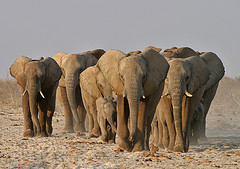
The South African Elephant population has recovered since the height of poaching. Well-protected parks and efforts to limit their encroachment into inhabited zones have helped to increase the population significantly.
Our Project
Michelle and Steve Henley have been studying South Africa's Elephants for many years, focusing on their population dynamics and habitat use. Since the fences came down they have been particularly interested in examining the restoration of ancient migration routes and the interaction of increasingly large Elephant populations with humans. The Henleys have radio-collared many individual Elephants to get a clearer picture of the extent of their travels.
Mac's Journey 2008 - what happened?
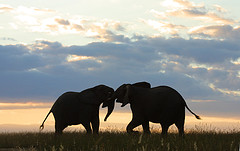
At the beginning of April, Mac entered musth and started on his long march south in search of a mate. Over the following three months, Mac covered hundreds of miles reaquainting himself with his musth range and the herds of cow Elephants that inhabited this area. By the end of June Mac had succesfully mated and having used up most of his energy supplies, he returned home to Shingwedzi.
The first interesting observation from Mac's migration this year was the timing of his musth. Many, if not most, of the large bulls follow a regular seasonal cycle of musth and non-musth and although the timing varies between individuals each appears to stick to his preferred timetable. Mac showed this clearly when following an injury to his foot early in 2007 that caused a substantial drop in his condition and prevented him coming into musth that year.
This year he resumed the same schedule rather than simply altering it to come into musth as soon as his condition allowed. This suggests that something more than just resources and access to food is driving the musth cycle. Bulls appear to also be taking into consideration the cycle of other bulls, timing their musth according to both the habitat conditions and the social landscape.
This year's movements were erratic to say the least - he wildly criss-crossed his musth range, rather than tracking and guarding potential mates. This left us with the clear impression that he was unsure of his position within the social hierarchy of bulls despite being one of the largest bulls in the area. Last year Mac didn't migrate due to an injury and it appears that this year he spent an unprecedented amount of time redefining his position within the social hierarchy, perhaps at the expense of acquiring mates.
Highlights
- Mac on the Move - Mac enters musth
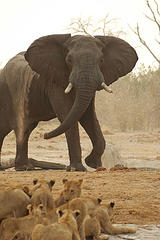
- Mac on the Move Day Four - Mac encounters a rival bull
- Mac on the Move Day Six - Michelle spends some quality time with Mac
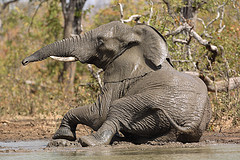
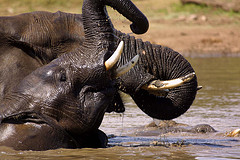
- Mac on the Move Week Six - Mac enjoys a mud bath
- Mac on the Move Week Ten - A summary of Mac's migration