

The Species
Find out more about the characters behind these awesome adventures. We've got facts, detailed biographies and you can read all the reports filed by our legion of reporters and contributors.
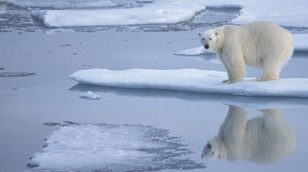
Missing: Polar Bears
Our reporter, Tom Arnbom, travelled to the Russian Far East after hearing that last year people were being attacked by Polar Bears. However, this year the Polar Bears simply didn’t turn up.
Embed this code into your website or blog to display our audio player.
<object width="300" height="222"><param name="movie" value="http://bbc.co.uk/radio4/worldonthemove/share/audio-http://www-sis.bbc.net.uk/radio4/worldonthemove/species//player.swf"><embed src="http://bbc.co.uk/radio4/worldonthemove/share/audio-http://www-sis.bbc.net.uk/radio4/worldonthemove/species//player.swf" width="300" height="222"></embed></object>
World On the Move desktop widget
Download the World On the Move desktop widget and keep up to date with the latest audio reports direct to you desktop.
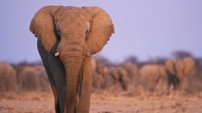
African Elephant
African Elephants travel up to 200km in search of a mate. World on the Move will be tagging and tracking an old bull called Mac on his annual migration
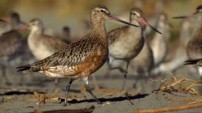
Alaskan Bar-tailed Godwit
Holder of the record for the longest non-stop migration in the world, the mysteries of this extraordinary bird are gradually being solved with use of some of the lightest satellite tags ever developed
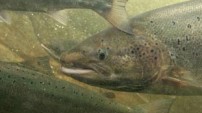
Atlantic Salmon
The salmon's ability to return to its home river after a year or more in the North Atlantic is an astonishing feat of navigation, perseverance and physical transformation
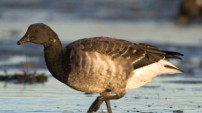
Brent Goose
Taking one of the world's most dangerous migration routes this compact goose travels from its breeding grounds in the Canadian Arctic to Northern Ireland via the 2700 metre high Greenland ice cap

Common Toad
Toads have a relatively modest distance to migrate compared to many of our World On the Move animals but it is one of the most dangerous as they are forced to cross busy roads at rush hour
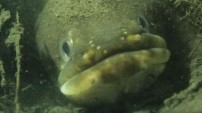
European Eel
Science is starting to replace the sailor's yarn as the main source of knowledge about the European Eel. However, we still don't fully understand what happens when the Eel migrates away from the UK
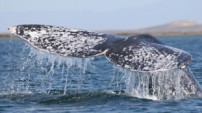
Gray Whale
The Pacific Gray Whale migration is one of the longest known for any mammal. Amazingly, it's possible to watch them from the shore as they migrate up and down the west coast of America.
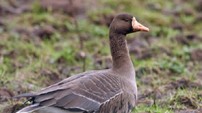
Greenland White-fronted Goose
Crossing the 2700m high Greenland Ice Cap is an astonishing feat of endurance. WOtM is fitting three geese with energy meters which give a 'real-time' fuel gauge of our birds as they migrate
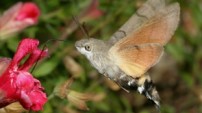
Humming-bird Hawk-moth
Humming-bird Hawk-moths are migrating to the UK in larger numbers due to climate change. They are able to breed here during the summer months but traditionally have not been able to survive our cold winters
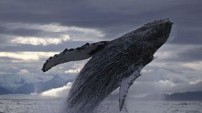
Humpback Whale
With its mysterious song, its extraordinary hunting techniques and its 10,000 km annual migration the North Pacific Humpback fascinates scientists and nature lovers.
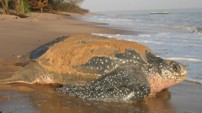
Leatherback Turtle
Leatherbacks are the largest, longest lived and deepest diving of all the turtles. They travel thousands of miles across the earth’s oceans and are even capable of surviving the cold waters around the UK
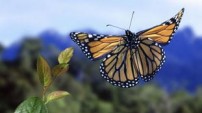
Monarch Butterfly
The longest known insect migration in the world. They travel distances that would impress a whale or a seabird but unlike those species the monarchs only make the journey once. How do they know where to go?
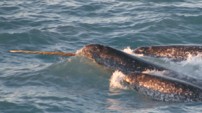
Narwhal
Unicorns of the sea - their sword-like tusks make Narwhals one of our most distinctive looking migrants. Their tusk is actually an overgrown tooth and scientists still debate what they use it is for
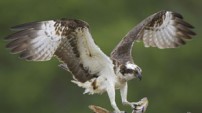
Osprey
Logie the Osprey became one of our true migration heroes after she returned home to Scotland from West Africa in April. She flew 3619 miles in 43 days but didn't get the welcome she wanted - find out more in our reports.
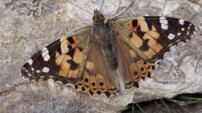
Painted Lady Butterfly
The Painted Lady is a colourful summer visitor to the UK that seems to be arriving earlier the year due to climate change - if you've seen them in your garden, please let us know.
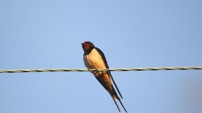
Swallow
Swallows are on the move and we want your sightings. They have come all the way from southern Africa and amazingly they know exactly where to navigate back to the UK. How do they do this?

The Garden
Over the summer, your garden will host birds and butterflies from all over the world but how international is your garden? Find out with help from our Gardenwatch project.
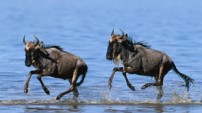
Wildebeest
The mass movement of over a million Wildebeest migrating across the Serengeti and through the Masai Mara has been described as the "seventh greatest wonder of the world".
