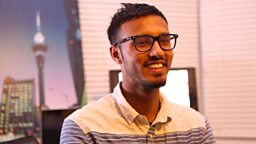
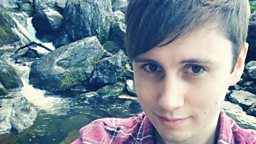
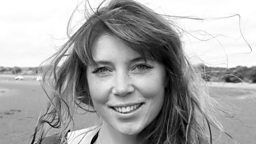
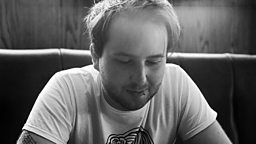
Profile: Sean Whytock
Sean discovered how a local band is aiming to make it in the music industry.
Why did you pick this subject for Fresh?
I chose this film and subject for Fresh because I felt it was fitting for the programme (as a short documentary film) and as a film that was made by and involved young people. I also felt the music aspect of the film and the involvement of an upcoming band would appeal to many young viewers, bands and music lovers.
I think my natural talents and rhythm in music helps me find a natural rhythm and creativity in editing films
I was a student on a free 24-week filmmaking course in Cumbria, which was run by NADT and tutored by experienced filmmakers Lyndsey Walker and Abi Welch. During my time on the course I was able to produce my own project idea of a local music documentary and a similar web series, which this film is a part of. I had no experience of making films before this course, but applied myself to try all different roles involved in filmmaking and developed skills naturally from this. As students on the course, we developed our own production company called Unconventional Media, which is currently partnered with NADT.
What motivated you to make this film?
I believe a lot of music and creative talent is often overlooked in the north and most especially in more rural areas, such as Cumbria. As a classical musician, music graduate and composer myself, I have struggled to find work opportunities or network with like-minded people whilst living in Carlisle. I will most likely have to relocate in the near future, but this takes time and financial security to do so before moving further south or to a larger city. In this film in particular, I aspired to showcase an up and coming, successful local band in Colt 45, as well as gain their advice and recommendations that other local bands and musicians may benefit from, when looking for performing and work opportunities in the early stages of their careers.
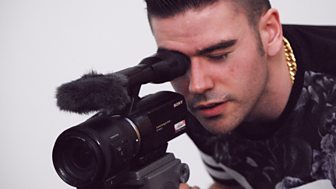
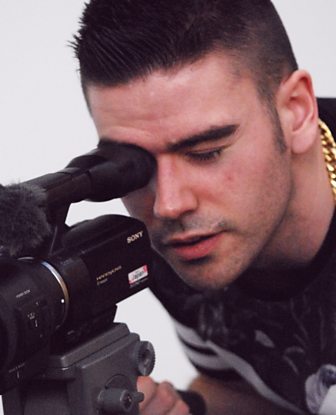
What equipment did you use to shoot the film?
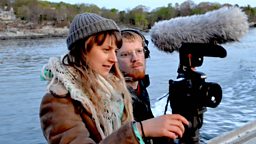
To shoot this film we used a Sony NEX-VG30 HD Camcorder, mobile phone camera, NTG2 Rode Microphone, TASCAM DR-40 sound recorder and Neewer CN-160 LED video lighting.
Tell us about post production.
I edited the film myself using Final Cut Pro X, in which I graded the video and mixed the sound to the best quality I could from the footage and recordings of the interviews. In colour grading, at times this was used primarily to enhance the colour of the visuals or give a more balanced/realistic tone, counteracting the more yellowish lighting of the recording studio we filmed in. For some shots, however, grading and subtle effects were used to deliberately enhance a mood or create an edgier style to the visuals. We were also given permission by Colt 45 to use one of their most popular tracks “OK” from their debut album “The Tide is Turning”, for use at the end credits to the film.
Who/what inspires you?
As a musician/composer, I am inspired by a lot of classical and film music, as well as popular music. I think my natural talents and rhythm in music helps me find a natural rhythm and creativity in editing films. As a film lover also, I have most likely naturally picked up influences and inspiration from various directors, films and TV programmes. In this music web series, I was inspired by various music documentaries, music videos and styles of editing that I have seen in a lot of BBC Three programmes in particular. I also tried to get across the more personal approach of someone the audience can follow and possibly relate to throughout the web series, with a regular presenter and interviewer in myself.
What are your plans for the future?
I am currently continuing to develop our production company NADT & Unconventional Media, as well as helping to mentor new students on a new 12-week free filmmaking course. In the future, I am hoping to perform more classical piano repertoire around the UK and gain more work in composing music for films, TV and media. I am also planning to write music for a new opera / music drama based on Dante’s epic poem Inferno from The Divine Comedy, in which I will be looking for funding from various sources to try and produce a contemporary production of the opera.
Music is my main career focus, but I do enjoy making films and have a few ideas for the future, such as a fictional, short/feature film within a more supernatural/horror/thriller genre (which I have written a screenplay for). I may also continue to make local films, music documentaries and would like to direct and edit a music video in the near future.
What is the most important thing you have learned so far?
During my recent experience in making films and learning the necessary skills, I think the most important thing I have learned is to challenge and push myself through roles and situations that are out of my comfort zone. In trying out all major roles in filmmaking, whether it be producing, directing, editing, acting, presenting, interviewing, camera work or sound recording, for example, I was able to realise my strengths and weaknesses, as well as understand from a director's point of view what may be necessary to do in each role to get across a certain point or vision.
Find Sean online
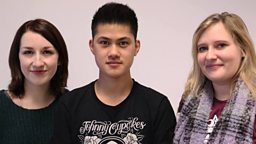
![]() (L-R) Solveig, Jannis & Emma
(L-R) Solveig, Jannis & Emma
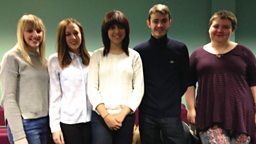

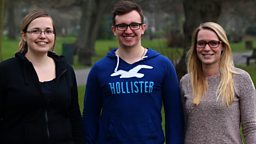 (L-R) Solveig, Jannis & Emma