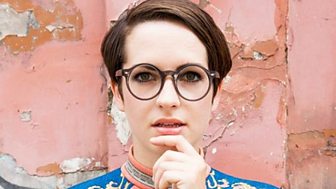
Profile: Joanna Poulton
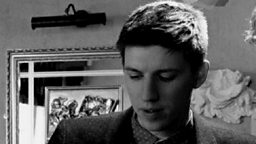
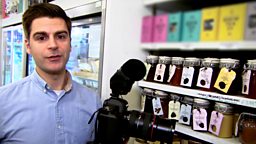
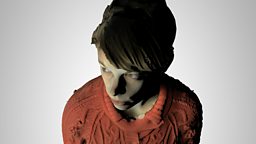
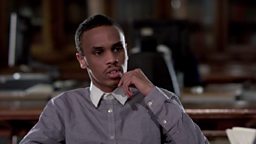
Joanna focused on the impact of her mum's cochlear implant in her film Switch On.
Why did you pick this subject for Fresh?
I felt the media's portrayal of a cochlear implant "switch on" were far from the reality I observed during my Mum's journey. Coincidentally, my Mum decided to go ahead with the cochlear implant procedure around the same time as the viral video of the young woman "hearing for the first time" began circulating and I was always intrigued as to how the idea of it being a miracle cure would play out during these tense months for her.
Relatable and informative content is what I’ll always aim to achieve.
She had a lot of friends who had been through the surgery and had positive experiences and some who hadn't had great experiences at all. I think, despite her knowledge of the potentially negative outcome, she remained positive even during the six weeks she was "switched off" - this was when she wasn't able to hear anything at all as they had to destroy the natural hearing she had in her one good ear to implant the electrical mechanism.
I found whenever I mentioned the operation to my friends, many who only based their opinion on the viral videos, they would be thrilled for me, making remarks like "She's going to hear your voice for the first time!" Admittedly, it even got my hopes up a little but I tried to remain grounded as I knew it would never be that straightforward. Overall, I really wanted to show the other side of the cochlear implant story, the side that is full of pain and the need to remain committed, focused and positive because you make that decision and you can't go back.
Science and technology is wonderful but it is not always pain free and it certainly isn't a miracle cure.
What motivated you to make this film?
I studied Scriptwriting at Bournemouth University but I found myself directing/producing short films outside of my course and I wanted to try my hand at putting together a short documentary. I also worked as a Communication Support Worker for deaf students in schools and colleges alongside my job as a Studio Assistant at Red Bee Media and running for various other TV shows.
So this documentary really combined two of my biggest loves: deaf culture and making films. Once I had the idea, I was so hyper about the prospect I had got a camera man, editor, music composer, sound man (all sourced through collaborative projects at Uni) and contributors on board as well as dates and locations set within an hour.
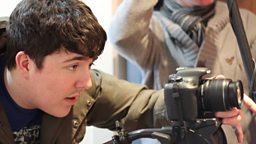
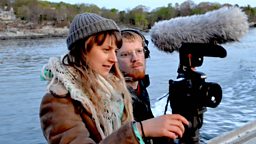
When it came to the shoot the three of us just mucked in where we could which I absolutely loved. Roles were pretty fluid between directing/producing and shooting. It took just under £100, two days of filming and one really awful homemade lasagne (made by me) and a few days in the library editing and that was it.
I know the shots aren't the most experimental or interesting and some may postulate that there should have been music running throughout to draw out the emotional moments but I was keen to make it as accessible as possible for deaf viewers and those with cochlear implants already. This is why whenever someone is talking I wanted the focus to be on their face for as long as possible (to enable lip reading) and the decision to restrict the music makes it easier to hear the single source sound as opposed to layers of music on top.
For my first producing experience I have been overwhelmed with the response of my friends and family and I'm really pleased with how it came out.
What equipment did you use to shoot the film?
Luke Tedder, another University contact used his own Canon 550D with Tamron 18-50mm 2.8 lens to shoot the footage and a Zoom H4n recorder for the sound. We also had a second Canon camera.
Tell us about post-production.
I was really fortunate to be surrounded by incredible friends with wonderful talents. One friend composed the intro and outro music for me and a contact from University (Murad Ali) did the edit in Final Cut Pro while I sat in with him. He also proved to be an absolute hero by helping with the producing and sourcing the equipment.
Who/what inspires you?
As clichéd as it may be, my family constantly inspire me. I find myself having mini-eruptions of inspiration daily but no-one will ever be as awe-inspiring as David Attenborough for me. Real human/natural stories are at the heart of everything I hope to do. Relatable and informative content is what I’ll always aim to achieve.
What are your plans for the future?
I hope to keep producing my own short films whilst working my way up in Television. I’ve recently just joined BBC’s See Hear as a Reseacher and have been having an absolute blast. I wouldn’t mind getting behind the camera or in-front of it more either! Hopefully one day I’ll be working on nature/travel programmes- documenting wonderful lives around this wonderful world.
What is the most important thing you have learned so far?
Always get more cutaways!
Watch: Switch On on BBC Fresh
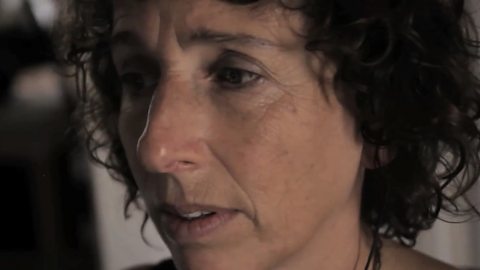
Switch On by Joanna Poulton
Filmmaker Joanna explores the reality of her mum's cochlear implant switch-on.
Find Joanna online
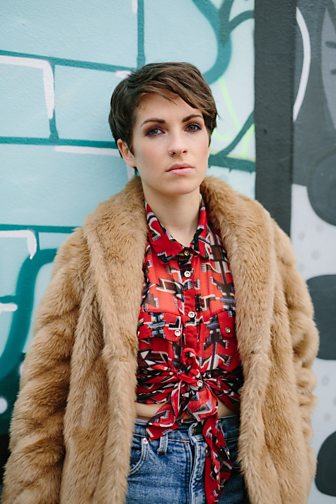
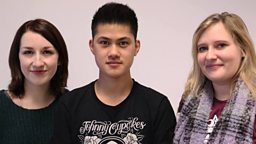
![]() (L-R) Solveig, Jannis & Emma
(L-R) Solveig, Jannis & Emma
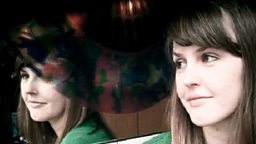
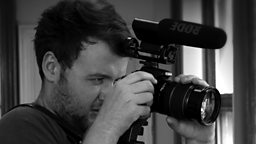
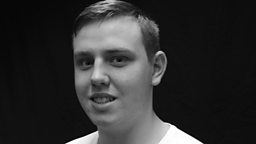
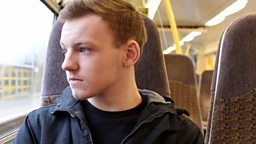
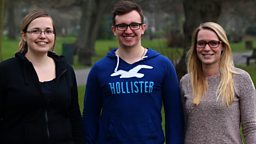 (L-R) Solveig, Jannis & Emma