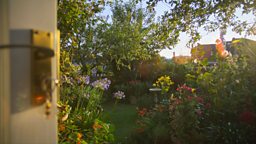
What we learned about wildlife gardening… or how to make your garden a wildlife haven
By Series Producer, Bill Markham
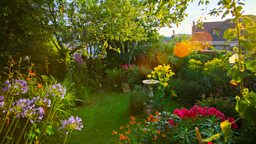
When making Secret Garden, our main objective was to reveal the hidden lives of the animals living in our five featured gardens across Britain. But along the way, we picked up a few top tips that will help us all to encourage wildlife into our gardens.
No Pesticides!
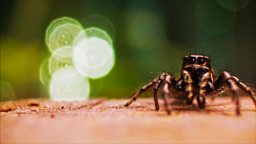
It’s pretty obvious that dousing your garden in chemicals designed to kill wildlife will have a negative effect - not just on the target species but on other animals that rely on them. None of our featured gardens use pesticides - and if you want facts to back up why, here you go.
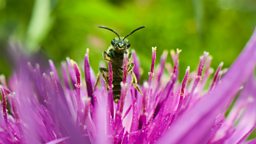
According to the Bugs Matter citizen science survey, insect numbers in Britain are thought to have fallen by around 58% between 2004 and 2021 and the decline is accelerating. The most recent survey reveals that the number of flying insects splatted on vehicle number plates across the UK has fallen by a staggering 19% per year since 2021.
And as insects are disappearing, so are the animals that depend on them - such as amphibians, reptiles, bats, birds… It’s no coincidence that we’ve lost 73 million birds, including 30 million house sparrows, in my lifetime (around 50 years), according to the British Trust for Ornithology (BTO).
So if you do lose a few flowers and vegetables to bugs and slugs… well it’s not that big a deal in the grand scheme of things, is it?
Ponds, Ponds, Ponds
It became a bit of a joke in the edit. “You’re going to tell us that we all need to dig a pond in our gardens again, aren’t you?!”
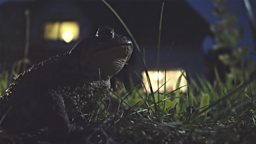
Well, yes we do! The WWT reports that Britain has lost 50% of its farm ponds in the last 50 years, and given how many species need water to a greater or lesser degree, that has had a terrible impact on our nation’s wildlife. Amphibian numbers have declined, insects too. Birds, mammals and reptiles need to drink (and eat insects and amphibians)...
So the first thing to do if you’re thinking about attracting wildlife to your garden is build a pond. If there are small children around, make it safe by putting up a fence, covering it with a solid grid, or ensuring that it’s small. Even a repurposed washing up bowl can work. You will be amazed at how quickly frogs, newts, dragonflies and countless other animals move in.
Every one of our gardens in the series has water in some form, but see our Lake District, Bristol and Western Highlands episodes for more about the newts, frogs and toads that they attract.
Mini Meadows
If you thought losing half of our ponds was bad, spare a thought for our meadows. English Heritage states that we’ve lost 97% of our native grasslands in the last 80 years - and with them, countless animals and plants.
We can do our bit to redress the balance - by overcoming our national obsession with manicured lawns (and don’t get me started on astro-turf). The easiest thing to do is simply leave a section of your garden unmown, even for a month or two (think No Mow May). This allows spring plants to set seed and gives wildflowers a chance to bloom - feeding pollinators like bees, butterflies and hoverflies.
Leave the grass uncut for longer, and you will provide food and lodging for more species - not just insects but amphibians, reptiles, birds and small mammals. And save time and energy mowing and sprinkling.
To create a fully functioning wildflower meadow takes a bit more time and effort, and involves removing the more virulent lawn grass species, planting new seeds, and carefully thinking about when to cut. But the rewards are worthwhile. According to Plantlife:
- Over 700 species of wild plants grow in grassy meadows, pastures and field
- A typical meadow can be home to 570 flowers per square metre
- The flowers in a three-acre meadow can produce nearly 6kg of nectar sugar per day, enough to feed over half a million bees
- Flower-rich grasslands and meadows can store 500% more carbon than fields of pure grass
- The plants in a typical meadow can support nearly 1,400 species of bugs, beetles, flies, spiders, grasshoppers, crickets, butterflies and moths
Even if you do want to keep your lawn short, then we also need to address our relationship with “weeds” - many of which are just native plants in the wrong place. Plants like dandelions can provide vital fuel for species like bumblebees, and their seeds can feed hungry finches and sparrows.
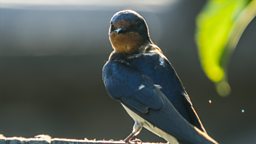
We reveal how Chris and Liz manage their mini meadow in our Lake District episode - and you can see how their swallows benefit from the smorgasbord of insects it provides.
Compost Heaps
Once you have mown the lawn or swept up under the trees, don’t burn those cuttings and fallen leaves and fill the air with smoke, or send them off with the council bins! Make a compost heap - it has multiple benefits:
- Providing a home for vast numbers of invertebrates (and therefore food for loads of other animals)
- Becoming an ideal place for hedgehogs, slow worms and amphibians to shelter or even hibernate
- Making good compost for your flowerbeds and the vegetable patch… without artificial fertilizers or peat, and all for free!
- Locking away carbon. If every gardener produced 190kg of compost every year, they would save the amount of carbon produced by heating half a million homes.
See how surprising animals benefit in our Wye Valley and Lake District episodes.
Hedges
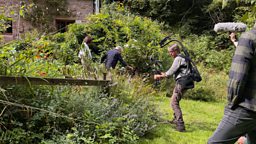
Fences and walls between gardens are expensive and largely lifeless. How about a wildlife hedge? Hedges provide nesting habitat for birds, food for all sorts of wildlife and have attractive leaves, flowers and berries to admire all year round. They also clean the air, capture carbon and reduce flooding.
You can even choose species like hawthorn and blackthorn that are dog-proof… although you might need a temporary chicken-wire fence for a couple of years while they grow big enough to provide an effective barrier.
Hedgehog Highways
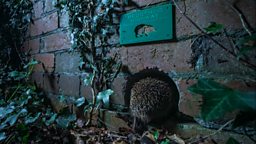
Mind you, you don’t want a 100% effective barrier. While birds can fly over walls and fences, bugs and amphibians can crawl through the tightest gaps, foxes and squirrels jump over them… hedgehogs get stuck.
Hedgehogs need to cover at least a mile every night to find enough food (mainly beetles, slugs and snails) and even further to find a mate. Clearly they need to traverse a lot of average-sized gardens to manage that.
That’s where Hedgehog Highways come in. All it takes is a hole the size of a CD case (remember them? They were around 13cm x 13cm) and you’ve opened up a whole new world to Britain’s favourite mammal.
According to a BTO survey (commissioned by the People’s Trust for Endangered Species and the British Hedgehog Preservation Society), hedgehog numbers have fallen from over 30 million to under a million in the last 50 years (not just because of solid garden walls and fences but also because of changes in agricultural practice and the proliferation of roads)... so they can do with a bit of help.
See more in our Bristol episode.
Trees
“The best time to plant a tree was 20 years ago. The second best time is now.”
Planting a single tree can bring huge benefits. Thousands of flowers, fruits, berries or nuts for a huge number of insects and birds… and shade for the rest of the garden, bringing the ambient temperature down by several degrees. Plus each tree planted could absorb a tonne of carbon from the atmosphere in its lifetime, and filter dust and other pollutants from the air, according to the National Trust.
The Woodland Trust recommends the top ten species to plant - all native, as these support the most wildlife. Choose the right one for the size and location of your garden, and the species you want to attract.
1. Crab Apple
2. Rowan / Mountain Ash
3. Silver Birch
4. Wild Cherry
5. Blackthorn
6. Holly
7. English Oak
8. Hawthorn
9. Hazel
10. Field Maple
Britain has among the lowest tree cover in Europe - around 13% compared to 32% in France and 33% in Germany. As a nation we are trying to reach 19% by 2050, so if you have room to plant one or more, then you can do your bit to help.
See our Wye Valley episode to discover which species benefit most from garden trees.
Bird Feeders
This is an increasingly contentious topic. Seeds and nuts can provide a lifeline for many species, particularly in winter. They also bring great joy to people who watch the comings and goings of various birds.
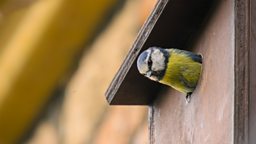
However, feeding can also alter natural balances. It tends to favour a small number of adaptable, dominant species, artificially boosting their populations. This can have knock-on effects: for instance, more birds feeding on caterpillars may put additional pressure on already declining insect populations, and bolder hole-nesting birds like blue tits can outcompete shyer species for limited nesting sites.
There are also growing concerns about disease transmission. Poorly maintained feeders can become hotspots for infection, spreading illnesses among birds that would not normally congregate so closely. Various finches in particular have almost disappeared from our gardens as a result. For this reason, the RSPB now advises that feeders should be cleaned thoroughly every time they are refilled, and generally discourages the use of open bird tables.
Used thoughtfully, bird feeding can still be beneficial—but it’s important to do it with care, awareness, and good hygiene. And it’s worth thinking about how you can plant for a more natural food supply instead.
See our Bristol episode and the Blue tit article for more.
Summary
If we can bend our gardening skills towards producing more animals and plants, Britain’s army of gardeners can change the fortunes of our struggling wildlife.
The good news is that if you create a pond, a mini meadow, a compost heap, a hedge, a tree, a hedgehog highway… you’ll not only have a wealth of life to admire and enjoy, but you’ll have enough natural predators (amphibians, slow worms, birds, bats, hoverflies, spiders, earwigs and hedgehogs) to keep aphid, caterpillar and slug populations in check. There really is no need for chemicals!
If you do something for wildlife in your garden, then please inspire others with a picture online #SecretGarden.
Useful Links
- The Wildlife Gardening Forum - Information and advice for wildlife gardeners
- National Trust - How to make a wildlife garden
- The Wildlife Trust - Wildlife Gardening tips - including gardening in small spaces
- RHS - The State of Gardening
- The RSPB - How to build a wildlife pond
- Plantlife - The Good Meadow Guide
- Hedgehog Street - Creating a Hedgehog Highway
- The RSPB - Creating a wildlife hedge
- Woodland Trust - Tree planting advice
- BTO - The decline in British birds