Your data, your choice? How you fit protect your menstrual period tracker information

Wia dis foto come from, Andrii Lemelyalenko/Getty Images
- Author, Jacqui Wakefield
- Role, BBC Global Disinformation Unit
- Published
- Read am in 7 mins
PMS symptoms, sexual activity, birth control and mood.
Dis na some of di veri personal details wey period tracking apps dey collect about dia users.
Sabi pipo tok say dis informate no dey as private as pipo wey dey use am go hope.
Flo Health wey be di biggest cycle tracking app for world don recently settle one class action lawsuit for di US say dem allegedly violate di privacy of millions of users sake of say dem share and sell user data.
Flo Health say dem happy wit di resolution and say di settlement bin include no admission of wrongdoing.
Privacy International wey be UK not for profit find out say for 2021 61% of 36 cycle tracking apps wey dem test, automatically carry data give third parties. Even though some of di apps don improve, worry still dey over users privacy.
One 2024 study find out say dis apps dey used for over 112 kontris. For world wey about 40% of pipo dey live under restrictive abortion laws , sabi pipo dey fear how law enforcements fit get and use di data.
One researcher, Lauren Hendry Parsons from di Mozilla Foundation tok say, "menstrual data fit dey weaponised. Wetin be like tool for self-care fit turn tool for surveillance, shame or harm."
For 2019, for Trump first administration, di health department for di US state of Missouri, bin dey monitor di menstrual cycles of patients so dem go fit investigate failed abortions.
Class action case
For di health category for App Store, Flo Health dey for di top five of many kontris like India, Kenya and Brazil.
Na two men found Flo App. Dem say e "dey help women worldwide to understand di meaning of dia bodi signals".
Since 2019, dem don face accuse say dem dey share user data.
For 31 July, Flo settle class action suit wey accuse di company of sharing di personal data of millions of American women wit Meta and oda third parties.
For statement, Flo Health say di "di lack of evidence to support dis allegations don dey clear for Court".
Di company add say, "we don always maintain say di claims no get merit".
Earlier dis month, jury rule say Meta dey violate California user privacy laws. Meta say dem disagree wella wit di outcome and tok say di "plaintiff claims against Meta dey false". Dem tok say dem value privacy and "no want health or oda sensitive informate".
But class actions also dey against Flo Health for Canada and ongoing consumer rights case for Portugal,
Wellness or health data?
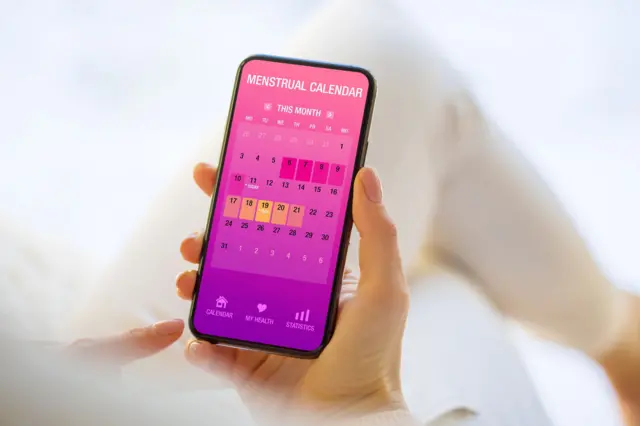
Period tracking apps don dey evriwia for pipo wey dey menstruate, as e dey help dem to track and manage dia periods. E fit give insights to possible health issues like sickness wey link wit irregular cycles like polycystic ovary syndrome.

Wia dis foto come from, Boonchai Wedmakawand/Getty Images
One 2024 study find out say low income kontris wey get higher need for family planning wey no dey met and get higher total fertility rate dey linked wit more downloads for dis apps dem.
While apps dey for local market, di study show say most kontris dey use di same apps.
Dr Stefanie Felsberger wey be privacy researcher from di Minderoo Centre for Technology and Democracy for Cambridge University tok say, "for some kontris, dis informate dey classed as general wellness instead of health data".
E mean say dia fit be no special protections or regulations for di user data.
Wia dis foto come from, Grinvalds/Getty Images
Investigations by Privacy International UK and Chupadados, wey be research organisation for Latin America, don show say some of dis apps still dey share user data and some get security weaknesses wey fit cause data leaks.
Dr Felsberger tell di BBC say menstrual tracking apps normally get privacy policies wey dey hard for users to understand and dem usually no dey give users full information about dia data practices.
She say, "dem often rely on 'all or notin' consent options for users".
Users need to gree to all data collection terms if dem wan use di app at all.
'Cycle-based' advertising?
Reproductive health data no just dey sensitive, na high value informate.
Dr Felsberger say "apps dey hold information on pregnancy wey be informate wey advertisers dey find well-well".
One 2013 Financial Times investigation bin find out say informate say pesin belle don reach im third trimester dey increase dia data value times 200.
Dr Felsberger say, "Dis apps also get information about pesin mental health status.
"To dey vulnerable or for state of emotional vulnerability na somtin wey advertisers unfortunately dey find."
Dr Felsberger call dis kain tin, "cycle-based advertising" wey be how companies fit dey able to use informate to take target consumers based on dia menstrual cycles.
Lauren Hendry Parsons tell di BBC say e fit pass advertisers sef.
She say "e fit help insurers, govments or employers wey fit impact access to jobs, healthcare or public services".
Although examples of employment or health discrimination as a result of menstrual tracking neva dey, experts are concerned it could become a possibility.
Law enforcement risks
E get trend towards liberalisation of abortion laws globally, however, di US, and few odas don roll back abortion rights. Many pipo around di world dey live under restricted abortion laws.
Ms Hendry Parson say dis na wia data collection by period tracking apps fit dey useful.
She say, "for wia abortion rights dey under threat, menstrual data fit dey used to guess pregnancies, miscarriages or abortions, and den give am to law enforcements. Unless confam protections around dat data dey, normally companies dey give in".
From June dis year, UK police guidance suggest make officers reason to check women phones for di apps afta unexpected pregnancy loss as long as e dey legal.
Cases wia oda data bin dey collected to prosecute potential abortion cases dey. For 2022, for di US, Facebook chat logs don dey used to prosecute one abortion seeker. For 2020, for di UK, police get one woman Google search history for investigation on di use of abortion pills afta di legal limit.
Dr Felsberger and Ms Hendry Parsons don also point out di risks in case of data breach, wey fit expose users highly sensitive data if e no dey encrypted.
So wetin you fit do?
Sabi pipo know say period apps fit dey useful for tracking data about pipo mentrual health.
If users wan protect dia data, some questions dey wey dem fit ask to navigate privacy protections for menstrual cycle tracking apps.
Dis privacy terms dey clear and understandable?
Dr Felsberger tell di BBC say if app get clear privacy terms and try to explain am give dia users, e mean say di developers value privacy.
Dis app dey encrypt your data?
If di app encrypt di user informate, e dey change am to new secret code, dis go kon make am harder for pipo wey no get right to decode di data.
E dey ask questions wey no connect wit period tracking, like your address?
Dr Felsberger and Parsons, point to questions wey some apps dey ask wey no dey relevant to period tracking as somtin wey users suppose torchlight wen dem dey cycle tracking. Identifiable details, like users address no dey necessary to understand menstrual cycle.
How dem dey make money - dem dey sell your data give advertisers?
Dr Felsberger tell di BBC say di business model for many of dis apps depend on selling or sharing user data and insights give third parties.
Dr Felsberger say "di way to go no be to stop to dey use your tracker. Di way to go na to ask more from your tracker and ask di question of wetin you personally go like share".