How Russia dey quietly try to win over di world beyond di West
Wia dis foto come from, Contributor/Getty Images
- Author, Juliana Gragnani
- Role, Editor, BBC Global Disinformation Unit
- Author, Maria Korenyuk
- Role, BBC Global Disinformation Unit
- Published
- Read am in 11 mins
Javier Gallardo like to start im morning watching classical music programme on television - na part of im routine, and e dey put am in di right mood for di day bifor e go to work driving trucks.
But one Monday for June, e bin turn on di television and, instead of music, di screen dey filled wit images of a warzone. One news report dey play on channel wey e never heard of.
"Wetin dey happun?" e ask imsef. Afta 20 minutes, e turn am off. "I no fit connect wit am."
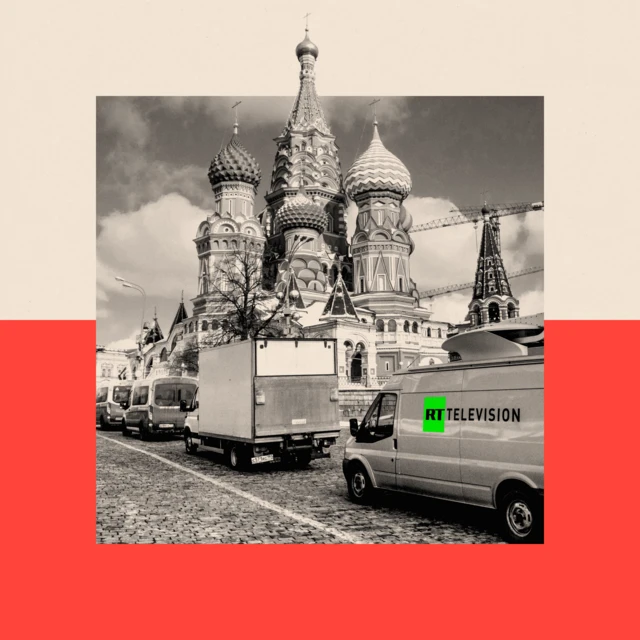
Green logo for bottom corner of di screen show di letters: "RT". Searching online, e find say dis na Russian channel.
Javier dey live for Chile. E dey alleged say Telecanal, wey be privately-owned TV channel for di kontri, don hand over im signal to Russian state-backed news broadcaster RT, formerly Russia Today.
Wia dis foto come from, Photo by YURI KADOBNOV/AFP via Getty Images
Wia dis foto come from, MLADEN ANTONOV/AFP via Getty/BBC
Di kontri broadcasting regulator don open sanction proceedings against Telecanal for possible violation of broadcasting law, and dey wait for di channel response.
Telecanal no respond to request for comment.
Viewers, meanwhile, remain confused.
"I bin dey upset," Javier tok. "Dem no announce anytin beforehand, and I no fit understand why."
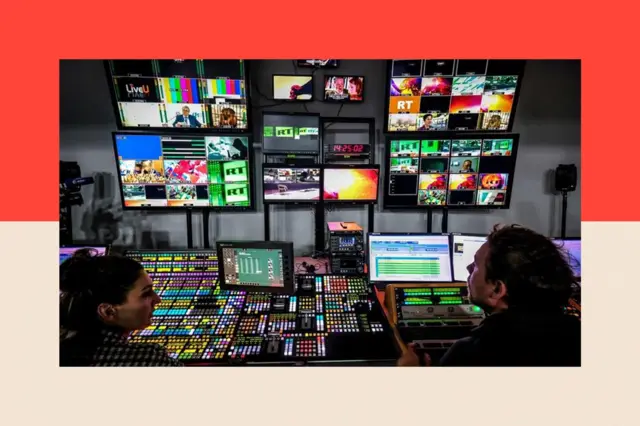
Over di last three years, di Russian state-backed news channel RT and news agency and radio Sputnik, don expand dia international presence; between dem, dem now dey broadcast across Africa, di Balkans, di Middle East, Southeast Asia and Latin America.
Dis all coincide wit bans for Western kontris.
Wia dis foto come from, Kirill KUDRYAVTSEV / AFP
Following Russia full-scale invasion of Ukraine for February 2022, sweeping restrictions dey imposed to RT broadcasting for di US, UK, Canada and across di European Union – as well as by major tech companies – for spreading disinformation about di war.
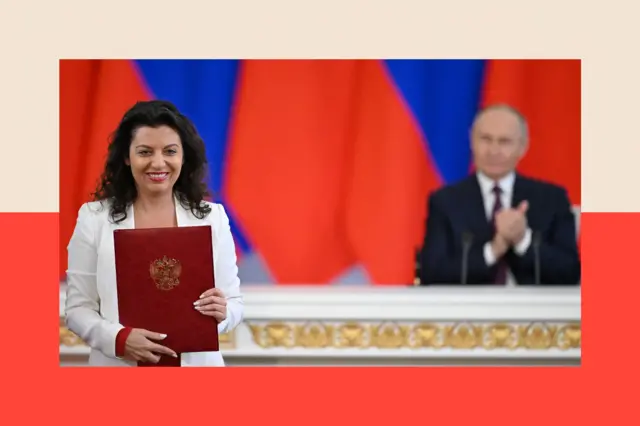
Dis bin go high for 2024, wen US authorities bin sanction RT executives - including im editor-in-chief Margarita Simonyan for alleged attempts to harm "public trust" for di kontri institutions.
E come for middle of accusations of di Kremlin wey dey orchestrate widespread campaign to interfere in di presidential election. RT deny involvement.
Yet elsewhere, RT influence don only expand.
Since 2023, RT don open bureau for Algeria, launch TV service for Serbian, and start free training programmes wey aim at journalists from Africa, Southeast Asia, India, and China.
Di broadcaster don also announce say e go open office in India. Sputnik, meanwhile, bin launch newsroom for Ethiopia for February.
All of di coincide wit weakening from di Western media for some regions. Sake of budget cuts and changing foreign policy priorities, certain outlets don downsize and even withdraw from parts of di world.
Two years ago, di BBC close im Arabic radio service in favour of im digital-based service - wey dey provide audio, video and text-based news content. E don since launch emergency radio services for Gaza and Sudan. Dat same year Russia Sputnik bin start 24-hour service for Lebanon, occupy di airwave wey BBC Arabic bin vacate.
Meanwhile, di US govment-funded international broadcasting service Voice of America don cut most of im staff.
"Russia na like water: wia cracks dey for di cement, e dey trickle in," Dr Kathryn Stoner, political scientist for Stanford University, tok.
Di question wey remain, however, na, wetin be Russia endgame? And wetin dis apparent creeping of media power for dose regions mean for age wit a shifting world order?
'No be all crazy conspiracy theorists'
"[Kontris outside di West na] veri fertile territory intellectually, culturally, and ideologically [sake of dia] residual anti-American, anti-Western, and anti-imperial sentiments," Stephen Hutchings tok - im be professor of Russian Studies for di University of Manchester.
Russian propaganda, e argue, also dey spread smartly: im content dey calibrated to cater to specific audiences, even if e mean to adopt different ideological stances for different regions.
Wia dis foto come from, KIRILL KUDRYAVTSEV/AFP via Getty Images
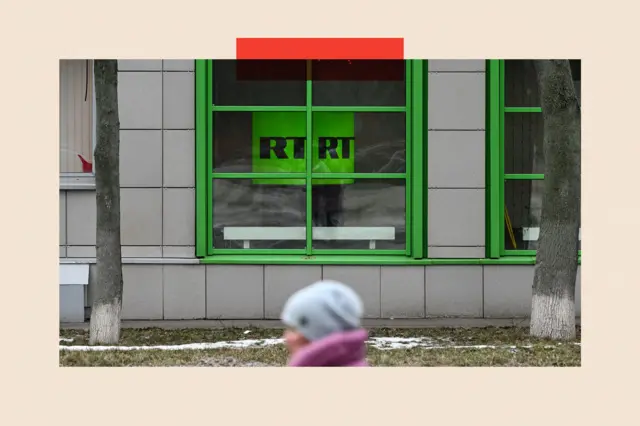
Take di perception of RT. For di West, e often dey seen as "Russian state actor and propagator of disinformation," e tok. For oda parts of di world, however, e often dey regarded as legitimate broadcaster wit im own editorial line.
Dis dey make viewers to believe am - "no be all crazy conspiracy theorists dey naively fall for disinformation".
Dis na how Dr Rhys Crilley put am. E be lecturer in international relations for di University of Glasgow, and believe say RT coverage of di world fit appeal to broad audiences - "pipo wey dey rightly concerned about global injustices, or events wey dem perceive say di West dey involved in perpetrating".
'Veri careful manipulation'
On di surface, RT international be like standard news website and e dey report some stories accurately. "[Na] veri careful manipulation", Dr Precious Chatterje-Doody tok - she be senior lecturer in Politics and International Studies for The Open University. She bin write a book on RT wit Prof Hutchings, Dr Crilley and odas.
She and oda colleagues bin analyse RT international news bulletins wey cover a period of two years between May 2017 and May 2019, and conclude say RT curation of stories (wetin e choose to cover and wetin e leave out) fit certain narratives.
For example, di researchers find say social unrest dey prioritised as a topic to report on wen e happun for European kontris, whereas one of di frequent preferences for di coverage of Russian domestic affairs na di kontri military exercises.
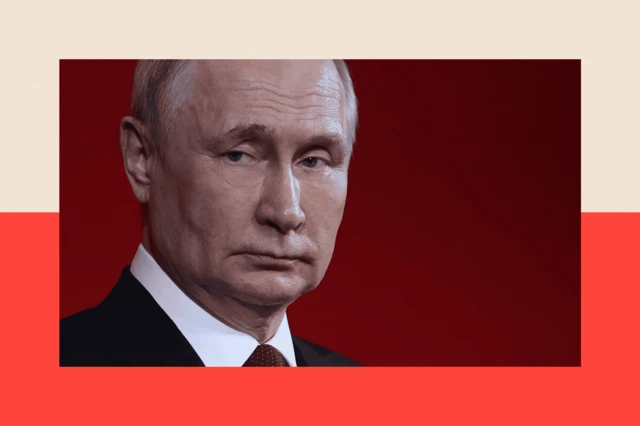
Di broadcaster also make explicit false claims, like portray Russia annexation of Crimea for 2014 as peaceful "reunification", deny clear evidence of military involvement. E be systematically deny evidence of Russian war crimes wey dey committed for Ukraine since di full-scale invasion for 2022.
Wia dis foto come from, SERGEI BOBYLYOV /AFP via Getty
RT don also publish stories wit commentators wey dey blame Ukraine for shooting down Malaysia airlines flight MH17 for July 2014. (Di UN aviation body don conclude say di Russian Federation dey responsible for di downing and international investigators find say missile system wey dey transported from Russia to occupied eastern Ukraine don dey used by Russians and pro-Russian separatists to hit am.)
Wetin dey striking na di view of audiences on dis coverage.
Between 2018 and 2022, di researchers bin interview 109 pipo wey bin watch RT for di UK bifor media regulator Ofcom revoke im broadcasting licence. Dr Chatterje-Doody say she observe say many tok say dem dey feel say "RT dey biased" but say dem get di tools to discern wetin dey truthful from wetin no dey true.
However, based on her research, she warn say: "[Di audience] no necessarily dey aware of di precise ways wey RT dey biased and wia di dishonesty of di coverage dey come from."
Why Russia renew focus on Africa
Russian state media biggest recent expansion dey for Africa, according to Prof Hutchings.
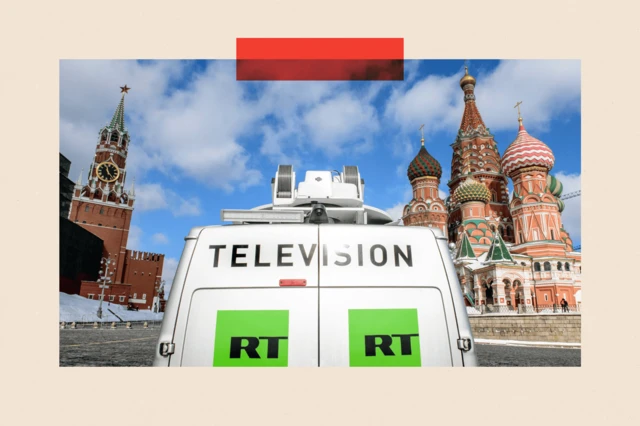
For February, Russian authorities bin travel to Ethiopia for di launch of one new editorial centre for Sputnik. Sputnik already dey broadcast across parts of Africa for English and French languages, and don expand to include Amharic, one of di official languages of Ethiopia.
RT don also reorient im French-language channel to target French-speaking African nations, along wit redirecting funding from projects for London, Paris, Berlin and di US to di continent, according to RT editor-in-chief.
Wia dis foto come from, MLADEN ANTONOV /AFP VIA GETTY IMAGES
Last year, Russian state media bin claim say RT get seven bureaux for Africa, although dis no fit dey independently verified.
Many Africans already get friendly views towards Russia - anti-colonialist and anti-imperialist sentiment, togeda wit di legacy of Soviet support for liberation movements during di Cold War make am relatively common.
Wit dis new focus, Russia hope to undermine Western influence, build support for im actions, and build economic ties, argue Dr Crilley.
Inside RT course for African reporters
Wen RT launch dia first online course wey dem aim at African reporters and bloggers, di BBC Global Disinformation Unit bin join am to find out more.
"We be one of di best in fact-checking and never dey caught distributing false information," RT general director Alexey Nikolov tell students.
One lesson bin examine how to debunk misinformation. Di instructor tok say chemical weapons attack for di Syrian city of Douma for 2018, by di Russian-backed Assad regime, na "canonical example of fake news", ignoring findings of a two-year investigation by di Organisation for di Prohibition of Chemical Weapons confam say di attacks dey carried out by di Syrian Air Force.
Di host also dismiss di mass killing of Ukrainian civilians by Russian forces for di Ukrainian town of Bucha for 2022, call am "di most well-known fake". (Dis, despite overwhelming UN and independent evidence wey blame Russian forces.)
Speaking to dose wey bin take part afta di course, many no dey disturbed by dis - some of dem tell di BBC dey believe RT na standard international TV broadcaster, wey dey comparable to CNN or Al Jazeera.
Wen we interview one Ethiopian journalist for December 2024, di journalist bin echo RT claims by calling di Bucha killings "staged event". Di journalist social media profile picture na photograph of Putin.
One journalist from Sierra Leone bin acknowledge di risks of misinformation and disinformation, but di journalist add say evri media institution get im own "news value and style".
From di Middle East to Latin America
For di Middle East, Russian state media like RT Arabic and Sputnik Arabic dey tailor dia coverage of di Israel-Gaza war to appeal to pro-Palestinian audiences, according to Prof Hutchings.
Elsewhere, including for Latin America, RT also dey attempt to expand dia reach.
RT dey available for free for 10 kontris for di region according to dia website. Argentina, Mexico, and Venezuela dey among dem. Dem also dey on cable television for 10 oda kontris.
Offering international news in Spanish in free-to-air television na "part of dia success," Dr Armando Chaguaceda, Cuban-Mexican historian and political scientist, wey be researcher from di think tank, Government and Political Analysis (bin focus on civic education and di promotion of democratic culture), tok.
Wia dis foto come from, REUTERS/DADO RUVIC
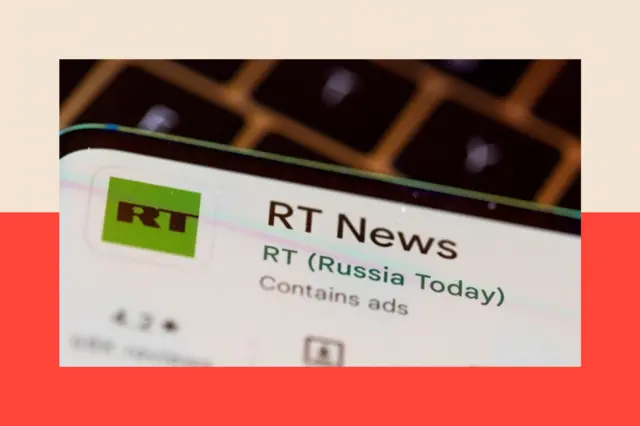
And although RT don dey banned on YouTube around di world, since March 2022, dem still dey creep dia way onto di platform in some places.
For Argentina, 52-year old carpenter Aníbal Baigorria, record TV reports from RT and upload dem to im YouTube channel, along wit im reactions.
"Here for Buenos Aires, di news dey focus too much on di city," e argue. "RT give am overview of all di places for Latin America and, of course, global news."
"Evrione get di right to decide wetin dem believe say be true."
Understanding di impact
Ultimately, e dey difficult to quantify di impact of Russian state-backed media around di world.
RT claim to dey available to more dan 900 million TV viewers for more dan 100 kontris and says dia content bin attract 23 billion online views for 2024.
But, as Dr Rasmus Kleis Nielsen, professor of communication for di University of Copenhagen point out: "Availability no be meaningful measure of audience size."
E also argue say di 900 million viewers figure dey "extremely unlikely" and describes online views as vague and easily manipulated metric.
Dr Chatterje-Doody agree say to dey assess di direct impact dey hard. But she point to one case wey fit suggest some success for Russia. For Africa Sahel region, wey extend from Senegal eastward to Sudan, Russia don play significant military roles "wit relatively little public resistance", even considering di challenging landscape. (E don establish imsef by supporting military juntas for kontris such as Mali, Burkina Faso, and Niger.)
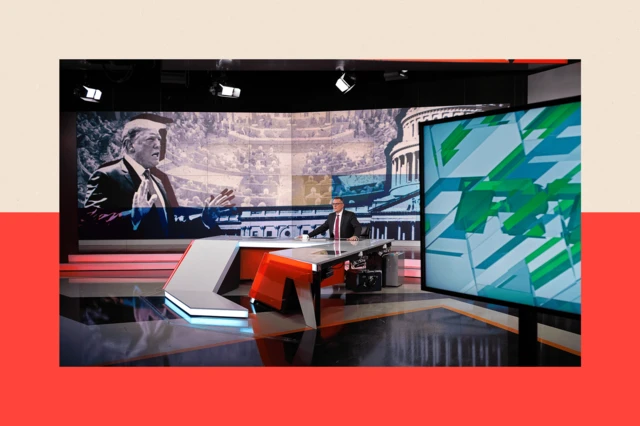
Anoda narrative wey don stick don be Russia justification for di invasion of Ukraine. Russia bin frame Nato eastward expansion and Ukraine growing ties wit di alliance as key reason for im full-scale invasion, and claim say e pose "security threat" and say Russia bin act in "self-defence". Though widely debunked in di West, dis false claim bin linger across di Global South.
Wia dis foto come from, Misha Friedman/Getty Images
"Di idea… na pretty well-received narrative, especially for academic circles, for Mexico and for Latin America in general," Dr Chaguaceda tok about di Nato expansion argument
Some Global South leaders don dey hesitant in condemning di Russian war against Ukraine. For di first UN General Assembly vote afta di full-scale invasion for 2022, overwhelming majority of kontris bin condemn di war, but 52 kontris either vote against di resolutions, formerly register dia abstention, or refrain from voting. Among dem, Bolivia, Mali, Nicaragua, South Africa and Uganda.
Wia dis foto come from, RONALDO SCHEMIDT/AFP VIA GETTY IMAGES
Dr Crilley get im own take on wetin Russia endgame be.
"[Di Kremlin dey try] to reduce Russia relative isolation on di world stage by portraying Russia as fellow victim of 'Western' aggression and defender of di Global South."
E warn say di risk "be say RT and oda Russian disinformation efforts prey on and exploit di weaknesses of liberal democracy, while normalising Russia aggression for Ukraine, and presenting Russia not as authoritarian state but as some sort of benign power for global politics."
Asked for a response to di allegations raised inside dis article, RT tok: "We dey indeed expand around di world."
Dem no gree comment further on specific points.
Sputnik no respond to requests for comment.
Ultimately, Prof Hutchings believe say make we all dey concerned about Russian state activities - particularly in di context of di future of di global world order and democracy.
E believe say di West dey take im "eye off di ball" by cutting media funding and "leaving di field open to di likes of Russia Today".
"E get a lot to play for and a lot to lose… And Russia dey win ground - but di battle no dey lost."