Mali shut down schools and universities as jihadist blockade worsen fuel crisis
Wia dis foto come from, AFP via Getty Images
- Author, Basillioh Rukanga
- Published
- Read am in 5 mins
Mali don suspend schools and universities nationwide sake of one serious fuel scarcity wey blockade on fuel imports wey Islamist insurgents impose cause.
Education Minister Amadou Sy Savane announce on state television say make all education institutions dey closed until 9 November. E say di blockade don affect di movement of staff and students.
E add say authorities dey "do evritin possible" to end di crisis so dat classes go resume on 10 November.
For weeks, fuel scarcity don hit Mali, especially for di capital Bamako, afta militants from one al-Qaeda affiliate block di road as dem dey attack tankers on major highways.
Wia dis foto come from, X
Wetin cause di fuel crisis
Mali dey landlocked, so all di fuel supplies wey dey enta di kontri na by road from neighbouring states like Senegal and Ivory Coast.
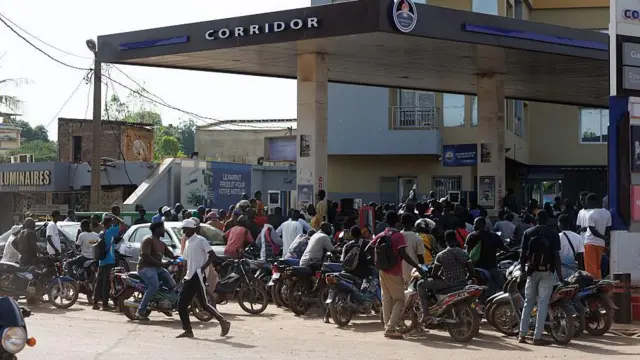
In recent week, long queues form around petrol stations for Bamako, and di city wey usually dey get crowded streets don dey quiet.
Di military govment earlier dis month bin assure residents say di mata na temporary issue, but di crisis don continue.
Lat week, US Embassy for Bamako bin announce say dia non-essential diplomatic staff plus dia families go comot Mali for di middle of worsening fuel shortage and growing security concerns.
E say di fuel disruptions don affect di supply of electricity and e get di "potential to affect di overall security situation in unpredictable ways".
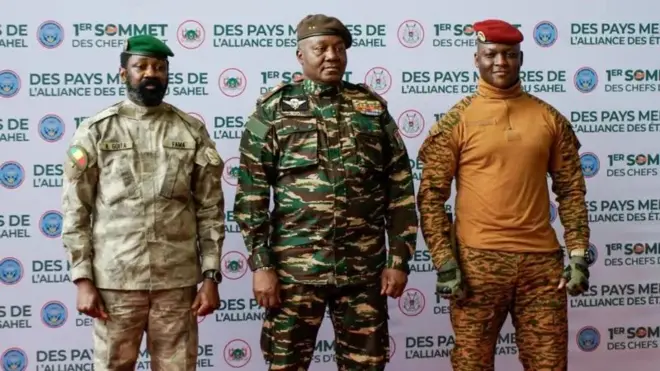
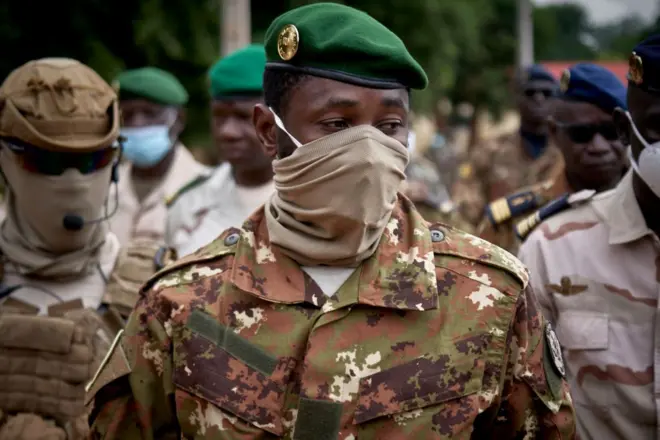
Currently, na one military junta wey Gen Assimi Goïta lead dey rule for Mali. E seize power for inside coup for 2021.
Di junta bin get popular support wen dem take ova power, dem promise to deal wit di long-running security crisis wey one separatist rebellion for di north, di ethnic Tuaregs cause, wey Islamist militants later hijack.
Dem deploy UN peacekeeping mission and French for 2013 to deal wit di escalating insurgency.
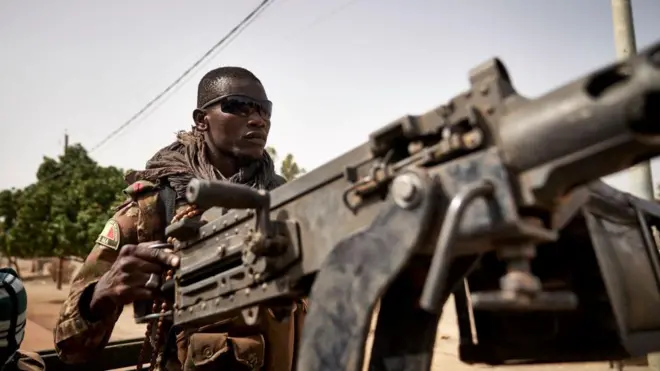
Both of dem don comot since di junta take ova, and di military govment hire Russian mercenaries to tackle di insecurity.
Howeva, di jihadist insurgency don continue and large parts of di north and east of di kontri still dey outside govment control.
Wen di blockade start?
E be like say di blockade bin start wit di kidnapping and subsequent release of six Senegalese lorry drivers along di Dakar-Bamako corridor for early September.
Dis no be new tactic by al-Qaeda Sahel affiliate - Jama'at Nusrat al-Islam wal-Muslimin (JNIM) - but di scale don dey increase well-well.
Dem compulsorily block two key locations: di Kayes region - wey serve as di gateway for all food supplies wey dey enta from Senegal by road and train, and Nioro-du-Sahel - wey sidon on di main route wey link Mali to Mauritania.
Reports say Islamist fighters don put up checkpoints to restrict di flow of goods and extort "taxes" from traders.
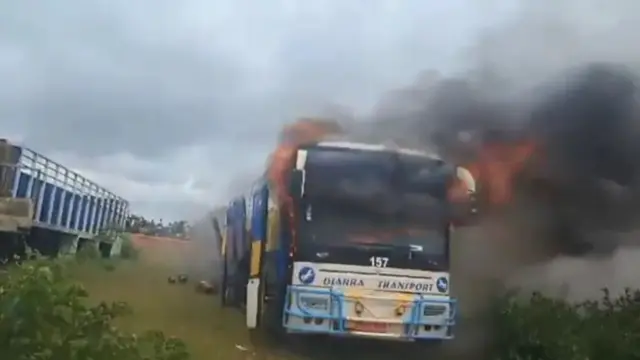
Di reports say dem burn fuel tankers, lorries and buses, dem kidnap foreign drivers and attack convoys wey dey carry fuel imports from Senegal and Mauritania.
Dem don bring villages to economic standstill, as dem empty markets, pause transport and disrupt public services.
Suspected JNIM militants bin also ambush fuel lorries from Ivory Coast for Bougouni, for Mali southern Sikasso region.
"Economic asphyxiation" na di militants goal, Mamadou Bodian of Senegal Cheikh Anta Diop University tell BBC.
Fotos wey recently go viral on social media highlight di rowdy lines for petrol stations for Bamako, wit pipo wey dey wait for hours.
Those wey dey for di queue bin follow BBC tok on condition of anonymity.
"I get to push my motorcycle from Djikoroni to Badalabougou, about 9km (nearly six miles) away, without fuel," one rider tok.
"I get all di difficulties for di for world [ova di past two days]."
Anoda pesin tell BBC say: "We dey ask fuel traders to make tins easier for di population. Dem no get any reason to increase fuel prices becos e no dey help di kontri."
Community radio station Nostalgie bin report say fuel prices for parts of Bamako don rise by more dan 200%.
Wetin di army tok?
Di Malian army initially downplay di blockade, as tok-tok pesin Col Souleymane Dembélé dismiss reports of siege as "information war wey foreign media dey loud".
Even wit images wey dey spread on social media wey show besieged vehicles on di Dakar-Bamako corridor, e insist say di footages dey out of context. ''Di video of di bus wey dem set on fire na from April and e no get any connection wit di so-called blockade."
According to di army spokesman, "no systemic interruption of transport dey observed" for western Mali and di real challenge wey dey face pipo for di Kayes region na "di rainy season, no be di actions of terrorist groups".
Col Dembélé also tok say di JNIM increased activity na "di last try of enemy wey dey retreat". Na one phrase wey Malian officials dey often use since di junta seize power five years ago.
Last week, di army say dem conduct airstrike on one JNIM camp for Mousafa, for Kayes, and dem kill "several dozen militants" and destroy one site wey dem allegedly dey use for logistics and planning.