Sources and origins
If a designer understands where Basic material that goods are made from such as crops, metals, wood and animal products such as wool and leather. come from, they can understand the environmental concerns associated with that material.
In the context of timber and man-made boards, the original source is a tree. Trees are grown all over the world - some are for timber produce, and others could be for paper. They can be categorised as hardwood and softwood.
Hardwoods
Hardwood comes from Trees that lose their leaves during autumn to prepare for winter. trees that lose their leaves in the autumn. Hardwood trees grow quite slowly, often taking more than 100 years to be big enough to be cut down for timber. The majority of hardwoods grow in tropical regions, such as Amazonian climates, while others grow in lower temperate climates such as Europe. Their growth rings are much smaller than softwood, making the grain closer. Examples include:
- oak
- birch
- teak
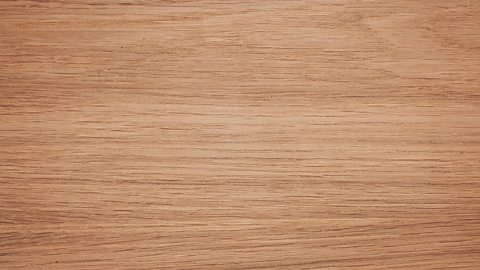
Oak
Oak is an attractive light colour, with an open grain, and is strong and tough. This makes it hard to work, shape and cut. Due to the natural oils in the timber, it corrodes steel screws and fixings. It is often used in high-end furniture, construction, boats and for veneers to cheaper woods.
Birch
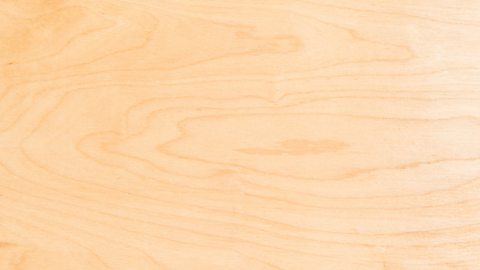
Birch has an even grain and, unlike oak, it is easy to cut and shape. It is, however, liable to rot and insect attacks. It is used for the veneers to make plywood and for surface veneers, eg in furniture.
Teak
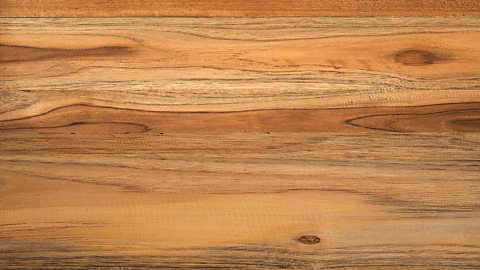
Teak is a durable, oily wood with a tight grain. It is moisture resistant, making it a good choice for outdoor use, eg outdoor furniture. It is also used in boat decks, chopping boards and flooring.
Softwoods
Softwood comes from Trees that do not lose their leaves during autumn to prepare for winter. trees with needle-like leaves that normally stay on during the winter - larch is an exception. Softwoods grow naturally in colder regions, eg Alpine climates. Softwood trees grow quickly, so their growth rings are wider, making the grain wider. This means that softwood trees can be used for timber after about 30 years, making them cheaper than hardwood. They are often grown commercially, and examples include:
- pine
- cedar
- spruce
Pine
Pine is pale coloured with an aesthetically pleasing grain. It is lightweight, easy to form and is often used for construction and decking.
Cedar
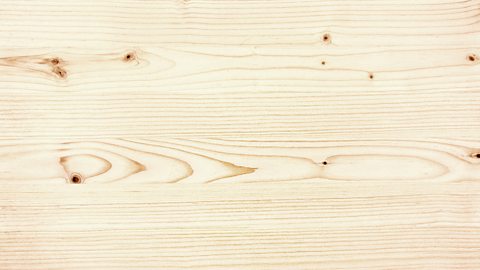
Cedar is lightweight, with a pale colour and even texture. It is more expensive than pine but not as strong, and it is often used for making wooden pencils.
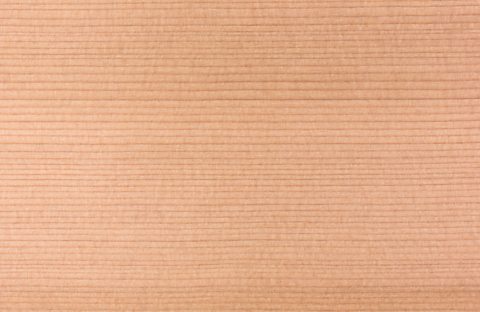
Spruce
Spruce is light in colour with a regular, thin grain. It is lightweight and is often used for soundboard for musical instruments and for indoor furniture.
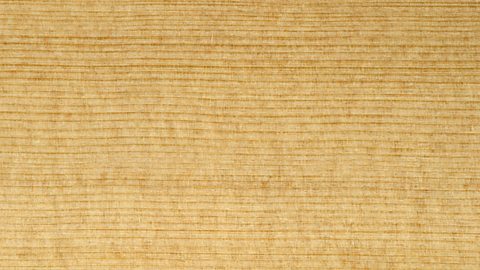
As trees are To cut down., it is important to plant new ones so that the timber source is A sustainable resource can be replaced once used. As a tree is chopped down, many more can be planted to ensure the use of trees can be sustained. .
Once a tree has been chopped down, the branches are removed, so only the trunk of the tree remains. The full length of a tree might be too long to transport and work with, so the tree may be cut to a more manageable length. The tree trunks are transported to a sawmill, where the trees are cut to usable A piece of timber that is longer and wider than it is thick.. This process is known as Creating marketable planks of timber from the trunk of a tree..
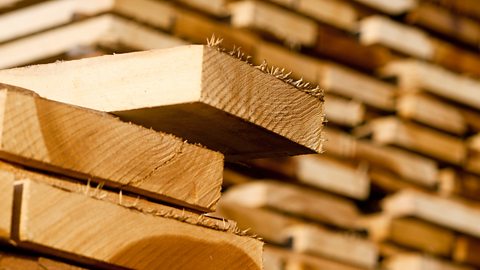
At this point the timber can be sold. If the timber has been freshly cut, it is sold as Timber that has been freshly cut and has a high moisture content. due to the high water content. If the timber has been dried out before being sold, then it has been ‘seasoned’. Some seasoning can be done by leaving it to ‘air season’, and sometimes the timber is Oven dried to remove moisture..
Manufactured boards such as Thin layers of wood glued at right angles to each other., A type of engineered wood made of compressed wood and fibre particles held together with glue. and Small particles of wood and wood fibre that are glued together to make a dense board. are made by gluing small chips or fibres together using an adhesive.
