Surface treatments and finishes
Timber can be treated in a variety of different ways and for a variety of different reasons:
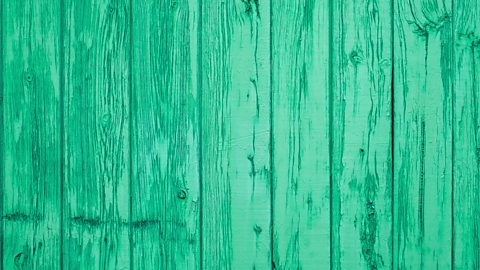
Image caption, Painted timber
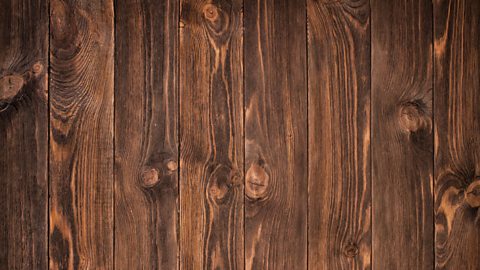
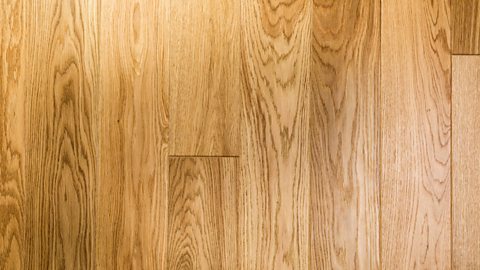
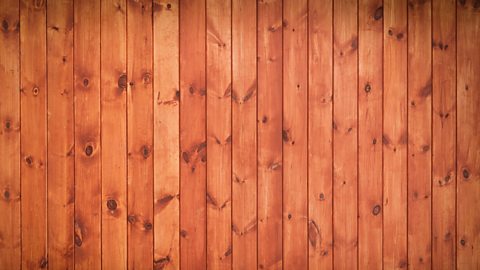
1 of 4
Paint
Paint gives colour to the timber and can protect the timber if it is going to go outside. Some paint provides a solid colour - this is called opaque. If the paint is translucent, you can see the grain is visible through the colour. Paints are Shiny., Dull or flat. or Between gloss and matt..
Some paint can be applied with a paintbrush or roller; some needs an undercoat so that the timber is sealed before the paint is applied. Most paints will have instructions on the tin to suggest the best method of application, and these will also give details of drying times and necessary health and safety precautions.
Wood stain
Wood stain is applied so that the appearance of the timber is enhanced. It is possible to buy many different wood stains that are designed to look like a different wood type. Often, pine is stained to look like a darker Timber that has come from a tree that drops leaves in the autumn to prepare for winter. - hardwood is expensive, so staining a piece of cheaper timber is often a good alternative. Wood stain gives some protection to the timber, but an additional coat of varnish after staining is often a good idea.
Oil and wax
Oil and wax soak into timber and can be used to enhance the natural appearance of the timber. Often kitchen worktops and chopping boards are oiled or waxed so that the surface repels water.
Varnish
Varnish can be applied to timber so that a shiny appearance is achieved. Varnish is usually applied in many layers so that the thickness of the varnish is more Hardwearing.. Varnish can be glossy or matt depending on the type used.
Pressure-treated timber
A method whereby a protective chemical is forced into the fibres of timber. (sometimes called ‘tanalised’) timber is placed inside a pressurised treatment vessel so that the protective fluid can penetrate the timber. This process extends the lifespan of wood, protecting it against rot. This is beneficial as it is often bought for outdoor use, generally by the building trade or gardeners. Decking and garden fences are often made from pressure-treated timber, and there is no need to paint, stain, varnish or coat the timber in any other way.
Dip-treated timber offers limited protection as the preservatives only penetrate the surface of the wood. In pressure-treated timber, preservatives are forced deep into the wood, which offers better protection.
