Characteristics and properties
Most polymers are formed by processing Mixture of hydrocarbons, mainly alkanes, formed over millions of years from the remains of ancient dead marine organisms.. Rubber is a plastic that is found naturally.
Also called ‘thermoplastic’. Can be reformed when heated, and therefore can often be recycled. polymers can be heated and formed repeatedly. They are Flexible and easy to bend. and The ability to process into something else.. Also called ‘thermoset’. Can only be formed once as it cannot be reheated and therefore cannot be recycled. polymers are If something is brittle it is easily broken. and can only be formed once. They are hard to recycle. They are good Material that is a poor conductor of electricity or heat. and are resistant to heat and chemicals.
There are a wide range of thermoforming polymers with varying properties and uses. Commonly used thermoforming polymers in schools include:
- A type of plastic; also a water-soluble, polymer-based paint.
- A tough, rigid plastic material with high impact strength.
- polyvinyl chloride (PVC)
- styrofoam
Other commonly used thermoforming polymers in industry include:
- rigid polystyrene
- expanded polystyrene
- acrylonitrile-butadiene-styrene (ABS)
- polyethylene terephthalate (PET)
- polyurethane
Polyvinyl chloride (PVC)
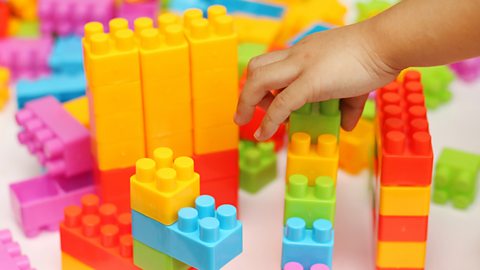
PVC is available in sheet form or granules, making it suitable for Warmed sheet plastic is sucked against a mould to give it shape. or Molten material forced into a mould.. It is chemical and water-resistant and is commonly used in blister packs, plastic toys and window frames.
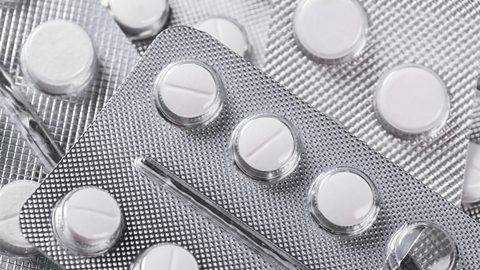
Image caption, Blister packs

1 of 3
Polystyrene
Styrofoam is an A material is pushed through a die so that the cross section remains the same for the length of the material.A man-made material made from processed crude oil. available in A way to describe that a material is normally much thinner than it is long or wide. form. It is lightweight and an excellent insulator. It is commonly used to make models as it can be quickly and easily shaped using hand tools, eg a A tool used for shaping polystyrene foam. ; however, the fumes given off are unpleasant and it should be cut in a well-ventilated space.
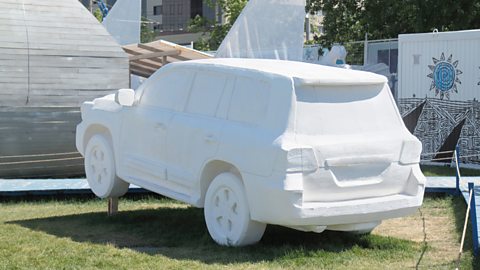
Polystyrene is available in two forms:
- Rigid - A commonly used rigid form of polystyrene is high impact polystyrene (HIPS) available in A small compact substance. and sheet form. The sheet form of HIPS is used for vacuum forming. HIPS is safe to use with food products and lightweight, and as such is used commercially to package food products, eg yoghurts.
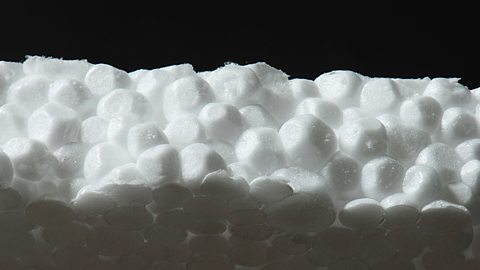
- Expanded - Available in sheets and balls, it is a good insulator, impact resistant and lightweight. Expanded polystyrene balls can be used to fill stuffed toys, while sheets are used in packaging to protecting electrical products.
Acrylonitrile butadiene styrene (ABS)
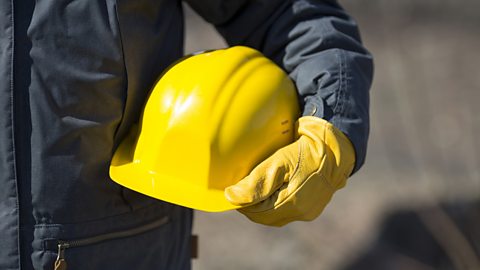
ABS is commonly available in sheet and granule form. It is used in car bumpers and hard hats as it is lightweight, durable, hard and is able to absorb impact.
Polyethylene terephthalate (PET)
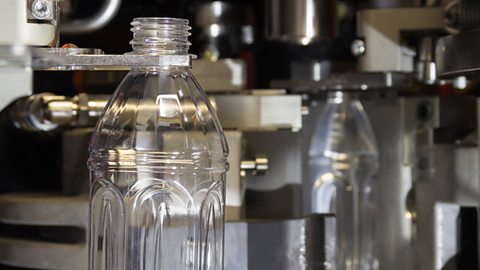
PET is available in granule and sheet form and is lightweight, strong and safe to use with food products. It is used in the food packaging and is a common replacement for glass bottles as it is transparent but will not shatter if dropped.
Polyurethane
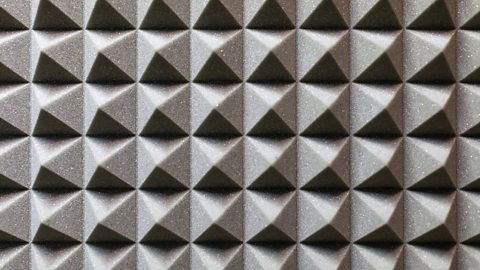
Polyurethane is available in liquid, granule, A material formed by trapping air within a solid. and sheet form. It is flexible, hardwearing and able to hold weight without ripping, and is used to make carrier bags or, when in foam form, for soundproofing.